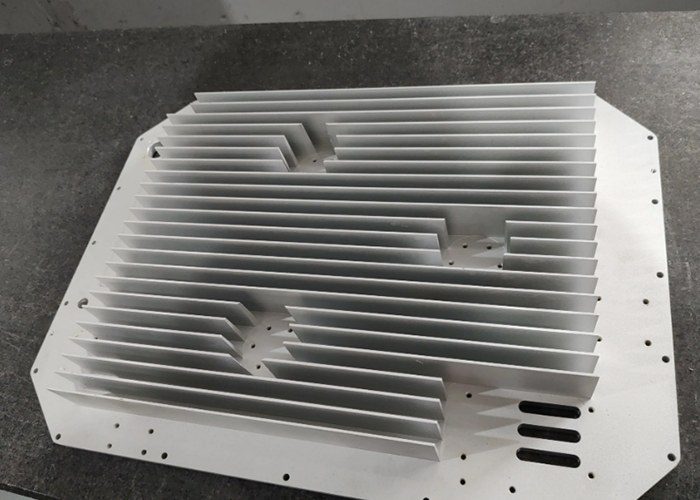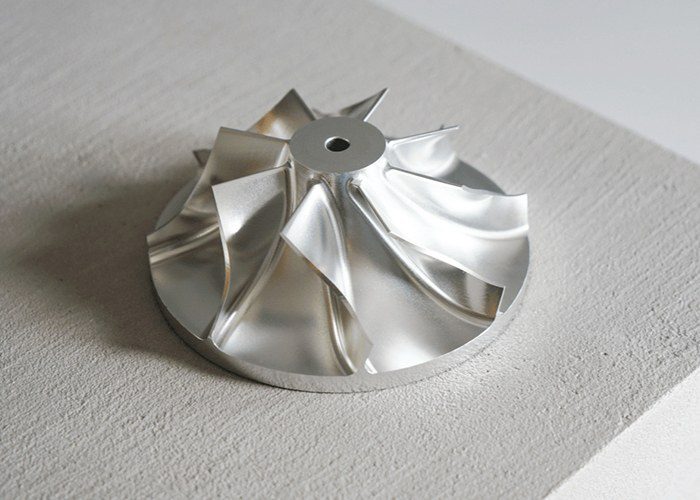
In today’s hyper-competitive market, the ability to innovate quickly and efficiently is paramount. Whether developing a new consumer gadget, a medical device, or a complex automotive component, bringing an idea to life traditionally involved a lengthy, costly, and often inflexible process. This is where Rapid Prototyping (RP) emerges as a transformative methodology, serving as a cornerstone of modern product development and design. At its core, rapid prototyping is a group of technologies used to fabricate a scale model of a physical part or assembly directly from three-dimensional Computer-Aided Design (CAD) data. Its fundamental purpose is to materialize ideas with unprecedented speed, allowing for iterative testing, refinement, and validation before committing to expensive full-scale production.
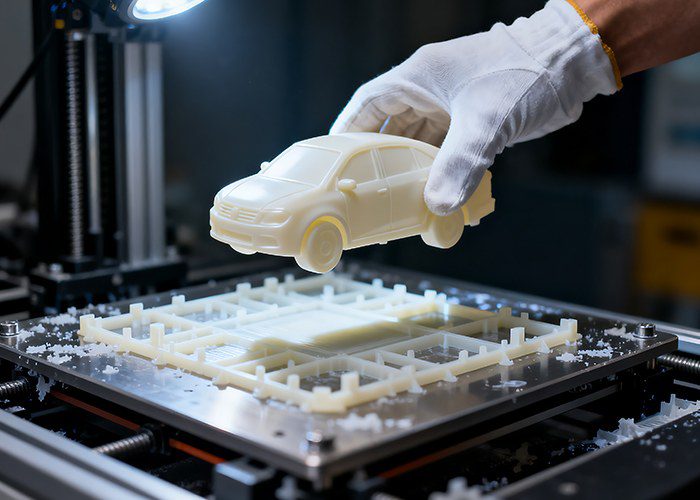
The essence of rapid prototyping lies in its additive nature, distinguishing it from conventional subtractive (like milling) or formative (like molding) manufacturing methods. Most RP techniques are synonymous with Additive Manufacturing (AM) or 3D printing. The process begins with a digital 3D model, which is virtually sliced into ultra-thin cross-sections. The prototyping machine then builds the object layer by layer, fusing materials—whether plastic, resin, metal, or composite—according to the digital blueprint. This layer-by-layer approach grants unparalleled freedom in geometry, enabling the creation of complex internal structures, organic shapes, and integrated components that would be impossible or prohibitively expensive to make with traditional techniques.
Several key technologies fall under the rapid prototyping umbrella. Stereolithography (SLA), one of the oldest methods, uses a laser to cure liquid photopolymer resin into solid layers, producing parts with excellent surface finish and detail. Fused Deposition Modeling (FDM), a widely accessible technology, extrudes thermoplastic filament through a heated nozzle, building durable parts ideal for functional testing. Selective Laser Sintering (SLS) uses a laser to fuse fine powders of nylon or other materials, creating robust components without the need for support structures. For metal parts, technologies like Direct Metal Laser Sintering (DMLS) and Selective Laser Melting (SLM) have revolutionized prototyping and low-volume production in aerospace, medical, and automotive industries.
The advantages of integrating rapid prototyping into the development cycle are profound and multi-faceted:
- Speed and Agility: As the name implies, speed is its greatest asset. Prototypes that once took weeks or months through machining or tooling can now be produced in hours or days. This dramatically compresses design cycles, enabling teams to explore more concepts and iterate designs rapidly based on real-world feedback.
- Cost-Effectiveness: By eliminating the need for expensive tooling, molds, and fixtures in the early stages, RP significantly reduces upfront costs. Design flaws are identified and corrected using inexpensive prototypes, preventing catastrophic and costly errors later in production.
- Enhanced Communication and Validation: A physical model is far more tangible and communicative than a CAD drawing on a screen. It allows designers, engineers, marketers, and clients to interact with a concept, assess its ergonomics, form, and fit, and make informed decisions. Functional prototypes can be used for performance testing, user trials, and regulatory evaluations.
- Design Freedom and Complexity: RP allows designers to break free from manufacturing constraints imposed by traditional methods. This fosters innovation, enabling lightweight lattice structures, consolidated assemblies, and optimized geometries that improve performance and efficiency.
The applications of rapid prototyping extend far beyond simple visual aids. They span concept modeling, functional testing (e.g., stress, thermal, or fluid flow analysis), fit and assembly checks, and even the creation of pre-production tools like jigs, fixtures, and investment casting patterns. Furthermore, it is the foundational technology for rapid tooling and on-demand manufacturing, blurring the lines between prototyping and full-scale production.
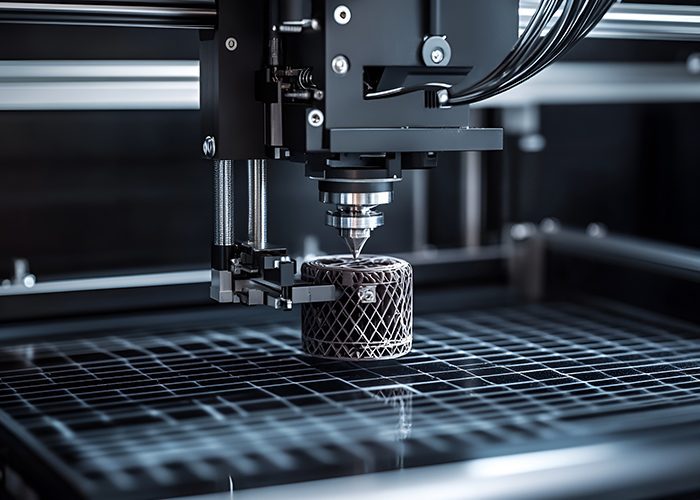
In conclusion, rapid prototyping is not merely a set of advanced manufacturing machines; it is a strategic enabler of innovation. It represents a paradigm shift from linear, risk-averse development to a dynamic, iterative, and user-centric process. By transforming digital ideas into physical objects with speed and precision, RP empowers companies to validate concepts, mitigate risks, and bring higher-quality products to market faster than ever before. From the designer’s desk to the factory floor, rapid prototyping continues to accelerate the journey from imagination to reality, solidifying its role as an indispensable tool in the 21st-century industrial landscape.