In the vast and intricate world of manufacturing, where ideas materialize into tangible products, two fundamental processes stand as pillars of creation: milling and turning. The components produced through these methods, collectively known as milling and turning parts, form the indispensable, often unseen, backbone of virtually every modern machine, vehicle, device, and infrastructure system. They are the high-precision gears, shafts, housings, and connectors that enable motion, transfer power, and provide structural integrity. Understanding these parts and their production is to understand the very language of physical innovation.
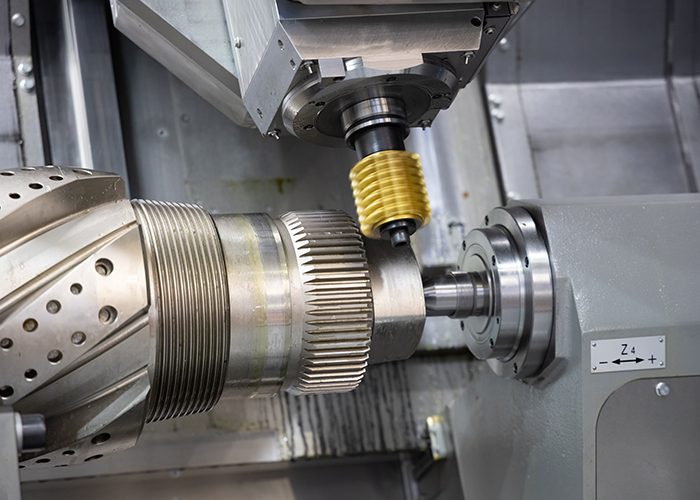
At its core, the distinction lies in the relationship between the workpiece and the cutting tool. Turning is a machining process where a workpiece, typically cylindrical, rotates at high speed while a single-point cutting tool is traversed along its axis. This operation is performed primarily on lathes. The essence of turning is the creation of rotational, symmetrical parts. Imagine a raw metal rod; through turning, it can be transformed into a precise shaft with various diameters, grooves (like keyways), threaded sections, and tapered ends. Common turning parts include engine pistons, bolts, nuts, spindles, and rollers. The process excels at achieving exceptional surface finish and concentricity, which is critical for parts that must rotate smoothly and efficiently within assemblies.
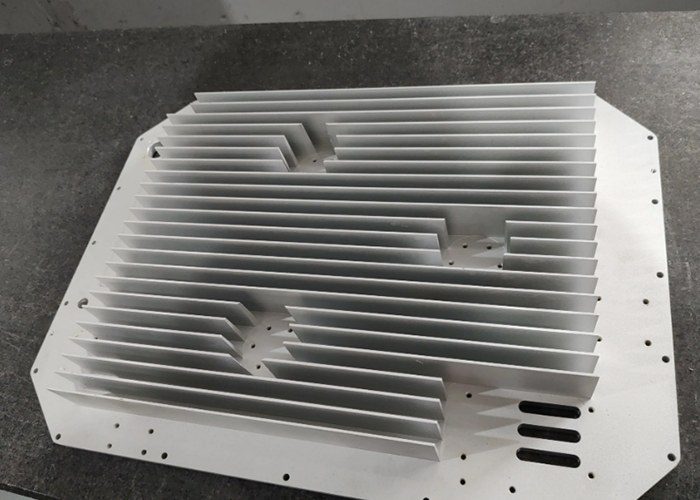
Milling is a machining process where a stationary workpiece is shaped by a rotating multi-point cutting tool. The mill (or milling machine) moves the workpiece against the spinning cutter, which can have various shapes and sizes, to remove material. This allows for the creation of an immense variety of complex, non-rotationally symmetric features. Milling can produce flat surfaces, slots, pockets, intricate contours, and detailed engravings. If turning is the art of the cylinder, milling is the science of the prism and the polygon. Enclosures for electronics, engine blocks, mold tools, gearbox casings, and prosthetic joint components are all quintessential milling parts. The versatility of milling, especially with Computer Numerical Control (CNC), allows for the production of highly complex geometries from almost any solid material.
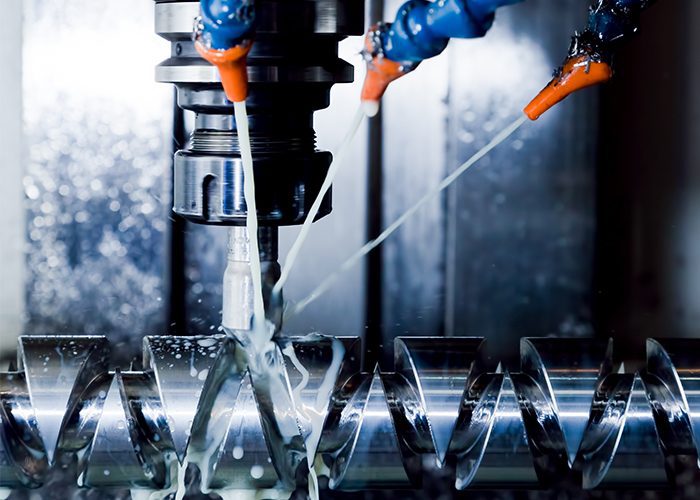
The true revolution in producing these parts arrived with the integration of Computer Numerical Control (CNC). CNC technology has transformed milling and turning from manual, skill-dependent crafts into digital, repeatable, and ultra-precise sciences. In CNC turning (on CNC lathes) and CNC milling (on CNC machining centers), computer programs dictate every movement of the tool and workpiece. This digital leap has brought unprecedented advantages:
- Precision and Repeatability: CNC machines can consistently produce parts with tolerances measured in microns, ensuring every component in a batch is identical—a non-negotiable requirement in aerospace and medical industries.
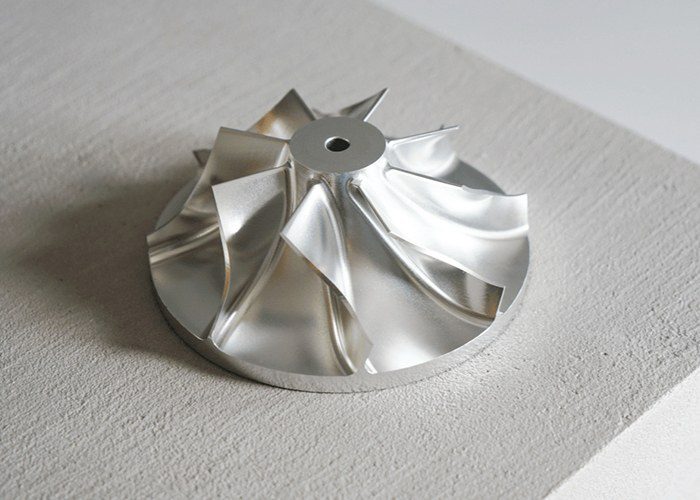
- Complexity: CNC enables the creation of shapes—such as complex curved surfaces (like impellers or turbine blades)—that would be impossible or prohibitively expensive to make manually.
- Efficiency: Once programmed, CNC machines can run unattended for hours, even days, optimizing production time and reducing labor costs.
- Flexibility: Changing a part design often requires only a change in the software code, enabling rapid prototyping and small-batch production runs to be economically viable.
The materials shaped into milling and turning parts are as diverse as their applications. They range from various grades of metals—aluminum for its light weight, stainless steel for corrosion resistance, titanium for strength-to-weight ratio, and brass for machinability—to engineering plastics like PEEK and Delrin, and even advanced composites. The choice of material is dictated by the part’s final duty: bearing high loads, resisting wear, operating in extreme temperatures, or being biocompatible.
The applications of these precision components are all-encompassing:
- Automotive & Aerospace: From engine crankshafts (turned) and cylinder heads (milled) to landing gear components and turbine discs.
- Medical Technology: Surgical instruments, implants (e.g., knee and hip joints), and MRI scanner components demand the highest precision and surface quality.
- Electronics: Heat sinks, connectors, and the sturdy enclosures that house our computers and smartphones.
- Industrial Machinery: The gears, rollers, shafts, and heavy-duty frames that power factories and production lines.
- Energy: Components for wind turbines, oil rigs, and nuclear reactors.
Looking forward, the evolution of milling and turning parts continues. The rise of multi-axis machining centers (like 5-axis mills and mill-turn centers) blurs the line between the two processes, allowing a single machine to perform complex turning and milling operations in one setup. This reduces handling errors and drastically shortens production time. Furthermore, integration with Computer-Aided Design and Manufacturing (CAD/CAM) software creates a seamless digital thread from design to finished part. Advances in cutting tool materials, such as cubic boron nitride (CBN) and diamond-coated tools, allow for machining harder materials at higher speeds. The growing trend of automation and lights-out manufacturing, where factories run with minimal human intervention, is increasingly dependent on the reliable, predictable output of CNC milling and turning processes.
In conclusion, milling and turning parts are far more than just metal shavings and finished components. They are the physical manifestation of engineering intent, the critical links in mechanical chains, and the enablers of technological progress. From the simplest fastener to the most complex aerospace component, these parts, born from the synergy of traditional machining principles and digital control, continue to shape our world with quiet, unwavering precision. As manufacturing marches toward greater intelligence and integration, the production of milling and turning parts will remain at its beating heart, continuously refined but fundamentally essential.