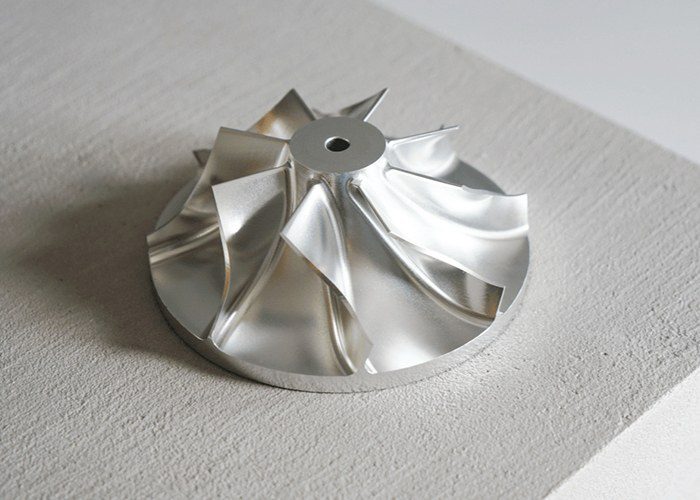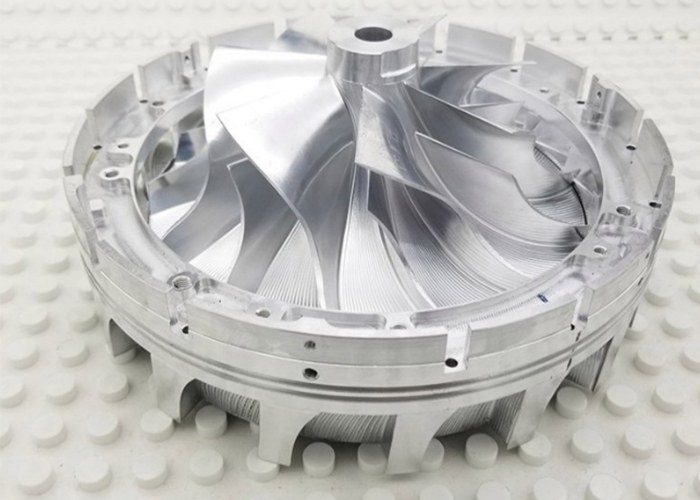
China has established itself as a global hub for precision manufacturing, and aluminium CNC machining is no exception. For engineers, product developers, and procurement specialists worldwide, sourcing machined aluminium components from Chinese suppliers offers a compelling combination of cost efficiency, technical capability, and manufacturing scale. This article explores what makes China a leading destination for aluminium CNC machining services, the materials and processes involved, and how to navigate the sourcing process effectively.
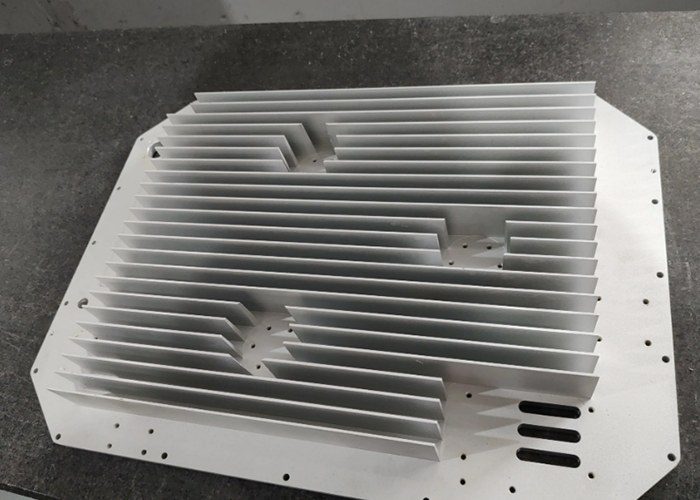
Why Aluminium is the Material of Choice for CNC Machining
Aluminium alloys have become the default material for a vast range of CNC machined parts, and for good reason. The metal offers an exceptional strength-to-weight ratio, with a density roughly one-third that of steel, making it indispensable in industries where weight reduction directly translates to performance gains. Beyond weight, aluminium’s machinability is a major advantage: it can be cut three to four times faster than steel and five to seven times faster than titanium, directly reducing machine time and, consequently, production costs.
The material’s excellent thermal and electrical conductivity also opens doors for applications requiring heat dissipation or electromagnetic shielding. For manufacturers, aluminium’s lower cutting forces and reduced tool wear mean simpler fixturing and longer tool life, further contributing to cost-effective production even when raw material prices fluctuate.
The two most commonly machined alloys are 6061-T6 and 7075-T6. 6061-T6 is the workhorse, offering an excellent balance of cost, machinability, and corrosion resistance for general-purpose parts, brackets, and housings. 7075-T6, often referred to as aircraft-grade aluminium, provides significantly higher strength but at the cost of increased tool wear and slower machining speeds—typically 15 to 25 percent more expensive to process. It is reserved for demanding structural applications in aerospace and high-performance automotive components.
The Technical Landscape of CNC Machining in China
Chinese CNC machining suppliers have invested heavily in advanced equipment to compete on a global scale. Five-axis CNC machining centers, for instance, are now widely available and allow for the precise production of complex geometries with fine features that would be impossible or require multiple setups on three-axis machines. This capability is particularly valuable for parts with contoured surfaces, deep pockets, or features on multiple faces.
Typical machining tolerances achievable by reputable Chinese factories are around ±0.02mm, suitable for the vast majority of precision mechanical components. Surface finishes can reach Ra0.6, and specialised processes like ultra-thin wall machining are available for parts requiring minimal material thickness. The infrastructure for secondary operations is also robust: anodising, electroplating, zinc plating, chrome plating, and powder coating are standard offerings, allowing for complete finished parts rather than just raw machined components.
Quality assurance systems have matured considerably. ISO 9001:2015 certification is common among established suppliers, and factories employ coordinate measuring machines, optical comparators, and hardness testers to verify dimensional accuracy and material properties. Many suppliers provide inspection reports and material certifications with shipments, offering a level of traceability that was less common in previous decades.
Cost Dynamics: What Drives the Price of Aluminium CNC Machining
Understanding the cost structure of aluminium CNC machining in China helps buyers make informed decisions and identify opportunities for savings. Machining time typically represents the largest portion of total cost, accounting for 50 to 70 percent of the final price. Machine hourly rates in China generally range from $30 to $150, though this varies based on machine complexity and geographic location.
Part complexity is perhaps the most significant cost driver under a buyer’s control. Features like deep pockets, sharp internal corners, and unnecessarily tight tolerances can increase machining time by two to four times compared to a simpler design. Applying tight tolerances only to the 20 to 30 percent of features that genuinely require them, rather than across the entire part, can reduce total cost substantially without compromising functionality.
Production volume dramatically alters unit economics. For prototypes, setup and programming costs can dominate, often comprising 60 to 80 percent of the total cost of a single part. Once volumes exceed 100 units, setup costs typically drop below 10 percent per unit, and bulk material purchasing and optimised toolpaths further reduce per-part pricing. This makes China particularly attractive for low-to-medium volume production runs where the setup cost burden would be prohibitive in higher-cost manufacturing regions.
Material selection also plays a role. While aluminium is generally more cost-effective to machine than most metals, the specific alloy matters. 6061-T6 offers the best balance of cost and performance for most applications, while specifying 7075-T6 when not strictly necessary adds both material and machining cost.
Applications and Industries Served
Chinese aluminium CNC machining suppliers serve a diverse range of industries, each with its own quality and documentation requirements. In aerospace, lightweight structural components and system assemblies are produced from 6061 and 7075 alloys, often requiring material traceability and dimensional inspection reports. The automotive sector sources high-performance engine and chassis parts, as well as components for electric vehicle battery enclosures and thermal management systems.
Medical device manufacturers rely on Chinese CNC shops for precision surgical instruments and device components, where surface finish and biocompatibility considerations are paramount. Industrial automation and robotics companies source structural brackets, end-effectors, and custom fixtures. The common thread across these applications is the need for repeatable precision and documented quality—requirements that established Chinese suppliers are well-equipped to meet.
Navigating the Sourcing Process
For buyers new to sourcing from China, a few practical considerations can smooth the process. First, distinguish between trading companies and actual factories. While trading companies can be legitimate partners, direct factory relationships often provide better communication on technical issues and more competitive pricing for ongoing production. Suppliers that openly share their factory locations and equipment lists—such as five-axis machining centers, grinders, and wire cutting machines—provide greater transparency.
When requesting quotations, providing complete technical drawings in standard formats (STEP, IGS, DWG, or PDF) with clear tolerance specifications and material grades will yield faster and more accurate responses. For first-time orders, requesting a prototype or small batch before committing to volume production is a prudent risk-mitigation strategy.
Finally, consider the total landed cost rather than just the unit price. Shipping terms, packaging standards, and any applicable tariffs or duties all contribute to the final cost of parts delivered to your facility. Established suppliers are familiar with international shipping logistics and can provide standard export packaging designed to protect precision machined surfaces during transit.
Conclusion
CNC machining aluminium in China represents a mature and highly capable manufacturing ecosystem. The combination of advanced multi-axis machining equipment, experienced technical teams, competitive labour and overhead costs, and a deep supply chain for aluminium alloys and surface treatments creates a compelling proposition for global buyers. For applications ranging from prototypes to production volumes, Chinese suppliers offer the precision, documentation, and cost efficiency required to compete in today’s global marketplace. By understanding the cost drivers, material options, and sourcing best practices, engineers and procurement professionals can leverage this ecosystem to bring high-quality aluminium components to market faster and more economically.