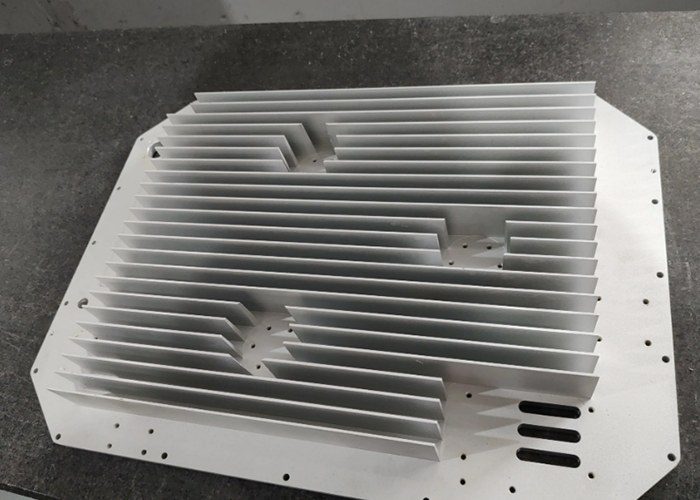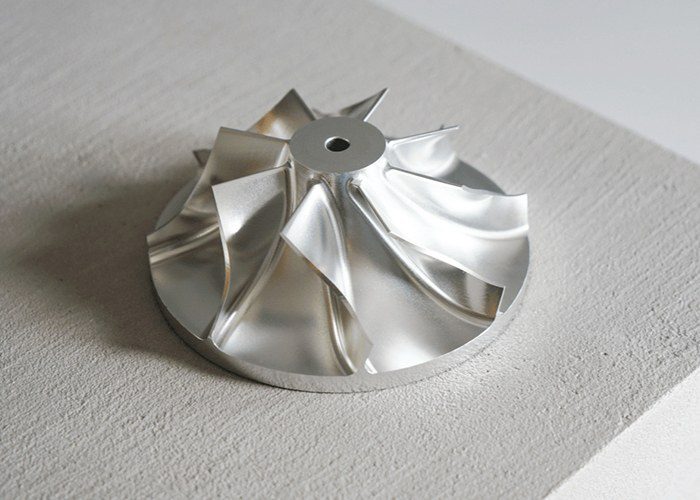
In the silent, fluorescent-lit halls of advanced manufacturing facilities, a quiet revolution is constantly at work. Here, amidst the low hum of machinery and the faint scent of coolant, Computer Numerical Control (CNC) machining is bringing the most precise and complex mechanical parts into existence. From the delicate gears in a luxury watch to the robust turbine blades powering a jet engine, CNC machining is the foundational process that translates digital designs into physical reality, forming the literal building blocks of our technological age. It represents the perfect marriage of computational power and mechanical engineering, a digital craftsmanship that defines modern manufacturing.
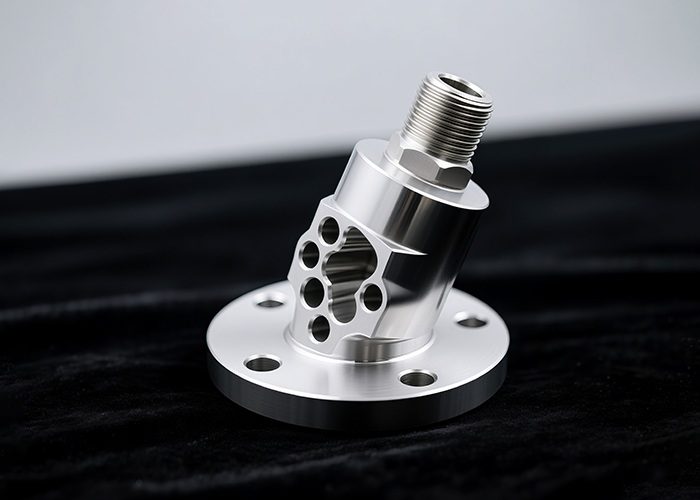
At its heart, CNC machining is a subtractive process where computer-aided programming directs the movements of industrial tools and equipment. Unlike additive processes like 3D printing, CNC machining starts with a solid block of material—metal, plastic, or composite—and removes layers from it with extreme precision to reveal the final part. This process is governed by coded instructions, typically G-code, which controls everything from the speed of the cutting tool and the feed rate of the material to the coordination of multi-axis movements. The advantages of this method for producing mechanical parts are profound. First and foremost is unmatched precision and repeatability. Once a program is verified, a CNC machine can produce ten or ten thousand identical components, each meeting microscopic tolerances that are impossible to maintain with manual machining. This repeatability is the bedrock of mass production and global supply chains. Secondly, it enables incredible complexity. Modern multi-axis CNC centers can manipulate a part through five or more axes simultaneously, allowing them to carve intricate geometries, internal channels, and complex contours in a single setup—a feat unachievable by traditional means. Finally, it offers remarkable material flexibility. While machining is often associated with metals like aluminum, steel, and titanium, CNC processes are equally adept at handling engineering plastics, wax, and advanced composites, making it a universal solution for prototyping and production across industries.
The journey of a CNC-machined mechanical part begins long before the first tool touches the stock material. It starts with meticulous design and programming. Engineers create a 3D model using Computer-Aided Design (CAD) software, defining every dimension, surface, and tolerance. This model is then translated into machining instructions through Computer-Aided Manufacturing (CAM) software. Here, a machinist or programmer makes critical decisions: selecting the optimal cutting tools, calculating spindle speeds and feed rates, and plotting the most efficient toolpaths to minimize waste and time. This digital blueprint is the master plan for production.
The actual machining process is a symphony of coordinated movements. The machine follows its programmed instructions, with cutting tools—end mills, drills, and lathes—precisely removing material. Tool selection and fixturing are paramount; the right tool ensures a perfect cut, while a secure fixture holds the workpiece immobile against tremendous forces. For complex parts, the workpiece may be repositioned in multiple setups or transferred between different machines, such as a mill and a lathe. After machining, the part often undergoes secondary finishing operations. This may include deburring to remove sharp edges, surface treatments like anodizing or plating for corrosion resistance, or other processes like heat treatment to enhance material properties. Crucially, Quality Control (QC) is integrated throughout. Parts are measured with precision instruments like Coordinate Measuring Machines (CMMs) and calipers to verify they match the original CAD model’s specifications, ensuring every component is flawless.
Today, CNC machining is evolving within the framework of Industry 4.0. Automation and integration are key trends, with robotic arms loading raw materials and unloading finished parts, creating “lights-out” manufacturing cells that operate unattended. Furthermore, CNC is no longer seen in opposition to additive manufacturing but is increasingly used in hybrid manufacturing systems. A part might be 3D printed near its net shape and then finished with CNC machining to achieve critical tolerances and surface finishes, combining the design freedom of additive with the precision of subtractive processes. This synergy is pushing the boundaries of what is possible in mechanical part design.
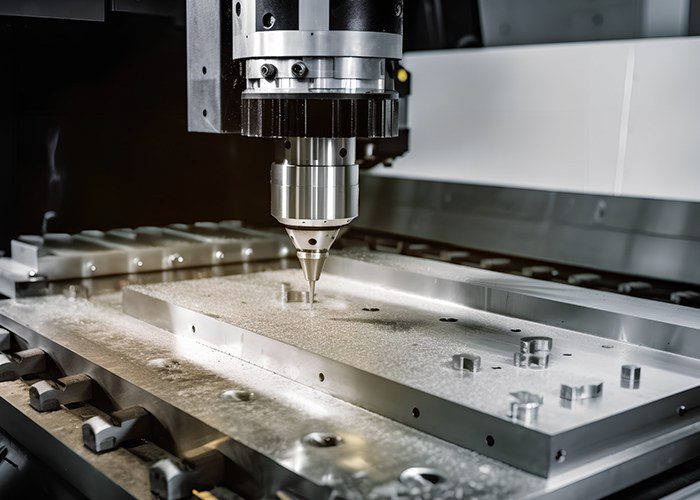
In conclusion, CNC machining of mechanical parts is far more than a mere industrial process; it is the enabling technology of precision engineering. It provides the vital link between innovative design and functional, reliable hardware. As we advance into an era of smarter factories, more sophisticated products, and customised solutions, the role of CNC machining remains irreplaceably central. It is the disciplined, digital artisan that continues to shape the material foundations of our world, one impeccably crafted part at a time.