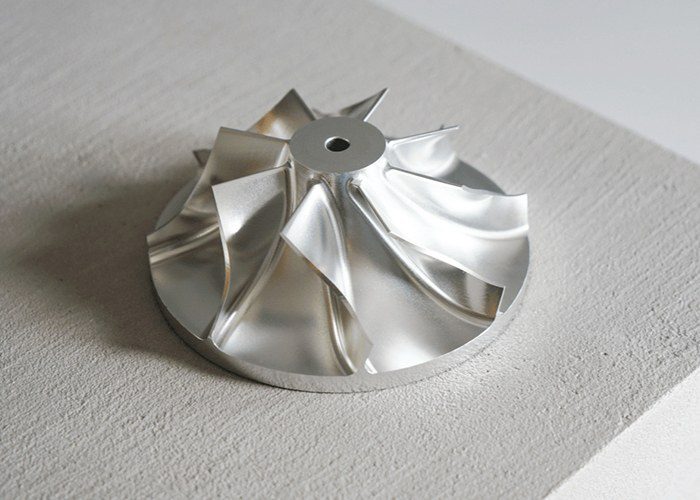
At the heart of every machine, from the simplest lever to the most complex spacecraft, lies a fundamental building block: the mechanical component. A mechanical component is a discrete, manufactured part designed to perform a specific, essential function within a larger mechanical system or assembly. It is a singular piece of hardware, an individual cog in the grand machine of engineering, whose sole purpose is to contribute to the transformation, transmission, or control of force, motion, or energy. Understanding what a mechanical component is—its nature, its diversity, and its significance—is to understand the very language of physical innovation that shapes our manufactured world.
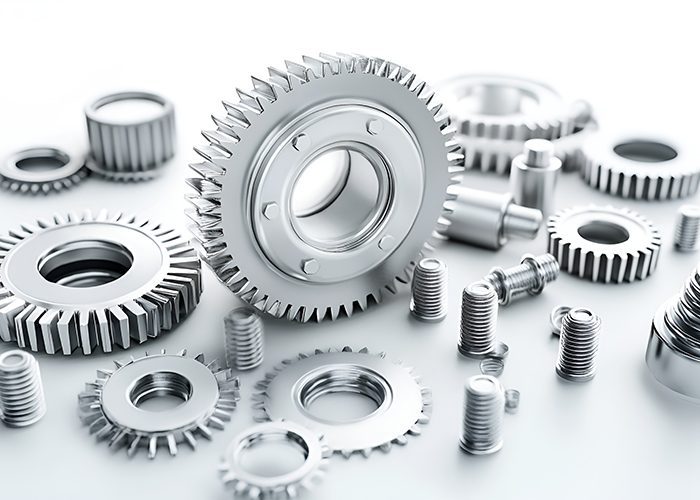
In essence, a mechanical component is a physical mediator of mechanical principles. It is not the system itself, but an indispensable element that allows the system to exist. Consider a bicycle. The bicycle as a whole is a mechanical system designed for human-powered transportation. Yet, it is composed of numerous individual components: gears, chains, bearings, bolts, pedals, and axles. Each has a distinct shape, material, and function. The gear’s teeth are shaped to mesh with the chain; the bearing is crafted with inner and outer races and rolling elements to reduce friction between the wheel and the frame; the bolt is threaded to apply a precise clamping force. Isolated, each component is merely a piece of metal or polymer. Integrated into the assembly according to precise geometric and functional relationships, they become the enablers of motion, efficiency, and reliability.
The importance of mechanical components cannot be overstated. They are the tangible realization of engineering design intent. The performance, durability, safety, and efficiency of any machine are direct consequences of the quality, selection, and integration of its components. A poorly designed or manufactured bearing can lead to catastrophic failure in an industrial motor. An improperly heat-treated gear tooth can fracture under load, halting an entire production line. Conversely, the relentless innovation in component technology—such as the development of ceramic bearings for extreme speeds or carbon-fiber composite springs for lightweight strength—drives progress across all fields of engineering, enabling higher performance, greater energy savings, and new capabilities previously thought impossible.
The universe of mechanical components is vast and categorized by their primary functions. Some of the most universal families include:
- Fastening Components: These are the literal glue that holds assemblies together. Bolts, nuts, screws, rivets, and pins provide non-permanent or permanent connections, transmitting loads and maintaining structural integrity.
- Power Transmission Components: These are responsible for moving energy and motion from a source (like an engine) to a point of application. This critical family includes gears (to change speed and torque), shafts (to rotate and transmit torque), bearings (to support shafts and reduce friction), couplings (to connect two shafts), and belts and chains (to transfer motion over distance).
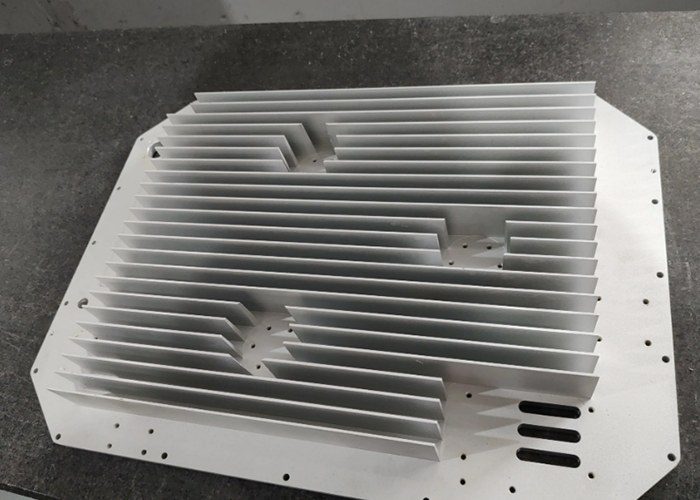
- Structural and Support Components: These parts provide the framework and stability. Frames, housings, brackets, and springs (which also store and release energy) fall into this category. They manage static and dynamic loads, ensuring the system maintains its shape and alignment under force.
- Sealing and Fluid Handling Components: In systems involving gases or liquids, components like gaskets, O-rings, valves, and pumps are essential for controlling flow, maintaining pressure, and preventing leaks, ensuring the system’s functional purity and environmental safety.
The application of mechanical components is omnipresent, defining the functionality of nearly every human-made device. In the automotive industry, thousands of components work in concert: pistons convert explosive force into linear motion, camshafts orchestrate valve timing, and differential gears allow wheels to rotate at different speeds during a turn. In robotics, precision ball screws translate rotary motion into exact linear movement for arm positioning, while specialized joints and actuators mimic biological movement. Even in the seemingly digital realm of a computer, mechanical components persist: cooling fans with bearings and blades, hard drive actuators, and the tactile switches beneath a keyboard.
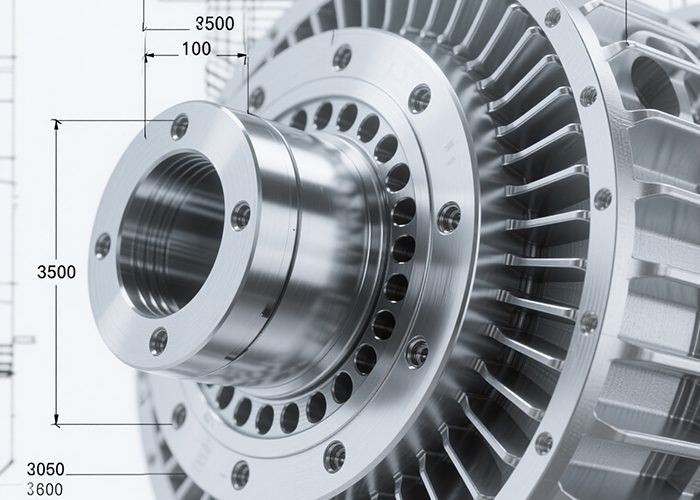
Ultimately, a mechanical component is more than just a part; it is a point of intersection where material science, physics, manufacturing precision, and creative design converge. The ongoing evolution of these components—through miniaturization, smart materials, additive manufacturing (3D printing), and integrated sensors—continues to push the boundaries of what is mechanically possible. They are the unsung heroes of engineering, the silent, robust, and elegant solutions that translate theoretical forces and motions into the reliable, functional machines that power our civilization. To ask “What is a mechanical component?” is to inquire about the fundamental vocabulary of the physical world we have built, one precise, purposeful piece at a time.