
In the vast and intricate ecosystem of modern medicine, the spotlight often falls on groundbreaking technologies: robotic surgical systems, advanced imaging scanners, and smart monitoring devices. Yet, the seamless operation of these technological marvels hinges on a fundamental, often overlooked layer: medical equipment parts. These components are the silent, indispensable cogs in the machinery of healthcare, ensuring precision, reliability, and ultimately, patient safety. From the simplest screw to the most complex microprocessor, each part plays a pivotal role in the grand symphony of medical intervention.
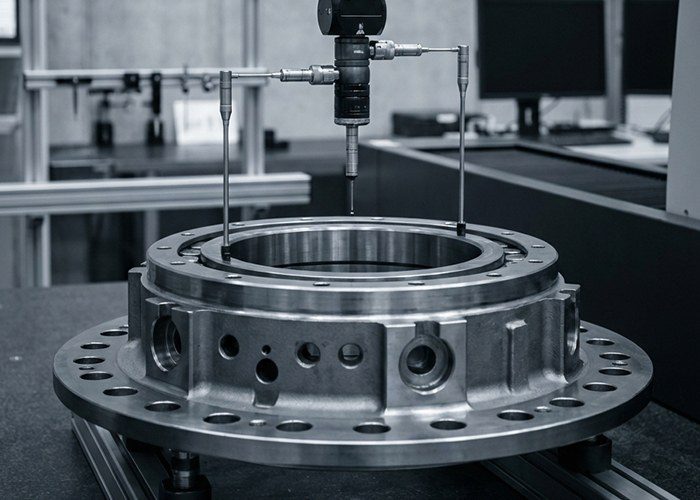
At its core, medical equipment encompasses a staggering array of devices, each with its own specialized parts ecosystem. Broadly, these can be categorized into diagnostic, therapeutic, monitoring, and life-support equipment. The parts within them range from purely mechanical elements to sophisticated electronic and software-driven components. Their collective function is to translate engineering principles into clinical outcomes.
Consider diagnostic imaging, one of medicine’s eyes into the human body. In a CT scanner or an MRI machine, the quality of the final image—and thus the accuracy of diagnosis—depends entirely on the performance of its internal parts. The X-ray tube, a critical component in CT and radiography, must generate a stable, precise beam of radiation. Its cathode filament, anode target, and glass or metal envelope are engineered to withstand immense heat and stress. Any degradation here can lead to blurred images or inconsistent dosing. Similarly, in MRI systems, the gradient coils and radiofrequency coils are precision-engineered parts that create and detect magnetic fields. Their failure doesn’t just halt a procedure; it can distort the very data physicians rely on to detect tumors, neurological disorders, or musculoskeletal injuries.
In the realm of therapeutic and life-support devices, the stakes for part reliability are even higher, often becoming a matter of life and death. An infusion pump, a ubiquitous device in hospitals, relies on a precise linear actuator or a stepper motor to deliver medications or nutrients at a controlled rate. A failure in this motor or its controlling circuitry can result in under-dosing or a dangerous overdose. Likewise, ventilators, which have been at the forefront of global health crises, are assemblies of critical parts: sensors to monitor air pressure and flow, valves to control gas mixture, microprocessors to interpret patient data and adjust parameters in real time, and alarms to alert staff to discrepancies. Each valve, sensor, and circuit board must perform flawlessly under continuous use. The biocompatibility of parts—such as tubing and filters that come into contact with blood or breath—is equally crucial, requiring materials that are inert, non-toxic, and sterilizable.
The evolution of medical equipment parts mirrors the broader trends in technology and materials science. The shift from analog to digital has been profound. Traditional mechanical gauges have been replaced by digital sensors and transducers that convert physiological signals (pressure, temperature, electrical activity) into digital data. This transition demands parts like micro-electromechanical systems (MEMS) sensors, application-specific integrated circuits (ASICs), and high-fidelity analog-to-digital converters. These components are the nervous system of modern devices, enabling connectivity, data analytics, and the integration into the Internet of Medical Things (IoMT).
Material innovation is another driving force. The demand for durability, miniaturization, and biocompatibility has led to the adoption of advanced polymers, titanium alloys, and ceramic composites. For instance, arthroscopic surgical tools require tiny, robust cutting heads that stay sharp and resist corrosion through repeated sterilization cycles. Pacemaker leads need flexible, fatigue-resistant materials that can withstand the constant motion of the heart for decades. The development of these specialized materials is as much a part of the component story as the engineering design itself.
However, the world of medical equipment parts is not without its challenges. These components are sourced through a supply chain of global complexity. A disruption, as witnessed during the COVID-19 pandemic, can halt the production of essential devices. Furthermore, the regulatory landscape is stringent. In regions like the United States and the European Union, critical parts are subject to rigorous oversight by bodies like the FDA and under directives like the EU MDR. Manufacturers must ensure that each component, whether manufactured in-house or sourced from a supplier, meets exacting standards for safety, performance, and traceability. This often requires comprehensive documentation, from the sourcing of raw materials to the final validation testing.
The rise of refurbished medical equipment also highlights the importance of parts management. Third-party service organizations rely on a robust supply of high-quality, OEM-equivalent replacement parts to maintain and repair devices, making healthcare more accessible and sustainable. This sector underscores a critical truth: the lifecycle of a multi-million dollar scanner is ultimately dependent on the availability of a few hundred-dollar circuit boards or motors.
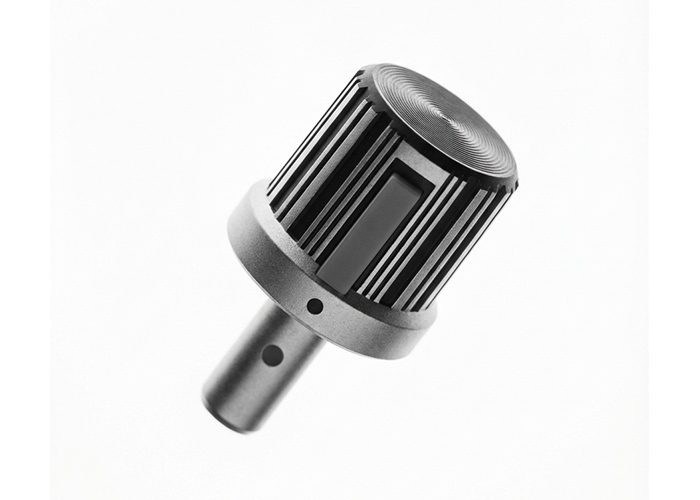
In conclusion, medical equipment parts are far more than mere accessories; they are the foundational elements upon which modern healthcare is built. They embody the convergence of mechanical engineering, electronics, materials science, and software. Their relentless innovation drives progress, enabling more accurate diagnoses, less invasive treatments, and better patient outcomes. While they may operate behind the scenes, their performance echoes in every successful surgery, every timely diagnosis, and every life sustained by medical technology. As healthcare continues its advance towards greater precision and personalization, the quiet evolution of these parts—smaller, smarter, more reliable, and more connected—will continue to be the unsung hero of the medical revolution. Their story is a testament to the fact that in medicine, as in engineering, greatness often lies in the smallest of details.


