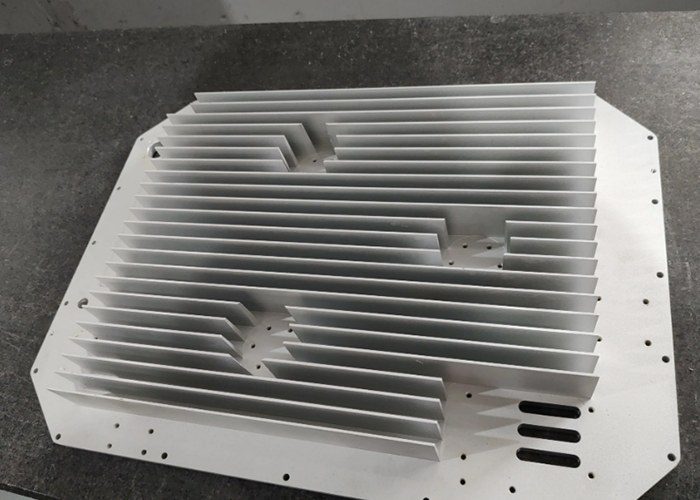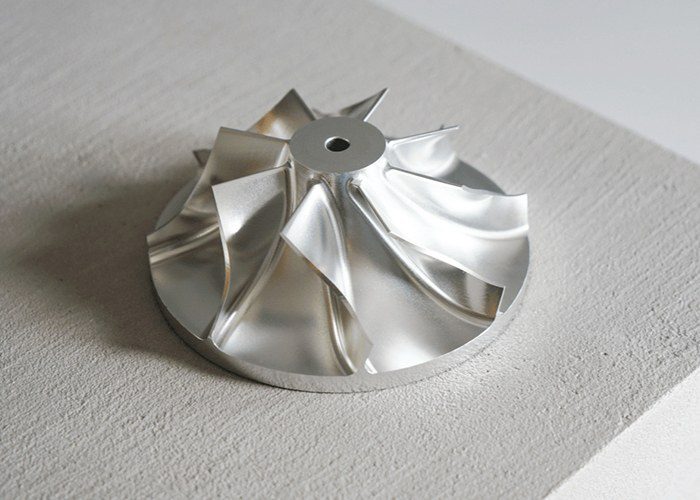
Grinding machining is one of the most fundamental and precise material removal processes in modern manufacturing. Unlike conventional cutting methods such as turning or milling, which use a single-point or multi-point cutting tool with a defined geometry, grinding employs an abrasive wheel as the cutting tool. This wheel consists of countless hard, sharp abrasive grains bonded together. As the wheel rotates at high speed, each grain acts as a microscopic cutting edge, shearing off tiny chips from the workpiece surface. The result is a superior surface finish, extremely tight dimensional tolerances, and the ability to machine very hard or brittle materials.
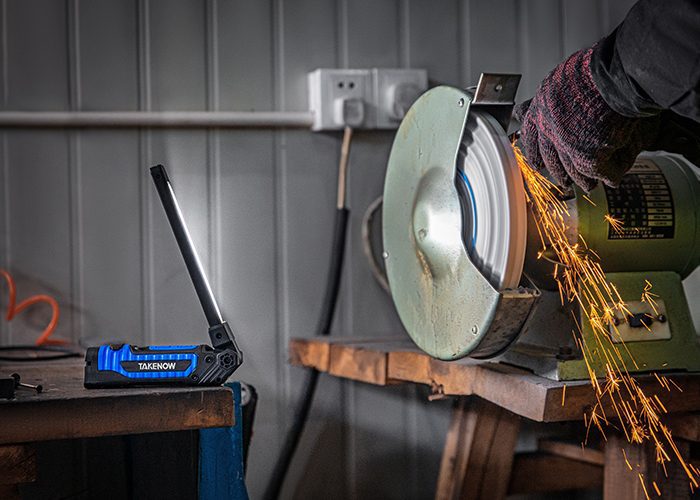
How Does Grinding Work?
The grinding process involves four key elements: the grinding wheel, the workpiece, a machine tool (grinder), and a coolant (optional but common). The grinding wheel, typically made of aluminum oxide, silicon carbide, cubic boron nitride (CBN), or diamond, is mounted on a spindle and rotates at speeds ranging from 5,000 to 20,000 surface feet per minute. The workpiece is held against the rotating wheel either manually or via a fixture. As the wheel advances into the material, the abrasive grains penetrate the surface, producing small chips. The irregular shape and random orientation of the grains create a multi-directional cutting action, leading to very low cutting forces per grain but a high total energy input, which generates heat. To prevent thermal damage (e.g., burns, cracks, microstructural changes), coolants like oil or water-based fluids are applied to lubricate, cool, and flush away chips.
Main Types of Grinding Operations
Grinding is not a single process but a family of techniques, each suited to specific geometries and production needs.
- Surface Grinding – Used to produce a smooth, flat finish on horizontal or vertical surfaces. The workpiece reciprocates under a rotating wheel, which removes material from the top surface. This is common for dies, jigs, and precision plates.
- Cylindrical Grinding – Used for external cylindrical features (shafts, rods). The workpiece rotates in the opposite direction of the wheel while moving back and forth. It can grind diameters, shoulders, and tapers with micron-level accuracy.
- Centerless Grinding – A high-production method where the workpiece is not mechanically clamped but rests between a grinding wheel and a regulating wheel. The regulating wheel controls rotation and feed speed. Ideal for mass-producing pins, needles, and bearing races.
- Internal Grinding – Used to finish internal bores or holes. A small grinding wheel is inserted into a pre-drilled or bored hole. This process achieves high roundness and surface quality for bushing and cylinder liners.
- Tool and Cutter Grinding – Specialized for sharpening and reconditioning cutting tools like end mills, drills, and reamers. This ensures tool life and machining precision.
- Creep‑Feed Grinding – A variation where the wheel takes a deep cut (up to several millimeters) at a slow feed rate. It replaces milling or broaching in some applications, especially for complex shapes like turbine blade roots.
Key Applications Across Industries
Grinding is indispensable wherever high precision, excellent surface finish, or hard materials are involved. Common applications include:
- Automotive – Crankshafts, camshafts, connecting rods, gear teeth, and hydraulic components.
- Aerospace – Turbine blades, landing gear parts, and bearings requiring fatigue-resistant surfaces.
- Medical – Surgical instruments, bone screws, dental drills, and orthopedic implants.
- Toolmaking – Sharpening dies, punches, and cutting tools.
- Electronics – Slicing silicon wafers with diamond grinding wheels.
- General engineering – Precision shafts, rings, bushings, and mold components.
Advantages of Grinding Machining
- Exceptional Surface Finish – Grinding can achieve surface roughness down to Ra 0.025–0.1 µm, far better than milling or turning. This reduces friction and improves wear resistance.
- Tight Tolerances – Dimensional accuracy of ±0.0025 mm or even ±0.00025 mm is achievable, making grinding the go-to process for final finishing.
- Machining Hard Materials – Grinding can shape hardened steel (HRC 60+), ceramics, glass, and carbides that would destroy conventional cutting tools.
- Ability to Handle Complex Geometries – With form wheels and CNC grinders, intricate profiles (e.g., threads, grooves, contours) can be generated.
- Low Surface Stress – When properly cooled, grinding produces a compressive residual stress layer that can improve fatigue life.
Limitations and Challenges
Despite its advantages, grinding has drawbacks:
- High Energy Consumption – The process requires more power per volume of material removed compared to milling or turning.
- Heat Sensitivity – Without adequate cooling, thermal damage (burning, rehardening, tempering) can ruin the workpiece.
- Wheel Wear – Abrasive grains dull or fracture, requiring periodic dressing (restoring the wheel’s shape and sharpness). This adds time and cost.
- Capital and Tooling Cost – Precision grinders are expensive, and diamond/CBN wheels cost significantly more than conventional inserts.
- Process Limitations – Grinding is typically a finishing operation, not a roughing one. Material removal rates are low (0.1–10 mm³ per second per mm width), so excessive stock must be removed by other methods first.
Conclusion
Grinding machining is a cornerstone of precision manufacturing. By using thousands of microscopic abrasive cutting edges, it achieves levels of accuracy and surface quality unmatched by most other processes. From the sleek surface of an engine crankshaft to the sharp edge of a surgical scalpel, grinding enables components to perform reliably under demanding conditions. While it demands careful control of heat, wheel preparation, and process parameters, its ability to machine hard materials and produce mirror-like finishes ensures its continued relevance in industries from automotive to aerospace. As CNC technology and superabrasive materials advance, grinding remains an evolving and vital discipline – the ultimate touch of perfection in the world of machining.