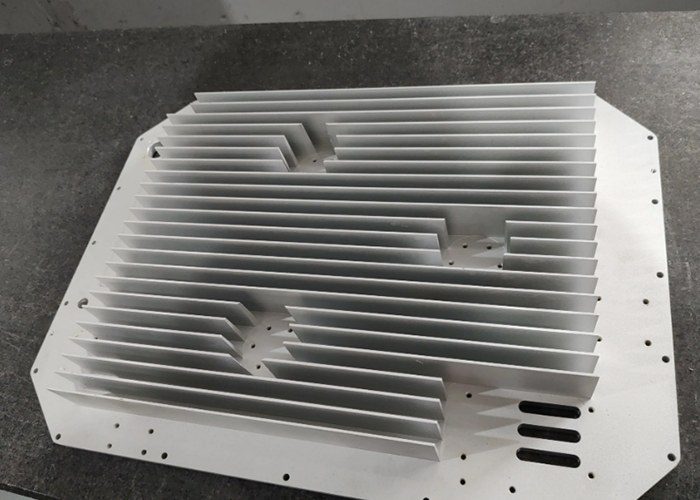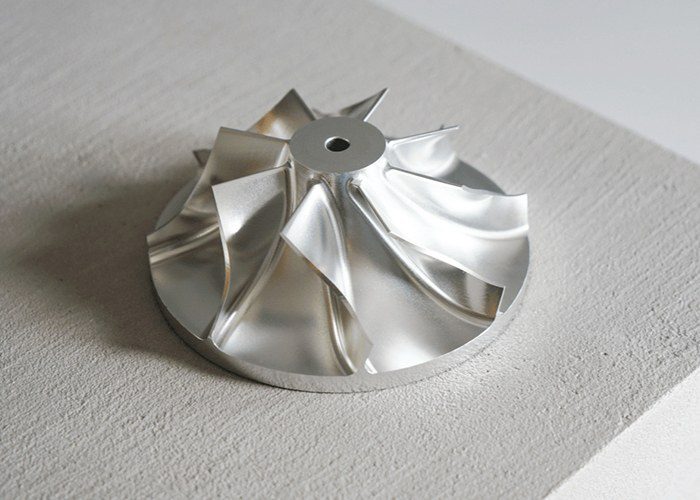
Imagine a sculptor, but one who works not with chisel and hammer, but with digital blueprints and spinning tools of hardened steel, carving metal blocks with a precision measured in microns. This is the essence of CNC machining, a revolutionary process that has become the backbone of modern manufacturing. At its core, a CNC machined part is any component created by a Computer Numerical Control machine—a subtractive manufacturing method where material is precisely removed from a solid block (called a blank or workpiece) to form a final, functional shape, guided entirely by computer code.
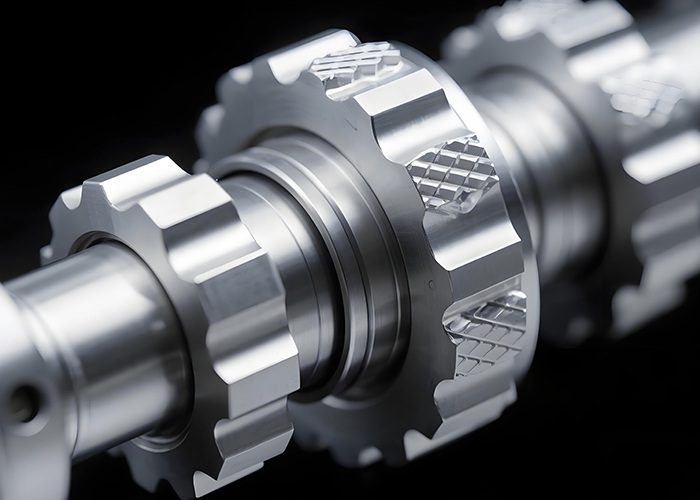
The magic of CNC machining lies in its seamless blend of digital design and physical execution. The journey of a part begins not on the factory floor, but on a computer screen. An engineer designs a detailed 3D model with CAD software. This virtual model is then translated by CAM (Computer-Aided Manufacturing) software into a set of precise, machine-readable instructions—known as G-code. This code dictates every movement of the machine tool: the spindle speed, the feed rate, the cutting path, and the depth of each cut. When this program is loaded into the CNC machine, it executes these commands with unerring accuracy, transforming the digital design into a tangible, high-precision object. Common CNC operations include milling, where rotary cutters shape the part, and turning, where the workpiece rotates against a stationary cutting tool to create cylindrical components.
The materials that can become CNC machined parts are incredibly diverse, spanning metals like aluminum, stainless steel, titanium, and brass, as well as engineering plastics such as ABS, Nylon, and PEEK. This versatility is matched by the capability of CNC machines themselves. From compact 3-axis mills for simpler parts to sophisticated 5-axis centers that can sculpt incredibly complex geometries from virtually any angle in a single setup, the technology adapts to the challenge.
So, why has CNC machining become so dominant? The advantages are profound. First and foremost is precision and repeatability. Once a program is perfected, a CNC machine can produce ten or ten thousand identical parts, each meeting exact specifications with tolerances as tight as a few thousandths of a millimeter. This eliminates human error and ensures consistent quality. Secondly, it enables complexity. It can create intricate features—pockets, contours, threads, and delicate surfaces—that would be extremely difficult, expensive, or even impossible with manual machining. Thirdly, while initial setup and programming require time and expertise, efficiency for medium to high-volume runs is exceptional. The process is highly automated, running unattended for long periods, which reduces labor costs and increases output.
The impact of CNC machined parts is visible everywhere in the engineered world. In the automotive and aerospace industries, they are critical for engine components, lightweight structural frames, and landing gear parts, where strength, low weight, and extreme reliability are non-negotiable. The medical field relies on them for sterile, biocompatible surgical instruments, custom implants, and diagnostic device housings. In electronics, CNC machining crafts the precise heatsinks, connectors, and enclosures that house our devices. Even the prototypes in a designer’s hand are often CNC machined, as the process allows for rapid iteration and testing of form and function using final production materials.
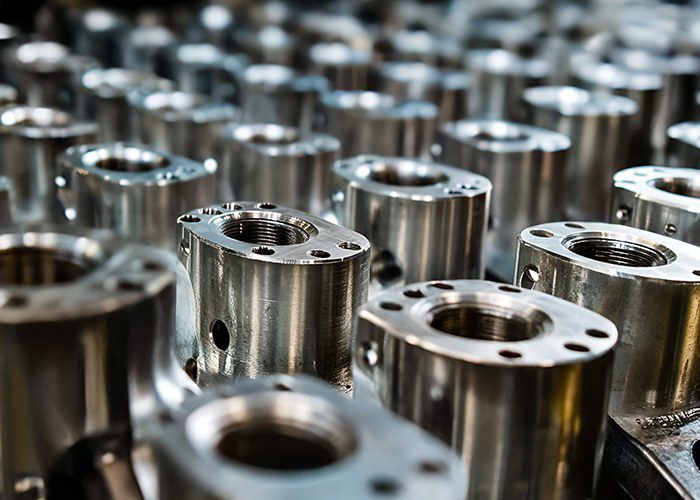
In conclusion, CNC machining parts are far more than just metal or plastic shapes. They are the physical manifestations of digital intelligence, embodying precision, complexity, and repeatability. They are the critical components that allow machines to fly, vehicles to run, medical procedures to advance, and technology to miniaturize. As the bridge between innovative design and functional reality, CNC machining remains an indispensable, transformative force in manufacturing, continuously shaping the precise world we live in.