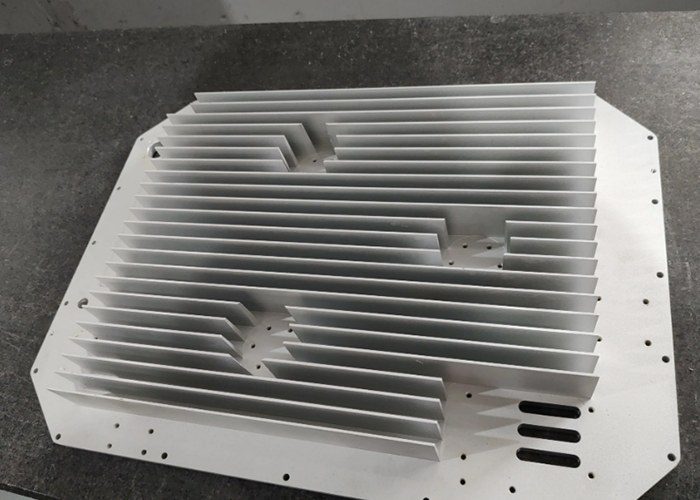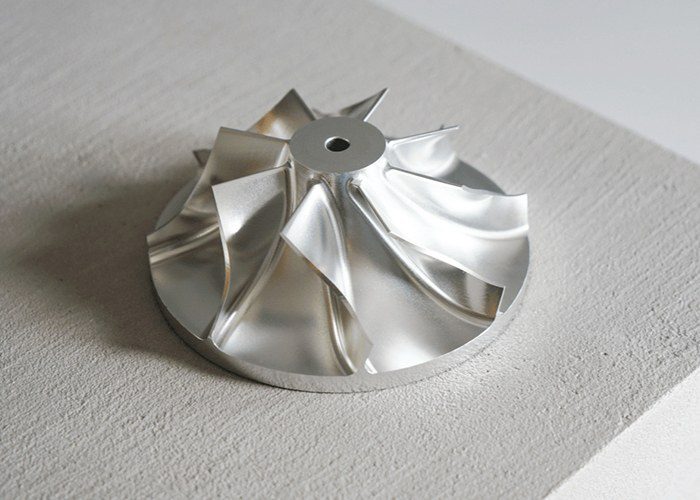
In the world of modern manufacturing, where the margin for error can be the difference between success and catastrophic failure, tight tolerance CNC machining services stand as the cornerstone of precision engineering. This specialized discipline goes far beyond standard machining; it is the art and science of creating components that adhere to exceptionally strict dimensional and geometric specifications, often measured in microns (thousandths of a millimeter) or ten-thousandths of an inch. In an era defined by miniaturization, high-performance applications, and relentless quality demands, these services are not merely an option but an absolute necessity for innovation across leading industries.
At its core, “tolerance” refers to the permissible limit of variation in a physical dimension. While conventional machining might work with tolerances of ±0.005 inches (±0.127 mm) or more, tight tolerance CNC machining typically operates in the realm of ±0.001 inches (±0.0254 mm) and much finer—frequently reaching ±0.0002 inches (±0.005 mm) or less for critical features. Achieving this level of consistency requires a symbiotic combination of advanced technology, meticulous processes, and profound expertise.
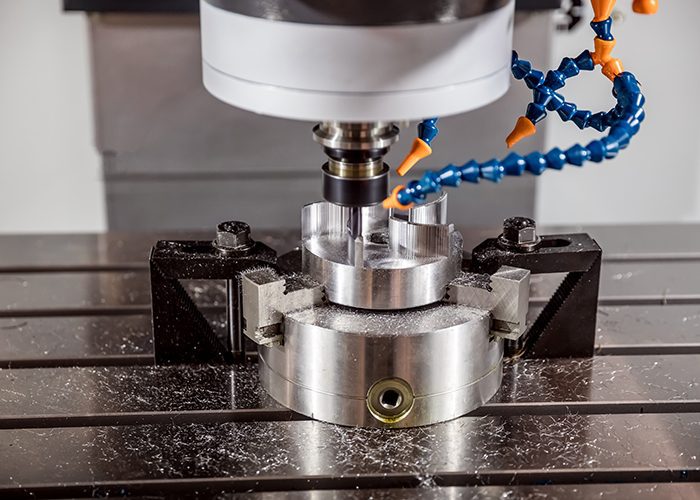
The journey begins with the machine itself. High-precision CNC (Computer Numerical Control) machining centers are engineered for exceptional stability, rigidity, and thermal control. They are equipped with linear scales for direct, real-time positional feedback (surpassing the potential backlash of standard ball screws), high-resolution spindles, and advanced servo systems. These machines are often housed in temperature-controlled environments to mitigate the subtle yet impactful effects of thermal expansion on both the equipment and the raw material. The cutting tools used are premium-grade, meticulously balanced, and applied with optimized speeds and feeds to minimize deflection and vibration—the sworn enemies of tight tolerances.
However, the machine is only one part of the equation. The true value of a specialist provider lies in a holistic, process-driven approach. It encompasses:
- Metrology and Verification: Precision is meaningless without verification. These services are inseparable from high-end metrology equipment such as Coordinate Measuring Machines (CMM), optical comparators, and laser scanners. First-article inspection and in-process quality checks are rigorous, ensuring every part of the run conforms to the digital blueprint.
- Material Mastery: Different materials behave differently under stress and heat. Experts in tight-tolerance machining possess deep knowledge of how alloys, plastics, and exotic materials react during cutting, selecting strategies that maintain dimensional stability throughout the process.
- Engineering Partnership: The most successful outcomes arise from early collaboration. A skilled machining service will review part designs for manufacturability, suggesting subtle modifications—like adding reliefs or adjusting datum references—that make achieving and holding tight tolerances more reliable without compromising the component’s function.
- Comprehensive Process Control: This includes sophisticated CAM (Computer-Aided Manufacturing) programming that accounts for toolpath strategies, step-overs, and cutting forces. It also involves meticulous fixturing to ensure the workpiece is held securely without distortion, and sometimes includes post-machining stabilization processes like stress relieving.
The applications demanding such exacting standards are diverse and technologically frontier-pushing:
- Aerospace & Defense: Tight tolerances are critical for the safety, efficiency, and reliability of components—from turbine blades with complex aerofoils to guidance systems—operating under extreme forces and temperatures.
- Medical & Life Sciences: Surgical instruments, orthopedic implants (like knees and hips), and diagnostic device parts require biocompatibility and flawless fit. Micron-level precision can directly impact patient outcomes and surgical success.
- Automotive (especially high-performance and electric vehicles): Powertrain components, fuel injection systems, and EV battery cooling plates rely on precision for maximum efficiency, power density, and longevity.
- Semiconductor & Optics: The machinery that produces microchips and advanced lithography lenses exemplifies ultra-precision engineering, demanding nanoscale surface finishes and sub-micron geometries.
- Robotics and Automation: High-speed robotic arms and precision linear actuators depend on components with minimal play and perfect alignment to ensure repeatability and accuracy.
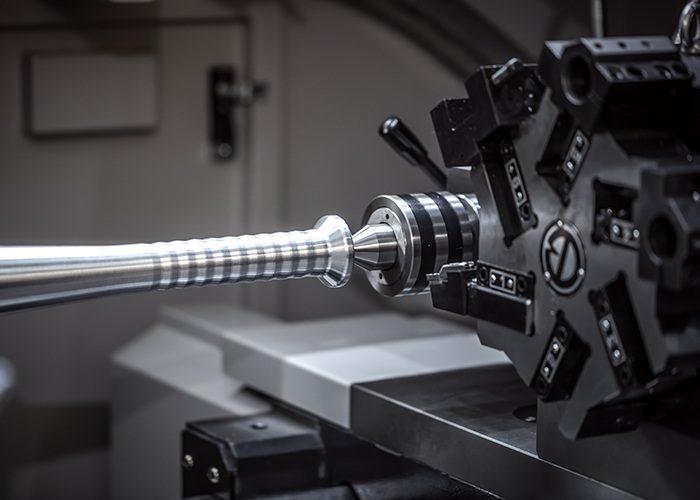
Choosing a provider for tight tolerance CNC machining services is a critical decision. It requires evaluating not just their machine shop’s specifications, but their quality certifications (like AS9100 or ISO 13485), their metrology capabilities, their track record in your specific industry, and their culture of continuous improvement. It is a partnership built on trust and technical excellence.
In conclusion, tight tolerance CNC machining is the invisible engine of technological progress. It transforms ambitious designs into tangible, reliable, high-performance components that power our most advanced systems. By leveraging state-of-the-art equipment, uncompromising process control, and deep engineering insight, these specialized services deliver more than just parts—they deliver certainty, enabling innovators to push boundaries and redefine what is possible in a world where precision is paramount.