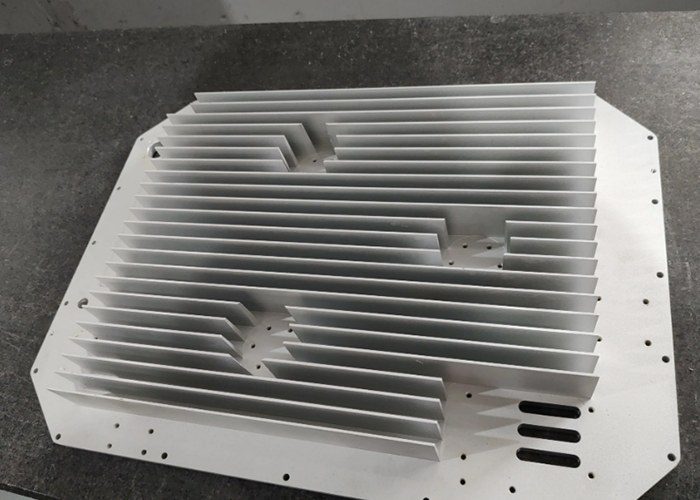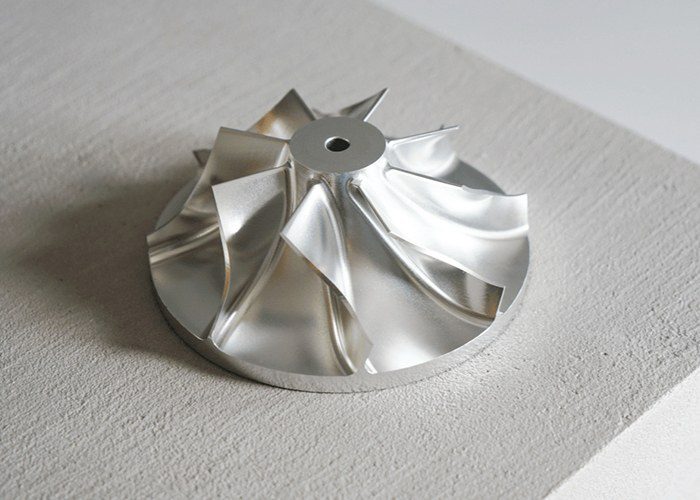
In a world increasingly driven by mass production and standardized components, there exists a parallel realm where precision, flexibility, and innovation converge to create the unique and the essential. This is the domain of CNC Custom Machining, a sophisticated manufacturing process that has fundamentally reshaped how we design, prototype, and produce complex parts across virtually every industry. More than just a method of fabrication, it represents the marriage of digital design with physical mastery, enabling the creation of bespoke components with astonishing accuracy and repeatability.
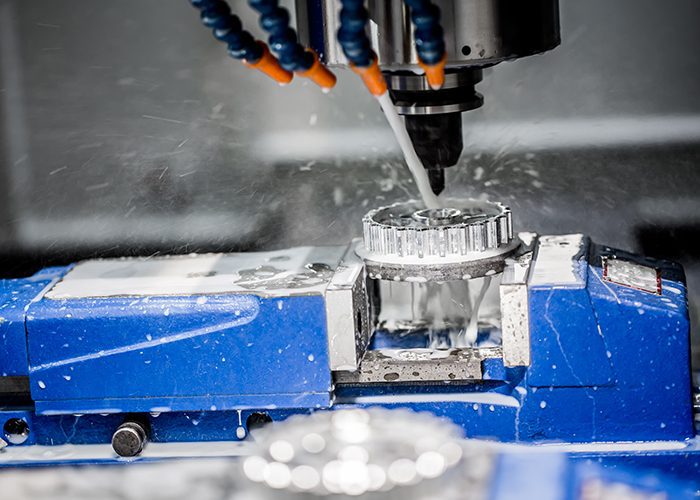
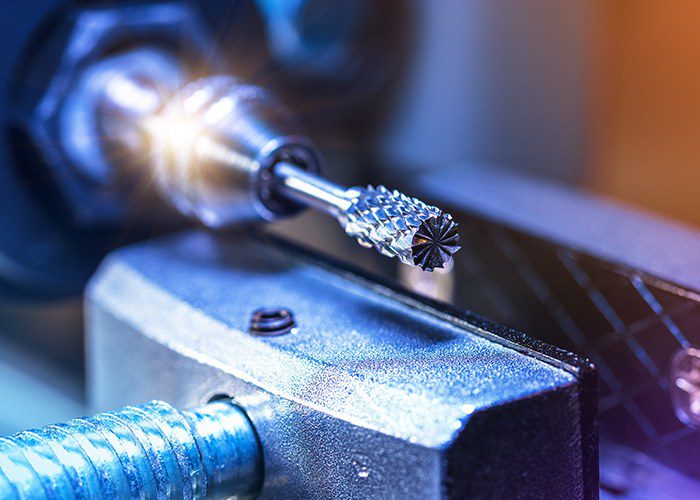
At its core, CNC (Computer Numerical Control) machining is a subtractive manufacturing process. It starts not with molten material or a mould, but with a solid block of material—be it metal (like aluminum, stainless steel, or titanium), plastic, wood, or composite. A computer program, generated from a detailed 3D digital model (CAD file), dictates the precise movements of cutting tools on multi-axis machines. These tools—mills, lathes, routers, and grinders—sculpt the raw material, removing layers with microscopic precision to reveal the final part. The “custom” aspect is integral; every toolpath, speed, and cut is tailored specifically for that single, unique design, whether one needs a single prototype or a small batch of specialized components.
The workflow of custom CNC machining is a testament to digital integration. It begins with an idea translated into a computer-aided design (CAD). This virtual blueprint is then processed by computer-aided manufacturing (CAM) software, which generates the G-code—the instructional language that commands the CNC machine. This code controls everything from the spindle speed and feed rate to the coolant flow and the intricate dance of the tool across five or more axes. Modern multi-axis CNC centers can rotate the part and tool in multiple directions simultaneously, allowing them to craft highly complex geometries, undercuts, and internal features in a single setup that would be impossible or prohibitively expensive with manual machining.
The applications of CNC custom machining are breathtakingly vast, underpinning both technological advancement and everyday life. In aerospace and aviation, it produces lightweight, high-strength structural components, turbine blades, and intricate engine parts from advanced alloys, where failure is not an option. The medical and dental industries rely on it for life-changing items: custom orthopedic implants tailored to a patient’s anatomy, surgical instruments with complex geometries, and durable prosthetics. In the world of automotive and motorsports, it enables rapid prototyping of new engine components, custom suspension parts, and lightweight performance upgrades. Even the technology we hold in our hands is born from this process; CNC machining creates the precise molds for plastic injection molding and often directly manufactures metal enclosures, heat sinks, and connectors for electronics and consumer devices.
The advantages of opting for custom CNC machining are compelling. Precision and Accuracy are paramount, with tolerances routinely held within thousandths of an inch (±0.025mm or less), ensuring perfect fit and function. Material Versatility is unparalleled; engineers can select the ideal material for the job—from soft plastics to super-alloys—without changing the fundamental process. For prototyping and low-to-medium volume production, it offers Exceptional Speed and Flexibility. Design changes can be implemented quickly by modifying the digital model and program, bypassing the need for expensive and time-consuming tooling like molds or dies. This makes it ideal for iterative development. Furthermore, the Consistency and Repeatability are absolute; the tenth part is identical to the first, a crucial factor for quality assurance in critical applications.
Looking forward, the evolution of CNC custom machining is intertwined with the broader trends of Industry 4.0. Machines are becoming smarter, connected, and more autonomous. Integration with sensors and the Internet of Things (IoT) allows for real-time monitoring of tool wear, vibration, and performance, enabling predictive maintenance and minimizing downtime. The synergy with additive manufacturing (3D printing) is also growing, with hybrid machines that can both add and subtract material emerging. Furthermore, advances in software, including generative design and AI-powered CAM programming, are pushing the boundaries of what is possible, creating optimized part geometries that maximize strength while minimizing weight and material waste.
In conclusion, CNC custom machining is far more than a niche manufacturing technique. It is a foundational pillar of modern engineering and innovation. By providing an unrivaled combination of digital control, material flexibility, and extreme precision, it empowers designers and engineers to turn visionary concepts into tangible, high-performance reality. From the satellites orbiting our planet to the medical devices healing our bodies, CNC custom machining is the silent, precise force crafting the building blocks of our engineered world, one custom part at a time.