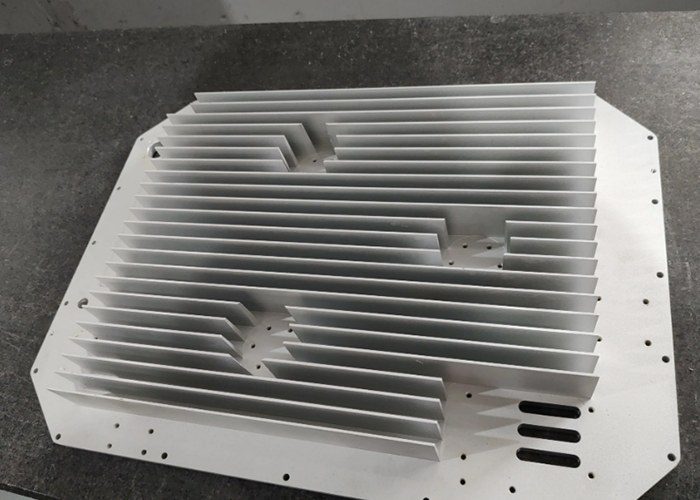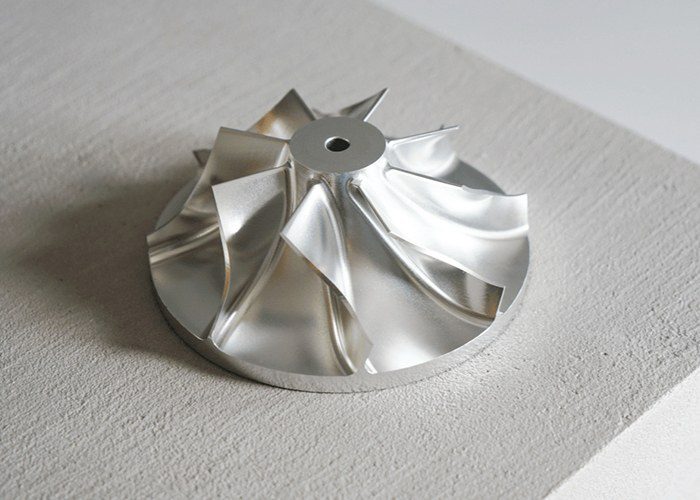
In the vast landscape of modern manufacturing, few processes are as fundamental and transformative as Computer Numerical Control (CNC) machining. When this advanced technology is applied to one of industry’s most enduring and vital materials—steel—the result is a capability that forms the backbone of everything from everyday consumer products to the most sophisticated aerospace and medical devices. CNC machining of steel parts represents the perfect marriage of digital precision and material strength, enabling the creation of components with unparalleled accuracy, repeatability, and complexity.
The Foundation: Understanding CNC Machining and Steel
CNC machining is a subtractive manufacturing process where pre-programmed computer software dictates the movement of factory tools and machinery. This automation allows for the precise control of lathes, mills, grinders, and routers to cut, shape, and sculpt a raw block of material—a blank—into a finished part. Unlike manual machining, CNC systems follow coded instructions (G-code) with extreme fidelity, ensuring every produced piece is virtually identical to the last.
Steel, an alloy primarily of iron and carbon, is the material of choice for countless applications due to its exceptional properties. Its versatility comes from the ability to alter its characteristics through varying carbon content and the addition of other elements like chromium, nickel, and molybdenum. From the ease of machining mild low-carbon steels to the hardened strength of tool steels and the corrosion resistance of stainless steels, this family of alloys offers a solution for nearly every engineering challenge. The hardness, tensile strength, durability, and often favorable cost of steel make it indispensable for parts that must withstand force, wear, and demanding operational environments.
The Symbiosis: Why CNC and Steel are a Perfect Match
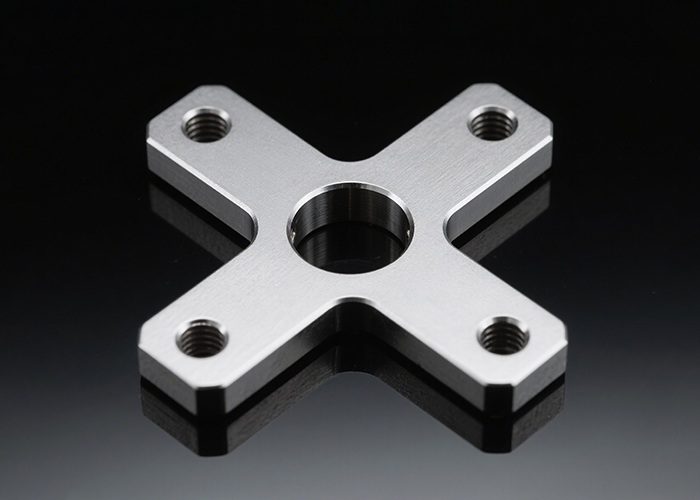
The combination of CNC technology and steel is synergistic. First and foremost is precision and complexity. CNC machines can produce steel parts with tolerances within a few microns (thousandths of a millimeter). They can create intricate geometries—deep cavities, sharp corners, complex contours, and precise threads—that would be impossible, inconsistent, or prohibitively expensive with manual methods. This allows for the consolidation of multiple components into a single, robust steel part, improving assembly time and structural integrity.
Repeatability and scalability are other critical advantages. Once a CNC program is verified, it can run continuously, producing hundreds or thousands of identical steel components. This is essential for mass production in automotive or consumer goods industries. Conversely, it also makes one-off prototypes or small batches economically viable, as the same digital file can be used without costly tooling changes.
Furthermore, CNC machining provides superior material properties in the finished part. Compared to casting or forming, machining results in a continuous grain structure within the steel, often leading to better fatigue resistance and strength. The process also delivers an excellent surface finish directly from the machine, reducing or eliminating the need for secondary finishing operations.
The Process: From Digital Blueprint to Solid Steel Part
The journey of a CNC-machined steel part begins with a 3D Computer-Aided Design (CAD) model. This digital blueprint is then translated into machining instructions via Computer-Aided Manufacturing (CAM) software. The CAM software calculates toolpaths, selecting the optimal cutting tools (drills, end mills, inserts), spindle speeds, feed rates, and depth of cuts for the specific grade of steel being used—a crucial step, as machining parameters differ vastly between a soft 1018 steel and a tough 4140 alloy.
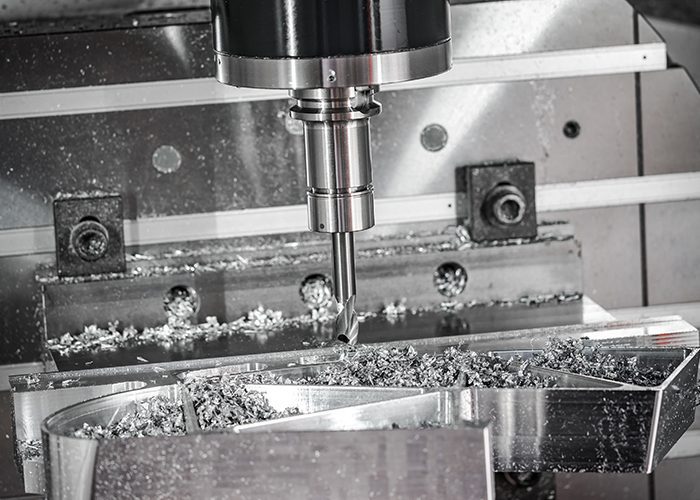
The machinist secures a steel blank to the machine bed, loads the tools, and initiates the program. Coolants are essential, flooding the cutting area to dissipate the significant heat generated, lubricate the cut, remove metal chips (swarf), and prolong tool life. Operations may occur on multi-axis machines (3-axis, 5-axis), which can access almost every surface of the part in a single setup, further enhancing accuracy. Post-machining, parts may undergo heat treatment (like quenching and tempering) to achieve desired hardness, followed by finishing processes such as grinding, polishing, plating, or painting.
Applications Across Industries
The applications for CNC machined steel parts are limitless:
- Automotive & Aerospace: Engine blocks, transmission components, landing gear parts, turbine blades, and flight-critical fittings demand steel’s strength and CNC’s precision.
- Medical: Surgical instruments, implantable device components, and diagnostic equipment rely on the biocompatibility of certain stainless steels and the flawless finish achievable through CNC.
- Industrial Machinery: Gears, shafts, hydraulic components, and heavy-duty housings form the core of machines that power other industries.
- Energy: Components for oil & gas exploration, wind turbines, and power generation systems are routinely machined from high-grade, durable steels.
- Robotics and Automation: Durable joints, actuator parts, and custom end-effectors enable modern robotic systems to perform repetitive, high-force tasks.
The Future and Conclusion
The future of CNC machining steel parts is being shaped by advancements in automation and “lights-out” manufacturing, where machines run unsupervised. Integration with additive manufacturing (3D printing) is also growing, where a near-net-shape steel part is 3D printed and then finished to high tolerance via CNC machining. Furthermore, advanced tooling materials like cubic boron nitride (CBN) and smarter, AI-driven CAM software that can optimize toolpaths in real-time are pushing the boundaries of speed, efficiency, and complexity.
In conclusion, CNC machining of steel parts is not merely a manufacturing process; it is a critical enabler of modern engineering and industrial progress. It provides designers with the freedom to innovate without being constrained by manufacturing limitations, offering a blend of strength, precision, and flexibility unmatched by other methods. As both CNC technology and steel metallurgy continue to evolve, this powerful partnership will undoubtedly remain at the heart of building the durable, reliable, and advanced machinery that defines our world.