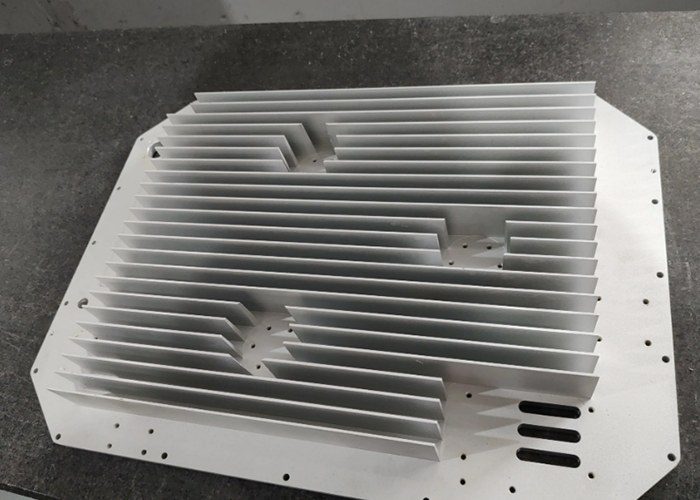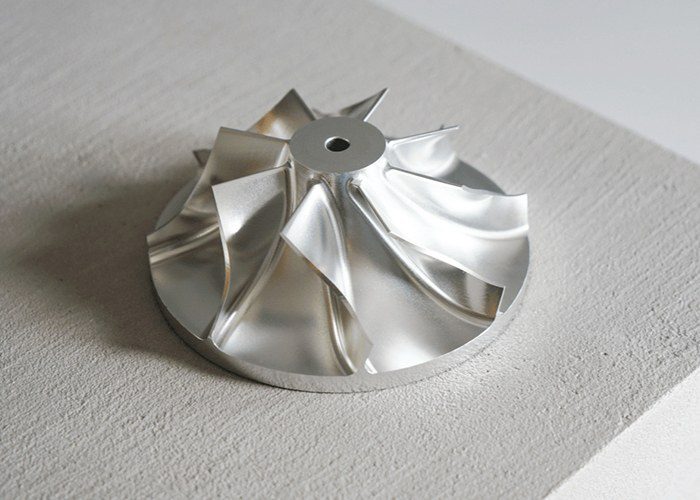
In the landscape of modern manufacturing, few processes are as fundamental and transformative as CNC metal turning. Standing as a pinnacle of precision engineering, Computer Numerical Control (CNC) metal turning is a subtractive manufacturing process that has revolutionized how cylindrical and rotationally symmetric metal parts are created, from the simplest bushings to the most complex aerospace components. It represents the seamless marriage of traditional lathe work with digital automation, delivering unparalleled accuracy, repeatability, and efficiency.
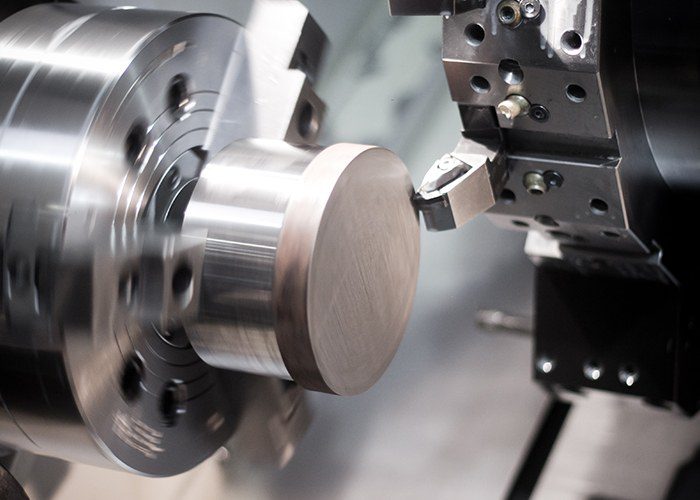
At its core, metal turning is the process of removing material from a rotating workpiece using a stationary cutting tool to achieve a desired shape. The traditional lathe, operated by skilled machinists, has been a workshop staple for centuries. However, the advent of CNC technology elevated this process to new heights. In CNC turning, the machinist’s expertise is encoded into a digital program—a set of G-codes and M-codes—that dictates every movement of the machine tool. The CNC controller interprets this program, precisely coordinating the rotation of the workpiece (held in a chuck or between centers) and the movement of cutting tools along multiple axes. The primary cutting tool moves linearly along the axis of the rotating workpiece to remove material from its outer diameter (OD turning), while other tools can perform operations like boring (enlarging internal diameters), facing (creating flat surfaces), threading, grooving, and parting-off.
The advantages of CNC metal turning over manual operation are profound. First and foremost is precision and repeatability. CNC machines can hold tolerances within a few microns consistently, part after part. This level of accuracy is critical for industries like aerospace, medical device manufacturing, and automotive, where a minute deviation can lead to catastrophic failure. Once a program is verified, it can produce thousands of identical components, ensuring mass production with consistent quality.
Secondly, CNC turning offers remarkable efficiency and productivity. Modern CNC lathes, especially multi-axis turning centers and mill-turn machines, can perform numerous operations in a single setup. A single machine might combine turning, milling, drilling, and threading capabilities, completing a complex part that would otherwise require transfer between multiple machines. This reduces setup time, minimizes human handling error, and dramatically speeds up production cycles. Furthermore, CNC systems allow for optimized cutting parameters—speed, feed rate, depth of cut—maximizing material removal rates while preserving tool life and part integrity.
Flexibility and complexity are another hallmark. Changing a part design primarily involves modifying the CNC program, not physically rebuilding the machine setup. This makes small-batch and custom manufacturing economically viable. Complex geometric profiles, intricate threads, and contoured surfaces that would be exceedingly difficult or impossible to produce manually are rendered straightforward with CNC programming and advanced toolpaths.
The process is compatible with a vast array of materials, from common metals like aluminum, stainless steel, brass, and mild steel to challenging exotics such as titanium, Inconel, and hardened alloys. The CNC system can be tuned for each material’s specific properties, adjusting parameters to manage heat, chip formation, and cutting forces effectively.
CNC turning centers themselves have evolved significantly. Basic 2-axis lathes handle standard turning tasks. More advanced machines incorporate live tooling (rotating tools powered by independent motors) and additional axes (C-axis and Y-axis), enabling off-center milling and drilling. The most sophisticated multi-axis mill-turn centers effectively function as combined lathes and machining centers, allowing complete machining of a part in one operation, pushing the boundaries of design integration.
Looking forward, the integration of CNC turning with Industry 4.0 principles is setting the stage for the next leap. Smart factories employ turning centers equipped with sensors for real-time monitoring of tool wear, vibration, and temperature. This data enables predictive maintenance, prevents unexpected downtime, and ensures optimal machining conditions. Automation through robotic part loaders and pallet systems creates “lights-out” manufacturing cells, where production can continue untended for extended periods.
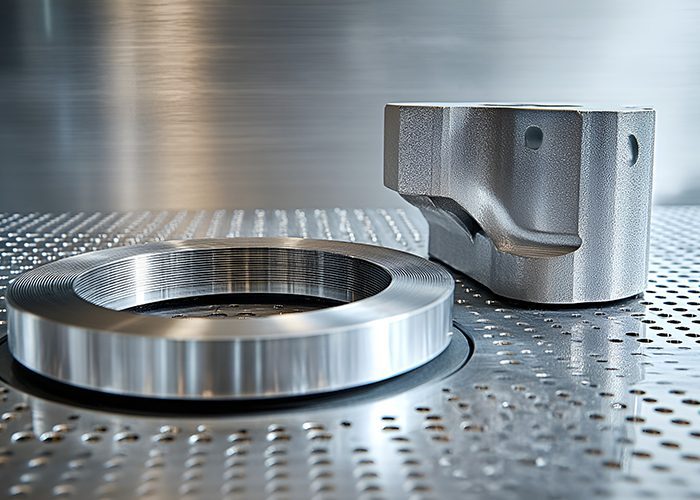
In conclusion, CNC metal turning is far more than just a modern version of the lathe. It is a sophisticated, digitally-driven manufacturing cornerstone that enables the high-precision, high-volume production essential to contemporary technology and industry. By transforming raw metal bar stock into precisely engineered components with minimal waste and maximal efficiency, it underpins everything from the car we drive to the satellite orbiting our planet. As software advances, automation deepens, and machine capabilities expand, CNC turning will continue to be at the forefront of manufacturing innovation, shaping the physical world with digital precision.