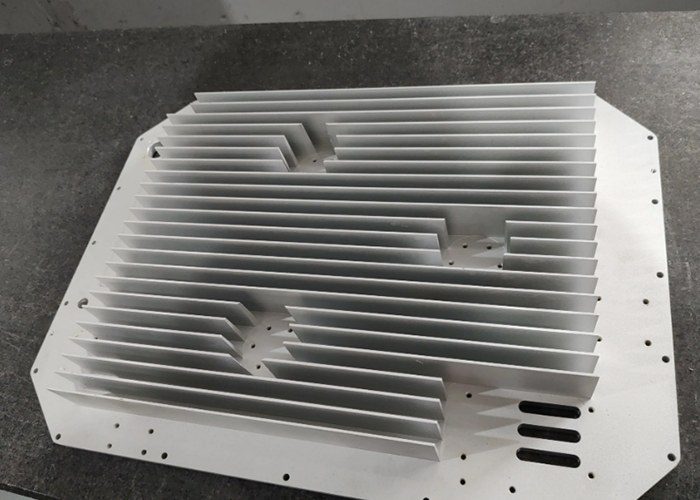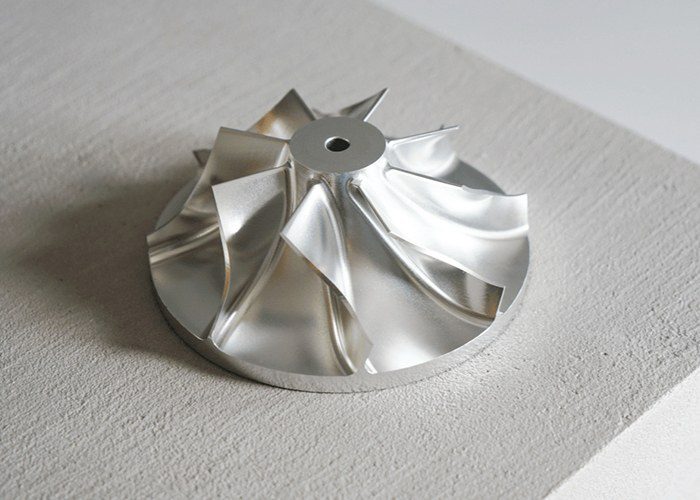
In the intricate dance of modern manufacturing, where microns matter and reliability is paramount, CNC (Computer Numerical Control) machining stands as the undisputed maestro. It is the foundational process behind the creation of precision parts—components so meticulously crafted that they form the silent, flawless backbone of technology we rely on daily. From the smartphone in your pocket to the jet engine soaring overhead, CNC machining precision parts are the unsung heroes of engineering excellence.
CNC machining is fundamentally a subtractive process, where material is removed by automated tools controlled by computer software. This digital blueprint guides mills, lathes, grinders, and routers with extraordinary fidelity, carving, drilling, and shaping raw material—be it metal, plastic, or composite—into a finished part. The term “precision” in this context transcends mere accuracy; it encompasses a holy trinity of manufacturing virtues: dimensional accuracy, geometric complexity, and superior surface finish. Tolerances routinely achieved are measured in micrometers (µm), often down to ±0.005 mm or finer, ensuring that every part is virtually identical to its digital twin. This repeatability is the process’s superpower, enabling mass production of components where consistency is non-negotiable.
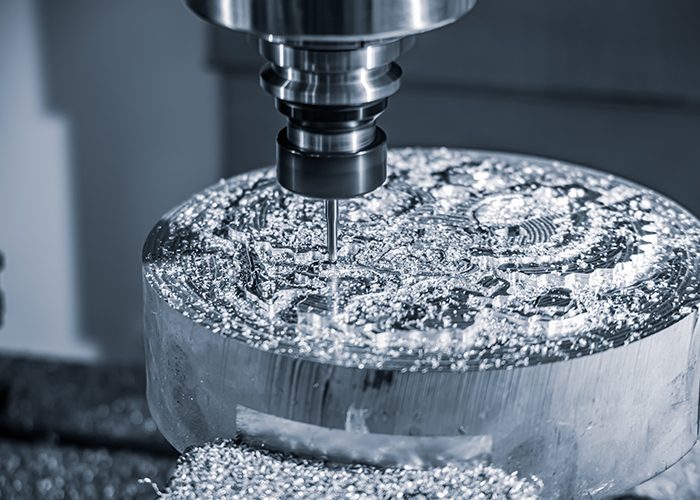
The journey of a precision part begins long before the first tool touches the stock. It starts with advanced Computer-Aided Design (CAD) modeling, where engineers define every contour, hole, and thread with absolute specificity. This model is translated into machine instructions (G-code) through Computer-Aided Manufacturing (CAM) software, which strategizes the toolpaths, selecting the optimal cutting tools, spindle speeds, and feed rates. The CNC machine then executes this plan with robotic consistency, unaffected by human fatigue. Modern multi-axis CNC centers (like 5-axis machines) can manipulate the part along five different axes simultaneously, allowing them to produce astonishingly complex geometries—intricate aerospace manifolds, medical implants mimicking bone structures, or optical components with parabolic surfaces—in a single setup. This reduces errors, saves time, and unlocks design possibilities impossible with conventional machining.
The materials shaped by this process are as critical as the process itself. Precision parts are machined from high-performance alloys (titanium, Inconel), stainless steels, aluminum, engineered plastics (like PEEK), and technical ceramics. Each material presents unique challenges—hardness, thermal conductivity, abrasiveness—which CNC machining is uniquely equipped to handle with tailored tooling and cooling strategies. The resulting parts exhibit exceptional mechanical properties, ready to withstand extreme stresses, temperatures, and corrosive environments.
The applications of CNC machined precision parts are a testament to their vital role. In aerospace and defense, they are found in landing gear assemblies, turbine blades, and satellite components, where failure is not an option. The medical industry depends on them for surgical instruments, orthopedic implants, and diagnostic device housings, requiring biocompatibility and flawless sterility. The automotive sector, especially in high-performance and electric vehicles, uses them for precision engine components, custom powertrain parts, and sensor housings. Furthermore, they are the lifeblood of robotics, semiconductor fabrication equipment, and high-end consumer electronics, enabling the miniaturization and enhanced functionality that define technological progress.
The evolution of CNC machining is continuous, driven by the demands for even greater precision and efficiency. Integration with IoT (Internet of Things) and AI (Artificial Intelligence) enables predictive maintenance, real-time adjustment of machining parameters for optimal tool wear and surface finish, and closed-loop feedback systems that self-correct deviations. Advanced metrology tools, such as in-process Coordinate Measuring Machines (CMM) and laser scanners, provide 100% inspection without halting production, ensuring quality is baked into every step.
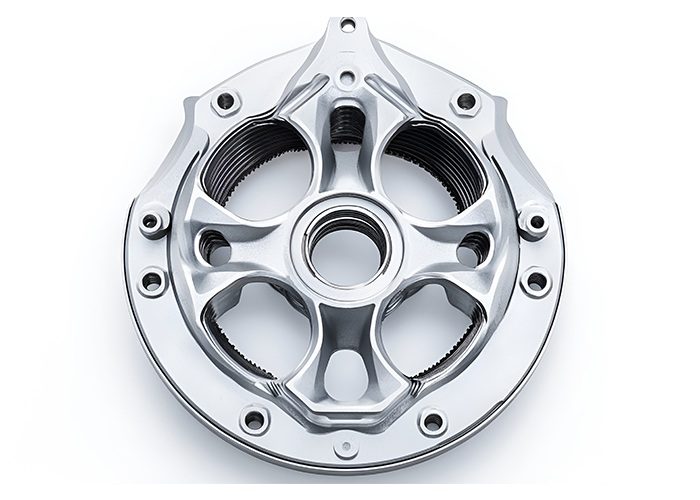
In conclusion, CNC machining for precision parts is far more than a manufacturing technique; it is an enabling discipline that turns revolutionary ideas into tangible, reliable reality. It bridges the gap between digital design and physical perfection, empowering engineers to innovate without constraints. As we venture into an era of increasingly sophisticated technology—from autonomous systems to space exploration and personalized medicine—the quiet, relentless precision of CNC machining will continue to be the cornerstone upon which the future is built, one impeccably crafted component at a time.