
In the intricate world of modern manufacturing, where precision is paramount and efficiency drives progress, CNC (Computer Numerical Control) machining stands as a cornerstone technology. At its heart are the CNC machining components—the tangible, high-precision parts produced through this transformative process. These components are not merely pieces of metal or plastic; they are the fundamental building blocks of innovation, enabling the functionality of everything from everyday devices to advanced aerospace systems. Understanding their nature, production, and significance reveals the depth of their impact on contemporary engineering.
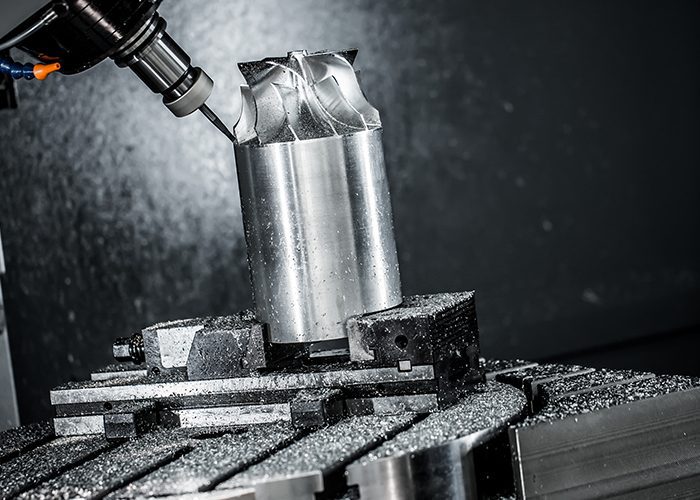
CNC machining components are parts fabricated by subtractive manufacturing, where material is selectively removed from a solid block (the workpiece) using computer-controlled cutting tools. The process begins with a digital 3D model, which is translated into a set of precise numerical instructions (G-code). This code dictates every movement of the cutting tool across multiple axes—be it 3, 4, or 5—allowing for the creation of geometries with astonishing accuracy and repeatability. The resulting components can range from simple brackets and spacers to extraordinarily complex housings, engine parts, surgical instruments, and optical mounts. Materials are equally diverse, encompassing metals like aluminum, stainless steel, titanium, and brass, as well as engineering plastics such as PEEK, Delrin, and nylon.
The defining characteristic of these components is their exceptional precision and consistency. Traditional manual machining is susceptible to human error and variation, but CNC systems produce identical parts, batch after batch, with tolerances often within microns (±0.01mm or tighter). This repeatability is non-negotiable in industries where a minute deviation can lead to catastrophic failure. Furthermore, CNC machining offers unparalleled flexibility in design. It can create intricate internal features, complex contours, sharp corners, and perfect circles that are challenging or impossible to achieve with other methods like casting or forging. The ability to rapidly prototype and iterate designs directly from digital files accelerates development cycles, allowing engineers to test and refine components quickly.
The versatility of CNC machining components is reflected in their ubiquitous application across critical sectors. In aerospace and aviation, components such as turbine blades, landing gear parts, and structural brackets are machined from high-strength, lightweight alloys like titanium and Inconel. Their reliability under extreme stress and temperature is vital for safety. The medical and dental industries rely on biocompatible, sterilizable components for implants, surgical tools, and diagnostic equipment, where surface finish and absolute precision directly impact patient outcomes. The automotive sector, especially in high-performance and electric vehicles, utilizes precision-machined parts for engines, transmissions, suspension systems, and battery housings to enhance efficiency, power, and safety.
Moreover, the rise of robotics, automation, and advanced electronics is deeply intertwined with CNC components. Robotic arm joints, sensor housings, heat sinks for semiconductors, and connectors for communication devices all demand the dimensional stability and fine detail that CNC provides. Even in the development of emerging technologies like renewable energy systems, components for wind turbines and satellite mechanisms are born from CNC machining centers.
However, producing such high-caliber components is a sophisticated synergy of technology and expertise. It requires not just advanced CNC mills, lathes, or Swiss-type machines, but also a deep understanding of machinability, toolpath optimization, cutting forces, and thermal dynamics. Engineers and machinists must select the appropriate tooling, cutting speeds, feed rates, and coolant strategies to ensure optimal surface finish, maintain tight tolerances, and extend tool life. Post-processing operations like deburring, heat treatment, anodizing, or plating are often essential to enhance the component’s properties for its final application.
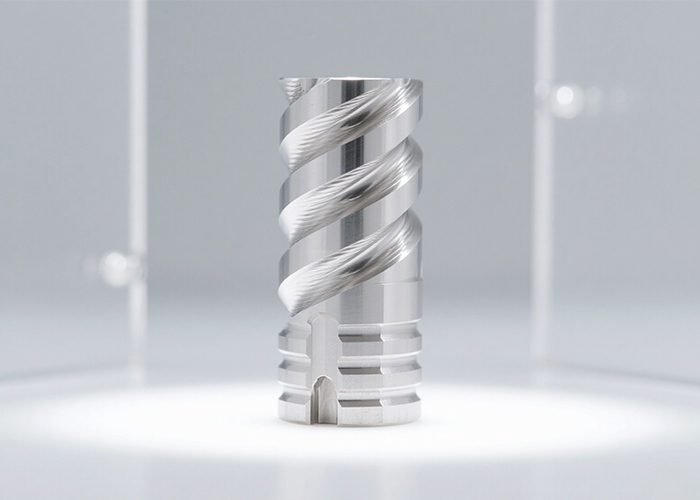
In conclusion, CNC machining components are the silent, yet indispensable, enablers of technological advancement. They embody the transition from digital design to physical reality with a level of accuracy that defines modern engineering standards. From the mundane to the monumental, these precision parts form the structural and functional backbone of countless products and systems that shape our world. As manufacturing evolves with trends like smart factories and the integration of AI for predictive machining, the demand for ever-more sophisticated, reliable, and complex CNC machining components will only intensify, ensuring their continued role at the forefront of industrial production and innovation.


