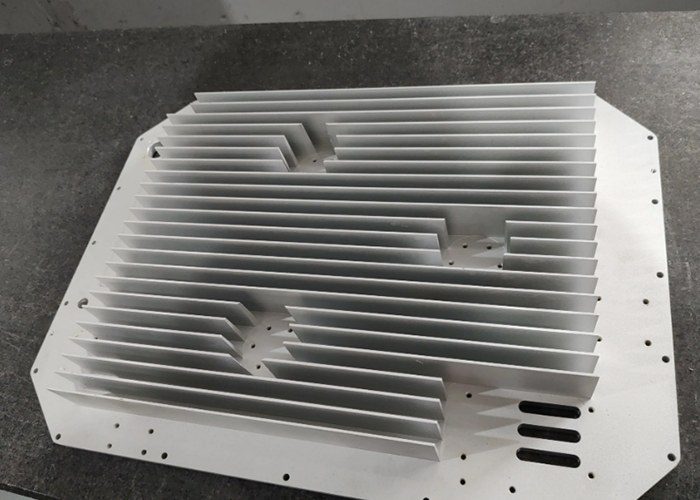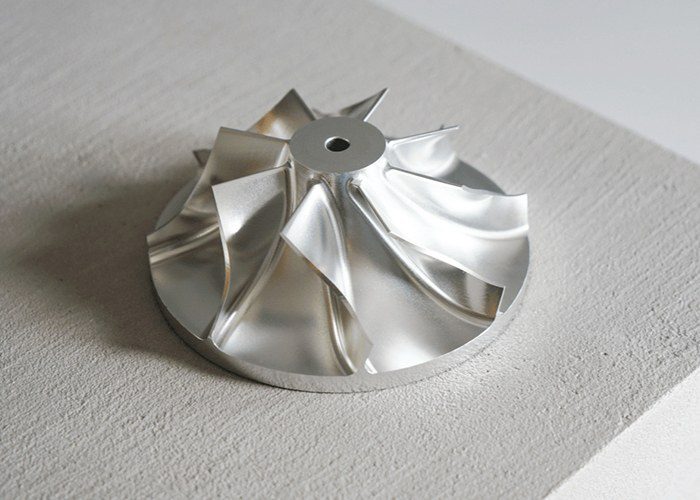
In the realm of modern manufacturing, few processes are as fundamental and transformative as Computer Numerical Control (CNC) milling. When this advanced subtractive manufacturing technique is applied to aluminum, it unlocks a world of possibilities for creating high-precision, complex, and reliable components. CNC milling aluminum parts has become a cornerstone of industries ranging from aerospace and automotive to consumer electronics and medical devices, driven by the unique synergy between the material’s properties and the capabilities of CNC technology.
Aluminum stands out as a preferred material for CNC milling due to an exceptional combination of characteristics. Its excellent strength-to-weight ratio is paramount; parts can be robust without being heavy, a critical factor in aerospace and automotive applications where every gram impacts fuel efficiency and performance. Aluminum alloys like 6061, 7075, and 2024 offer varying degrees of strength, machinability, and corrosion resistance, allowing engineers to select the optimal grade for the application. Furthermore, aluminum possesses good thermal and electrical conductivity, is naturally corrosion-resistant due to its protective oxide layer, and is highly recyclable, aligning with sustainable manufacturing goals. Most importantly for machining, aluminum is inherently soft and ductile, allowing for faster machining speeds, superior surface finishes, and reduced tool wear compared to harder metals like steel or titanium.
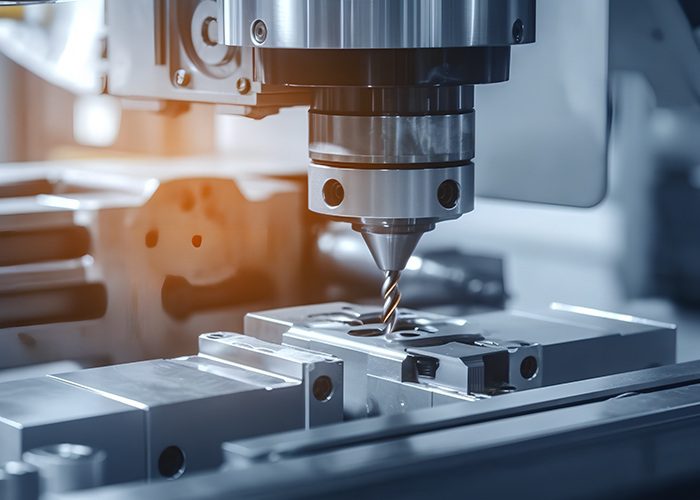
The CNC milling process brings out the best in aluminum. It begins with a digital 3D model (CAD), which is translated into machine instructions (G-code) by CAM software. This code dictates the precise movements of a rotating cutting tool—an end mill—as it removes material from a solid block of aluminum, known as a billet or blank, secured to the machine bed. Modern multi-axis CNC machining centers (3-axis, 4-axis, or 5-axis) can maneuver the tool or the part along multiple planes in a single setup. This capability is crucial for producing aluminum parts with intricate geometries, deep pockets, complex contours, and precise boreholes that would be impossible or prohibitively expensive with manual machining or other processes.
The advantages of CNC milling for aluminum are numerous. Precision and Repeatability: CNC machines operate with micron-level accuracy, ensuring every part is identical to the digital blueprint. This is vital for mass production and applications requiring tight tolerances. Complexity and Flexibility: From simple brackets to elaborate engine components or sleek electronic enclosures, CNC milling can handle designs of virtually any complexity. Design changes are implemented by modifying the CAD/CAM files, offering tremendous flexibility. Efficiency and Scalability: While initial setup and programming require time, once operational, CNC mills can run unattended for hours, producing parts rapidly. The process is efficient for both low-volume prototyping—where it allows for quick design iteration—and high-volume production runs. Superior Surface Finish: The combination of aluminum’s malleability and precise tool paths often results in very fine surface finishes directly from the machine, sometimes eliminating the need for secondary finishing operations.
These benefits translate into real-world applications across critical sectors. In aerospace and aviation, CNC-milled aluminum is used for lightweight structural frames, wing ribs, bulkheads, and unmanned aerial vehicle (UAV) components, where reliability and weight savings are non-negotiable. The automotive and motorsports industries rely on it for engine blocks, cylinder heads, suspension components, and custom parts, prioritizing performance and durability. Consumer electronics leverage the process to create the sleek, perfectly fitting housings for laptops, smartphones, and wearables, often using aluminum for its aesthetic appeal and heat dissipation properties. In robotics and automation, high-strength aluminum alloys are milled into rigid yet lightweight frames, arms, and actuator housings. Even the medical field utilizes CNC-milled aluminum for diagnostic equipment, surgical tool components, and prosthetic devices, benefiting from its sterilizability and precision.
The process does present certain considerations. While aluminum is easy to machine, its softness can lead to issues like built-up edge on cutting tools if parameters are incorrect. Proper chip evacuation is essential to prevent re-cutting of chips and surface defects. Furthermore, aluminum can retain heat; therefore, using appropriate coolants or lubricants is critical to maintain dimensional stability and prevent part warping. Selecting the right alloy, tool geometry, spindle speed, feed rate, and depth of cut are all critical decisions made by skilled machinists and programmers to optimize the process.
Looking ahead, the future of CNC milling aluminum parts is intertwined with broader manufacturing trends. The integration of automation, with robotic part loading and unloading, is enhancing productivity for high-volume runs. Advanced CAD/CAM software with simulation capabilities predicts tool paths and potential errors before metal is cut, saving time and material. The rise of High-Speed Machining (HSM) techniques pushes spindle speeds and feed rates higher, further reducing production time for aluminum components. Additionally, the growing demand for sustainability reinforces aluminum’s position, as its recyclability and the efficient material usage of CNC milling (with chips being fully recyclable) contribute to a circular economy.
In conclusion, CNC milling aluminum parts represents a perfect marriage of a versatile, high-performance material and a powerful, precise manufacturing technology. It is a discipline that blends engineering science with practical artistry, transforming raw metal into the essential building blocks of innovation. As technology advances, this synergy will continue to evolve, enabling the creation of lighter, stronger, and more complex aluminum components that will shape the products and industries of tomorrow.