In the vast landscape of modern manufacturing, a quiet revolution has been unfolding, driven not by colossal factory floors but by the intricate, precise world of small CNC machining. Standing for Computer Numerical Control, CNC machining has long been the backbone of industrial production. However, its application on a smaller scale—small CNC machining—has become a critical enabler of innovation across countless fields, from aerospace and medical devices to consumer electronics and bespoke craftsmanship. This process involves using compact, often highly advanced, machine tools to fabricate exceptionally precise and complex parts from materials like metals, plastics, and composites, guided by digital blueprints.
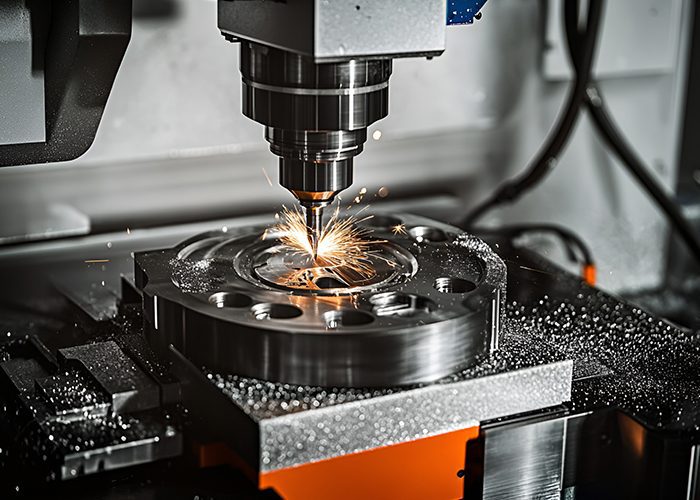
At its core, small CNC machining is about mastering precision on a miniature stage. Machines such as compact vertical machining centers (VMCs), desktop CNC mills, and micro-machining systems operate with tolerances measured in microns (thousandths of a millimeter). This incredible accuracy is non-negotiable in industries where a hair’s breadth can mean the difference between success and failure. A cardiac pacemaker component, a delicate aerospace sensor housing, or the intricate internal structure of a smartphone camera module—all rely on the flawless execution possible only through small CNC processes. The “small” here refers not just to the size of the machines themselves, often fitting into labs or small workshops, but more importantly to the diminutive scale and high complexity of the parts they produce.
The advantages of this technology are manifold. First and foremost is unmatched precision and repeatability. Once a computer-aided design (CAD) model is translated into machine instructions (G-code), the CNC system can reproduce identical parts indefinitely, eliminating human error and ensuring every component meets exact specifications. This is paramount for quality control and mass customization.
Secondly, small CNC machining offers remarkable material versatility. While injection molding might require expensive tooling for specific plastics, a CNC machine can seamlessly switch from machining aluminum to titanium, from PEEK plastic to brass, simply by changing the raw material block and adjusting cutting tools and parameters. This flexibility is ideal for prototyping, low-volume production, and working with specialized, high-performance materials common in engineering and science.
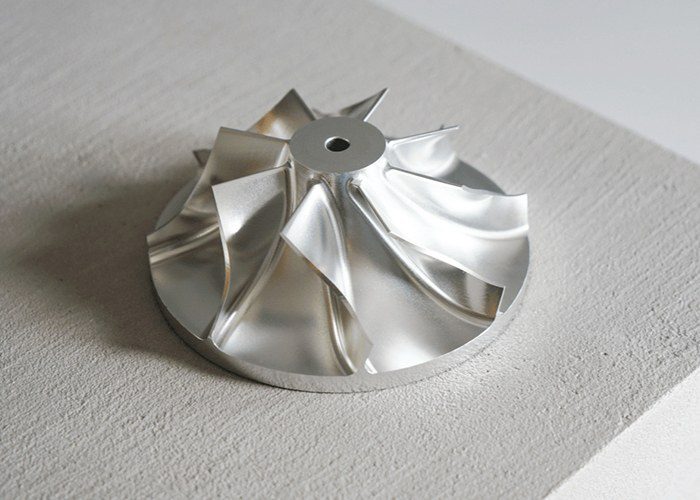
Furthermore, it enables the production of highly complex geometries. Traditional manual machining struggles with intricate internal channels, undercuts, subtle contours, and true 3D shapes. Small CNC machines, with their multi-axis capabilities (often 3-axis, 4-axis, or even 5-axis), can sculpt these complex forms from a solid block of material in a single setup. This “subtractive” manufacturing approach is perfect for creating strong, durable parts with excellent mechanical properties, unlike some additive (3D printing) methods which can introduce weaknesses.
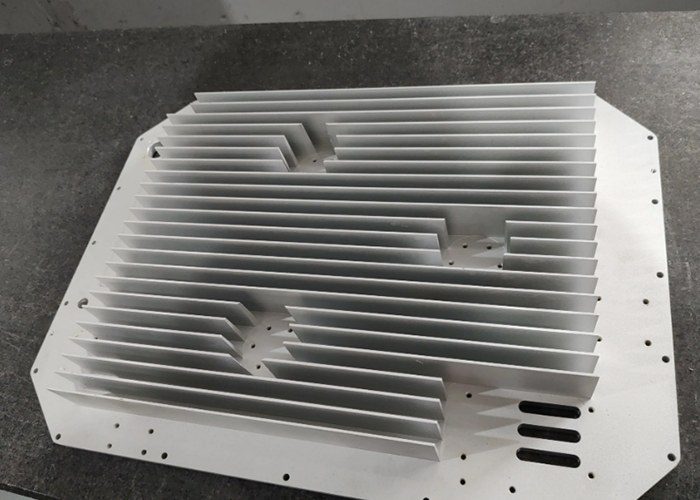
The applications are as diverse as they are impactful. In the medical and dental fields, small CNC machining produces surgical instruments, orthopedic implants, and custom dental prosthetics with biocompatible materials. The electronics industry depends on it for heat sinks, connectors, and miniature enclosures that require perfect fits and electrical shielding. Automotive and aerospace sectors use it for prototyping new engine components, lightweight brackets, and drone parts. Beyond industrial uses, it has democratized high-end manufacturing for startups and inventors, allowing them to develop professional-grade prototypes without the massive capital investment of traditional tooling. Even artists and jewelers employ small CNC machines to create detailed works in metal, wax for casting, or wood.
The pursuit of perfection is fraught with challenges. Operating small CNC machines requires significant expertise in CAD/CAM software, toolpath programming, material science, and machine operation. The initial investment, while lower than industrial-sized systems, is still substantial. Furthermore, the process can be slower for very high volumes compared to dedicated mass-production techniques like stamping or molding, making it most economical for small to medium batch sizes.
Looking ahead, the future of small CNC machining is one of continuous convergence and advancement. Integration with automation—like robotic part loading—and IoT connectivity for predictive maintenance and process monitoring is making small-scale production smarter and more efficient. The synergy with additive manufacturing (3D printing) is particularly exciting; hybrid approaches where a part is roughly formed by 3D printing and then finished to high precision with CNC machining are emerging. Advances in high-speed spindles, micro-tooling, and software simulation are constantly pushing the boundaries of what can be made smaller, more precise, and more complex.
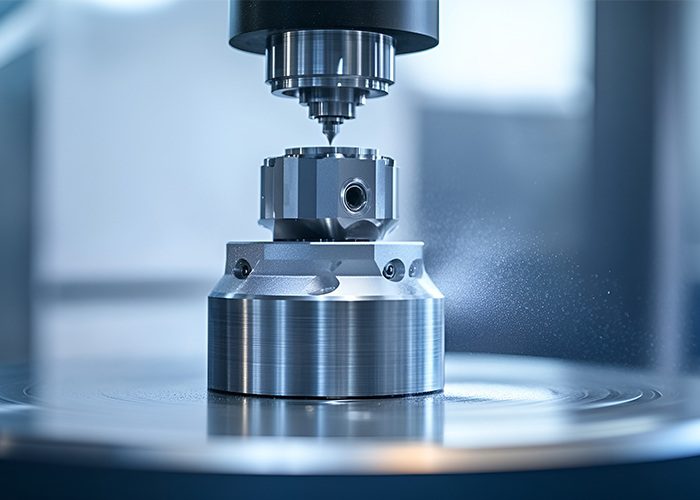
In conclusion, small CNC machining is far more than just a scaled-down version of industrial manufacturing. It is a foundational technology of the micro-digital age, a critical tool that translates innovative ideas into tangible, high-performance reality. By offering a unique blend of precision, flexibility, and strength, it empowers engineers, designers, doctors, and creators to solve problems and build the future, one meticulously crafted miniature component at a time. As technology advances, its role as the silent, precise workhorse of modern innovation will only continue to grow.