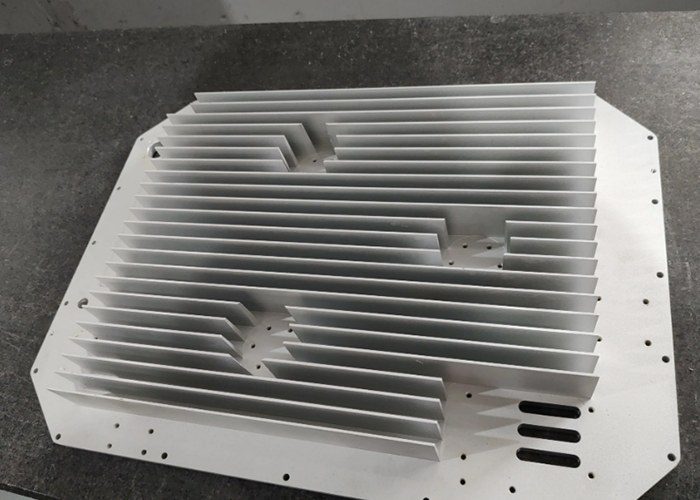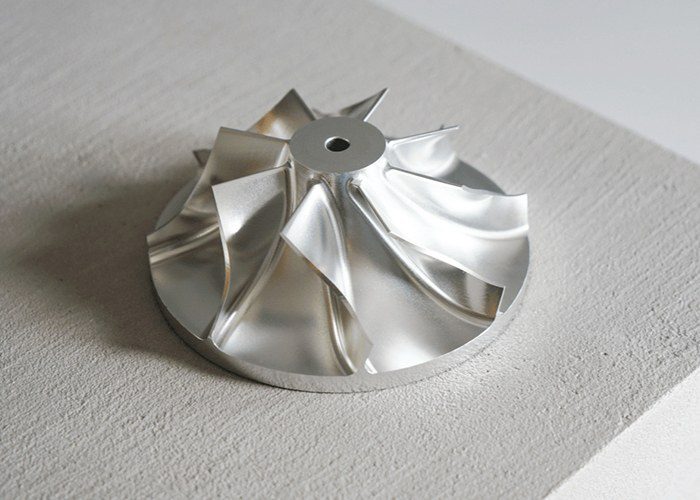
In the vast and intricate world of modern manufacturing, where materials range from ubiquitous plastics to exotic superalloys, brass holds a unique and enduring position. Its warm, gold-like appearance and venerable history might suggest a material of the past, yet it remains indispensable for countless high-precision applications today. The marriage of this ancient alloy with the ultra-modern capabilities of Computer Numerical Control (CNC) machining has unlocked unprecedented levels of precision, efficiency, and reliability in producing brass components. CNC machining of brass parts represents a perfect synergy between a forgiving, versatile material and a controlled, powerful fabrication technology.
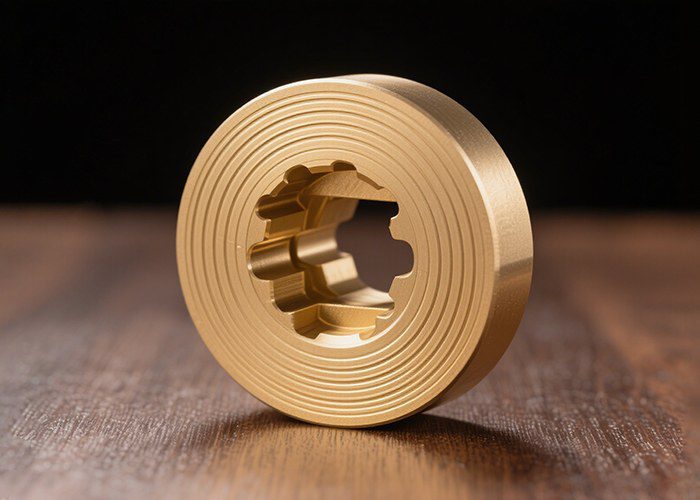
Brass, an alloy primarily of copper and zinc, possesses a combination of properties that make it exceptionally well-suited for machining. One of its key benefits is superior machinability, consistently rated at 100% relative to the industry-standard free-cutting brass C36000. This characteristic allows for high-speed machining, superior surface finishes, and prolonged tool life, as the alloy produces small, breakable chips that clear easily from the cutting zone. Furthermore, brass offers good strength and hardness for its weight, outstanding corrosion resistance—especially against water—and inherent antimicrobial properties. It is highly conductive, both thermally and electrically, and requires no post-machining plating for many applications due to its naturally attractive, non-corrosive finish. These attributes collectively make brass not just easy to work with, but also a high-performance choice for critical components.
CNC machining elevates the processing of brass from simple fabrication to an art form of precision. The process begins with a solid digital 3D model (CAD), which is translated into machine instructions (G-code) that dictate every movement of the cutting tool. A block or rod of brass is securely clamped into the CNC mill or lathe, and the machine executes the program with microscopic accuracy. For brass, machining parameters can be optimized aggressively; high spindle speeds and rapid feed rates are possible due to the material’s free-cutting nature. This leads to shorter cycle times and enhanced productivity. CNC technology allows for the creation of incredibly complex geometries—from intricate threads and undercuts to precise helical channels and miniature features—that would be impossible or prohibitively expensive with manual methods. The consistency is unparalleled: every thousandth part is virtually identical to the first, ensuring mass-produced components that meet tight tolerance specifications, often within ±0.001 inches (±0.025 mm) or better.
The applications of CNC-machined brass parts are vast and critical, spanning industries where reliability, conductivity, and corrosion resistance are paramount. In plumbing and fluid systems, brass is the material of choice for precision valves, fittings, nozzles, and pump components, leveraging its resistance to dezincification and high-pressure integrity. The electrical and electronics industry relies on brass for conductive terminals, connectors, sockets, and RFI/EMI shielding enclosures due to its excellent electrical performance. In marine and architectural hardware, its corrosion resistance ensures the longevity of navigational instruments, decorative fittings, and durable locks. Perhaps most notably, the automotive and aerospace sectors utilize CNC-machined brass for fuel system components, pneumatic valves, sensor housings, and bearings, where precision and failure resistance are non-negotiable. CNC machining creates precision-crafted brass parts—valves, keys, and bespoke fittings—for musical instruments and high-end goods, marrying aesthetic appeal with flawless functionality.
Choosing CNC machining for brass parts offers a compelling array of benefits. The precision and repeatability guaranteed by CNC systems are fundamental for components that must fit and function perfectly every time, in assemblies ranging from medical devices to firefighting equipment. The process offers remarkable design flexibility and complexity, enabling rapid prototyping and the production of parts with intricate internal and external features. While initial setup and programming require expertise, the high-speed machining of brass leads to excellent cost-effectiveness for both medium and high-volume runs, minimizing waste (swarf brass is 100% recyclable) and secondary finishing operations. Finally, the speed from concept to part is accelerated dramatically with CNC, facilitating faster product development cycles and time-to-market.
The future of CNC machining brass is being shaped by several advanced trends. The integration of Automation and Lights-Out Manufacturing is increasingly common, where pallet changers and robotic part handling allow CNC machines to run unattended, machining brass components around the clock. The adoption of Multi-Axis Machining Centers (5-axis or more) enables the complete fabrication of complex brass parts in a single setup, reducing lead times and improving accuracy. Furthermore, a growing emphasis on Sustainable Manufacturing highlights brass’s advantage as a fully recyclable material; CNC processes optimize material usage, and all chips and offcuts can be reclaimed, supporting circular economy principles.
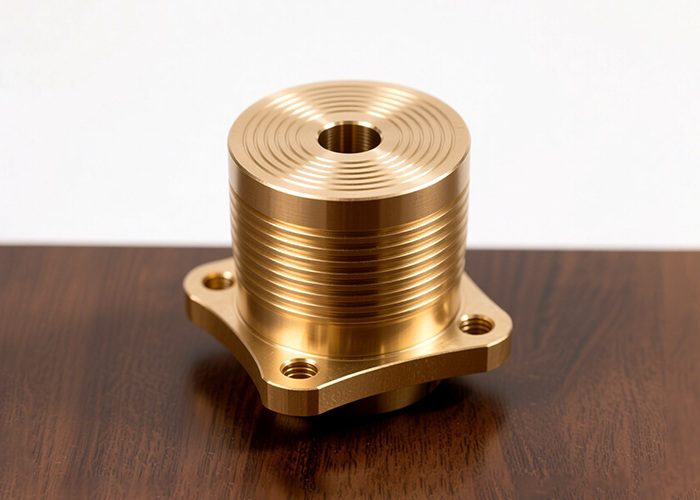
In summary, brass is ideally suited for CNC machining, leveraging the process’s precision and efficiency. This process transforms a classic, dependable alloy into the sophisticated, high-tolerance components that modern technology demands. It bridges the gap between the inherent superb qualities of brass and the digital precision of the 21st century. From the tiny connector in a smartphone to the critical valve in an aircraft’s hydraulic system, CNC-machined brass parts perform silently and reliably, their golden hue a testament to a timeless material continually reinvented by cutting-edge technology. As both CNC capabilities and material science advance, this powerful partnership will continue to be a cornerstone of precision engineering, proving that some traditional materials, when paired with innovation, only become more valuable with time.