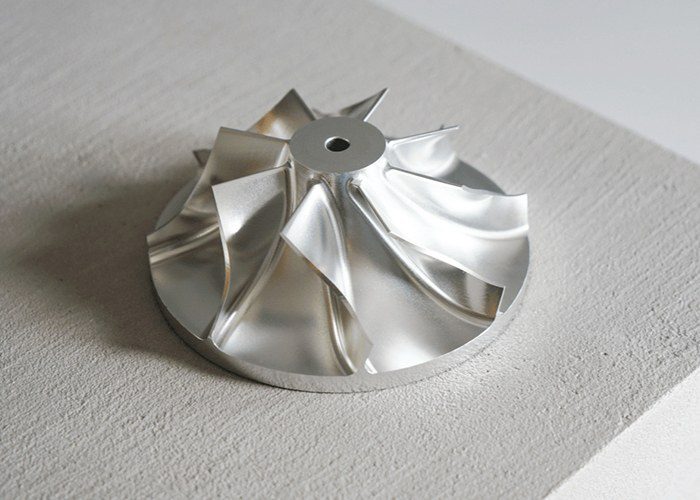
When you hold a sleek smartphone, use a cutting-edge medical device, or rely on a satellite for communication, you are interacting with the pinnacle of electronic innovation. Beneath the surface of this innovation lies a fundamental, often unsung, manufacturing hero: CNC machining. Far from being a legacy process, Computer Numerical Control machining has evolved into the precision backbone of the electronics industry, enabling the complexity, miniaturization, and reliability that define modern technology.
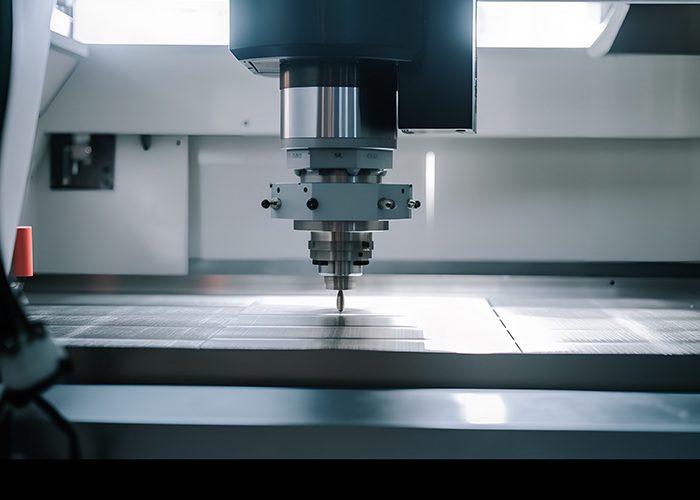
At its core, CNC machining is a subtractive process in which computer programs control factory tools and machinery. This digital blueprint allows for the creation of parts with extraordinary accuracy, repeatability, and complexity from solid blocks of material. For the electronics sector, where margins for error can be measured in microns and design integrity is non-negotiable, these capabilities are not just beneficial—they are essential.
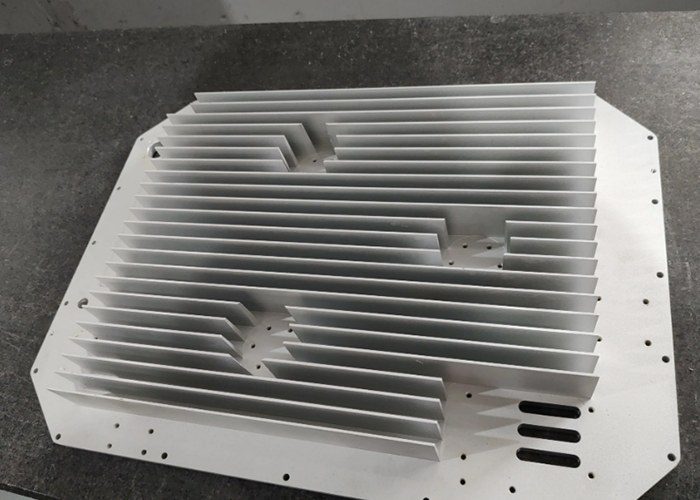
The applications of CNC machining in electronics are vast and critical. Perhaps the most visible are the enclosures and chassis that house our devices. The unibody aluminum frame of a laptop, with its seamless curves, precise port cutouts, and perfect structural integrity, is a testament to CNC’s prowess. It provides electromagnetic interference (EMI) shielding, durability, and the premium aesthetic consumers demand. Similarly, heat sinks—those intricate, finned components—are often CNC-milled from solid aluminum or copper to achieve optimal surface area and thermal pathways, managing the intense heat generated by powerful processors in servers, gaming consoles, and routers.
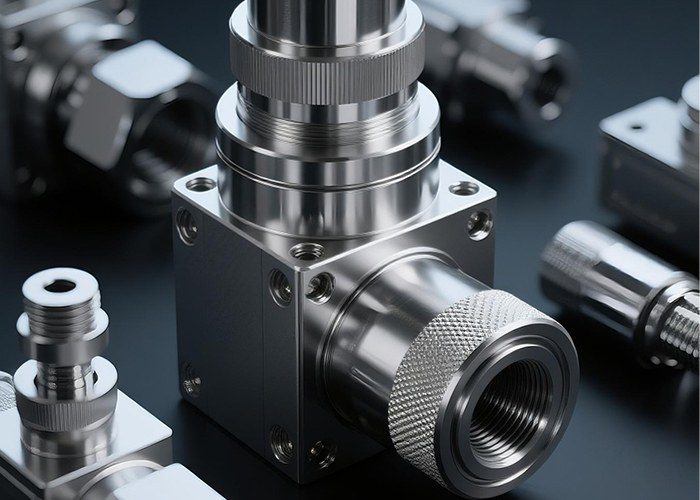
Delving deeper, CNC machining fabricates vital internal components that electronics cannot function without. Connectors and sockets require absolute dimensional precision to ensure flawless electrical contact; a micron-level misalignment can cause failure. Prototyping circuit boards (PCBs), especially for high-frequency RF applications, sometimes involves CNC milling to create precise channels and isolation paths directly on substrate materials. Furthermore, the production of jigs, fixtures, and test probes used in the assembly and testing of electronic devices themselves relies on CNC to guarantee that every smartphone or circuit board is handled and evaluated with perfect consistency.
Material choice is paramount in electronics manufacturing, and CNC machining offers unparalleled flexibility. It expertly processes conductive metals such as aluminum, brass, and copper for use in enclosures and thermal management. For insulating parts, it machines high-performance engineering plastics such as PEEK (for extreme heat and chemical resistance), PTFE (Teflon, for superior dielectric properties), and polycarbonate (for impact-resistant see-through covers). This ability to work with both conductive and insulating materials with equal precision makes CNC an indispensable tool for creating complete electronic assemblies.
While additive manufacturing (3D printing) grows in popularity for prototyping, CNC machining remains dominant for final production and critical components in electronics for several key reasons. First is precision and tolerance: CNC can hold tolerances within ±0.0002 inches (±0.005 mm), far surpassing most 3D printing technologies, which is crucial for parts that must fit together perfectly in a compact device. Second is material integrity: CNC parts are made from solid, homogeneous materials with superior mechanical properties, thermal conductivity, and electrical characteristics compared to the layered, often porous, structures of 3D-printed parts. Third is surface finish: CNC can produce ready-to-use, smooth, and sealed surfaces directly from the machine, essential for aesthetic parts and proper EMI shielding, whereas 3D-printed parts often require extensive post-processing.
The synergy between CNC and electronics is driving future trends. As devices shrink further into wearables and implantable med-tech, CNC machines are producing ever-smaller, more complex micro-components. The rise of 5G and the Internet of Things (IoT) demands new antenna designs and enclosures that manage higher frequencies, a task perfectly suited to CNC’s precision. Moreover, CNC is crucial in developing the infrastructure for next-generation electronics, machining the ceramic chambers for semiconductor fabrication equipment and the precise components for quantum computing systems.
In conclusion, CNC machining is far more than a mere manufacturing step in the electronics world; it is a fundamental enabling technology. It bridges the gap between digital design and physical reality with unmatched fidelity, providing the structural, thermal, and connective foundation upon which innovation is built. From the device in your pocket to the most advanced aerospace system, CNC machining ensures that the hardware of the digital age is not only intelligent but also impeccably crafted, durable, and reliable. It is, without exaggeration, the precision backbone of our technological present and future.