
The modern automobile is a symphony of complex systems, a marvel of engineering where performance, safety, efficiency, and aesthetics converge. At the heart of manufacturing these sophisticated machines lies a foundational technology: Computer Numerical Control (CNC) machining. For the automotive industry, CNC machining is not merely a production option; it is an indispensable pillar enabling the precision, flexibility, and innovation required to build today’s and tomorrow’s vehicles.
The Engine of Precision: Core Applications
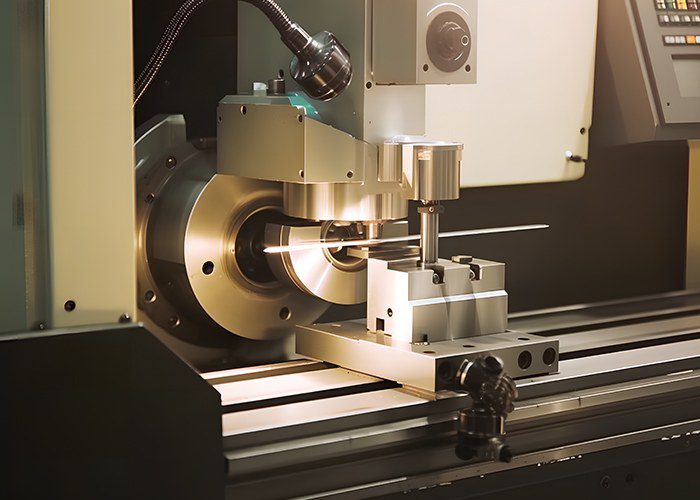
CNC machining’s dominance in automotive manufacturing stems from its unparalleled ability to produce highly accurate, repeatable, and complex parts from a vast array of materials. Its applications permeate every corner of a vehicle:
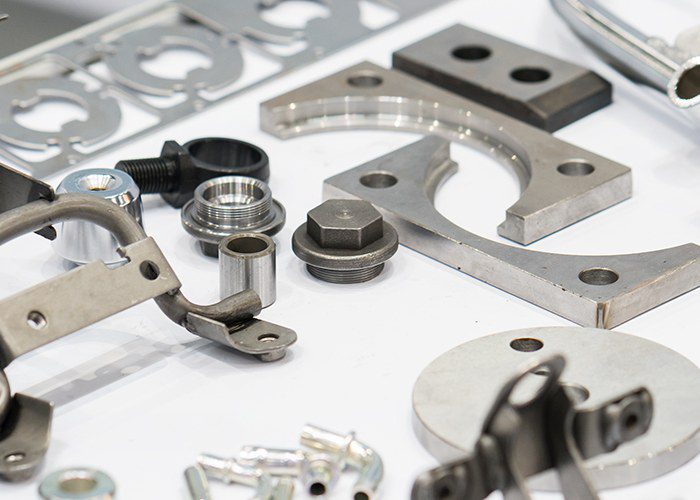
- Powertrain and Engine Components: This is where demands are highest. Cylinder heads, engine blocks, crankshafts, camshafts, and connecting rods all require microscopic tolerances, exceptional surface finishes, and the ability to withstand extreme temperatures and pressures. CNC milling and turning centers sculpt these critical components from blocks of aluminum alloy, cast iron, or steel, ensuring perfect sealing, optimal combustion, and long-term durability. The intricate coolant passages within an engine block, for instance, would be nearly impossible to achieve consistently without multi-axis CNC machining.
- Transmission Systems: The complex gears, shafts, and housings of both manual and automatic transmissions demand absolute precision for smooth power delivery and efficiency. CNC gear hobbing and shaping create perfectly meshed gears, while CNC turning and milling produce shafts and housings that maintain precise alignment under load, minimizing power loss and wear.
- Suspension and Chassis Parts: Components like control arms, steering knuckles, brake calipers, and brackets are subject to constant stress and vibration. CNC machining produces these safety-critical parts from high-strength materials with the exacting geometries needed for optimal handling, ride comfort, and structural integrity. The lightweighting of suspension components through complex, strength-optimized designs is a task perfectly suited to CNC’s capabilities.
- Interior and Exterior Amenities: Beyond the drivetrain, CNC machining adds value and sophistication. It creates precise molds for plastic interior trim, dashboards, and light housings. It machines aluminum or stainless steel for decorative trim, emblem badges, and custom alloy wheels. Even prototypes for new body panels or interior concepts are often first realized as precisely machined models.
- The Electric Vehicle (EV) Revolution: CNC machining has seamlessly transitioned into the era of electrification. It is crucial for manufacturing housings for electric motors, intricate components for battery cooling plates, power electronic enclosures, and lightweight structural parts that offset heavy battery packs. The thermal management systems vital to EV batteries rely on complex manifolds and plates machined to exacting standards.
Why CNC Machining is the Automotive Industry’s Workhorse
Several key advantages solidify CNC machining’s central role:
- Extreme Precision and Consistency: CNC machines operate with tolerances measured in microns. This repeatability is non-negotiable in automotive manufacturing, where a fraction of a millimeter can affect engine performance, safety, or NVH (Noise, Vibration, and Harshness) levels. Every part in a batch is virtually identical, ensuring assembly line efficiency and vehicle reliability.
- Material Versatility: The process handles everything from lightweight aluminum and tough titanium alloys to cast iron, engineering plastics, and composites. This allows engineers to select the ideal material for each part’s function without being constrained by manufacturing limitations.
- Complex Geometry Capability: With 5-axis CNC machining, parts with deeply contoured surfaces, undercuts, and internal channels can be produced in a single setup. This enables more integrated, lightweight, and efficient designs that would require multiple assemblies using traditional methods.
- Scalability and Flexibility: While perfect for high-volume production of standardized parts, CNC machining is equally adept at low-volume runs. This makes it ideal for prototyping, producing custom aftermarket parts, and manufacturing components for luxury or limited-edition vehicles. A simple change in the digital program allows a machine to produce a different part, offering tremendous agility.
- Superior Surface Finish and Strength: Compared to casting or forging alone, CNC machining can provide a ready-to-assemble finish. Furthermore, parts machined from solid billet material often exhibit superior grain structure and strength compared to cast counterparts, an important factor for high-stress components.
The Road Ahead: Integration and Innovation
The future of CNC machining in the automotive sector is one of deeper integration and smarter processes. The rise of lights-out manufacturing—where fully automated CNC cells run unattended—enhances productivity. Advanced CAD/CAM software allows for simulation and optimization of machining paths before metal is cut, reducing errors and development time.
Most significantly, CNC machining is becoming a core component of the digital thread and Industry 4.0. Machines equipped with sensors provide real-time data on tool wear, part dimensions, and machine health, enabling predictive maintenance and ensuring quality control. This data integration allows for a seamless flow from digital design to physical part, supporting agile development cycles and mass customization trends.
Conclusion
From the roar of a high-performance engine to the silent hum of an electric motor, the quality and capability of an automobile are fundamentally shaped by the precision of its components. CNC machining provides the technological foundation for this precision. It is the silent, relentless force that translates ambitious automotive designs into reliable, high-performing reality. As the industry accelerates toward electrification, autonomy, and greater customization, the adaptability, precision, and intelligence of CNC machining will ensure it remains an essential driver of automotive innovation for miles to come.


