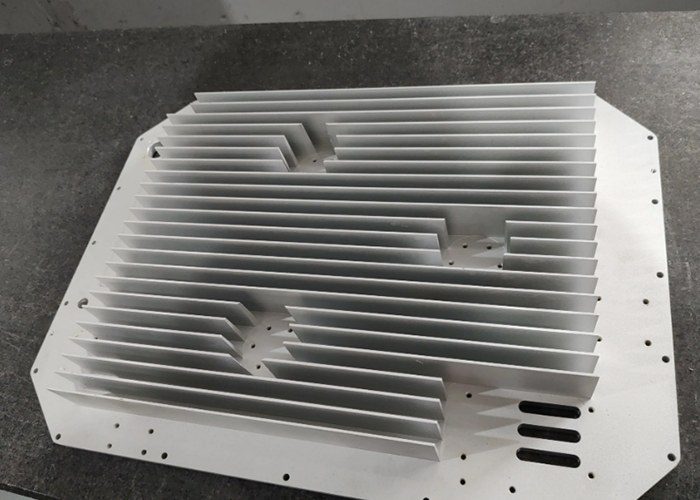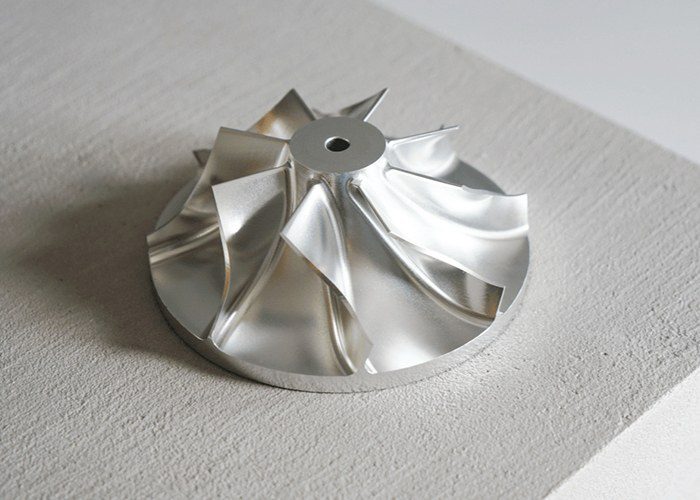
In the world of motorcycling, where performance, reliability, and aesthetics converge, the shift from mass-produced components to precision-crafted parts represents more than a trend—it is a fundamental evolution. At the forefront of this transformation is Computer Numerical Control (CNC) machining, a subtractive manufacturing process that has redefined the standards for aftermarket and custom motorcycle components. CNC machined motorcycle parts are not merely accessories; they are the embodiment of engineering excellence, offering unparalleled advantages in strength, precision, and customization that directly translate to enhanced riding dynamics and machine longevity.
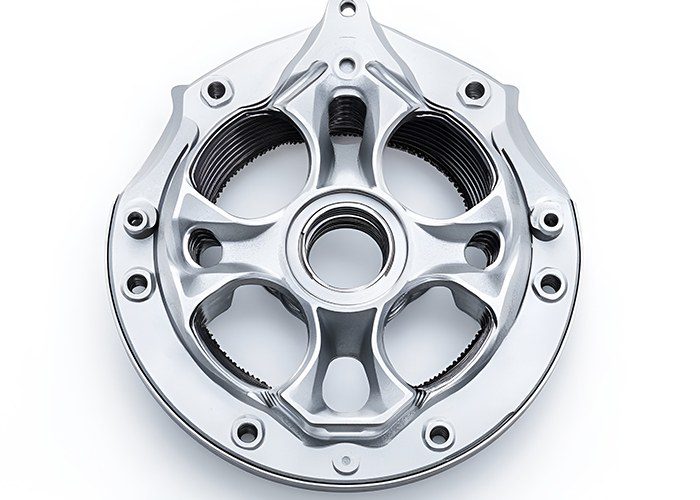
The essence of CNC machining lies in its process. A digital 3D model guides automated, high-precision cutting tools—mills, lathes, routers—to sculpt a solid block of raw material, known as a billet, into a finished part with microscopic accuracy. This method stands in stark contrast to casting or forging, which involve molds and high pressures. For critical motorcycle applications, this precision is non-negotiable. Components like triple tree clamps, rear sets, brake caliper brackets, and sprocket carriers require exact tolerances. A misalignment of even a few thousandths of an inch can lead to handling instability, premature wear, or catastrophic failure. CNC machining guarantees consistency, ensuring that every single part produced is a perfect replica of the digital design, eliminating the variances inherent in manual processes or less precise manufacturing techniques.
Material selection is a critical synergy with the CNC process. The technique excels with high-strength, durable materials essential for motorcycle performance. Aerospace-grade aluminum alloys, such as 6061-T6 and 7075, are favorites for their exceptional strength-to-weight ratio. CNC machining allows these alloys to be hollowed out and shaped into incredibly light yet rigid structures, reducing unsprung and rotational mass. This directly improves acceleration, braking, and suspension response. For applications demanding extreme durability, like engine covers or drive components, CNC machining works seamlessly with stainless steel, titanium, and even billet brass, offering corrosion resistance and fatigue strength that far surpasses their cast counterparts.
The performance benefits are tangible and multifaceted. Weight Reduction: By strategically removing material only where it is not needed, CNC parts achieve significant weight savings without compromising strength. Lighter wheels, foot controls, and lever assemblies make the motorcycle more agile and responsive. Enhanced Strength: Billet parts, machined from a solid block, have a continuous grain structure free from the porosity or potential weak points found in castings. This results in components that can withstand higher stress, vibration, and impact loads, crucial for both street and competitive use. Improved Functionality: CNC allows for intricate designs that integrate multiple functions. A master cylinder cap can incorporate a sight glass; a rear set can have adjustable lever positions; a clutch cover can feature integrated oil galleries. This leads to cleaner builds, reduced parts counts, and superior ergonomics.
Beyond pure engineering, CNC machining unleashes a new realm of aesthetic and customization potential. The signature look of a finely machined part—with its crisp edges, perfect radii, and intricate detailing—has become a hallmark of quality in custom bike building. The surface finishes achievable, from a brushed satin to a mirror polish or vibrant anodized colors, allow builders to express individuality and create a cohesive visual theme. For riders and fabricators, the ability to design and produce one-off parts or small batches is revolutionary. Whether it’s a unique axle adjuster, a custom-mount ignition relocation plate, or a redesigned top yoke for a specific handlebar setup, CNC technology makes bespoke fabrication accessible, turning conceptual designs into functional reality.
The application spectrum is vast. In the engine and drivetrain, CNC-machined valve covers, oil pump gears, and clutch baskets improve reliability and efficiency. Braking systems benefit from precisely machined caliper mounts and lever pivots that eliminate flex and improve feel. The chassis and suspension see dramatic improvements with CNC-machined fork bottoms, steering stems, and swingarm pivot blocks that enhance rigidity and alignment. Even controls and accessories, such as switch housings, bar ends, and fluid reservoirs, gain a level of refinement and durability that elevates the entire riding experience.
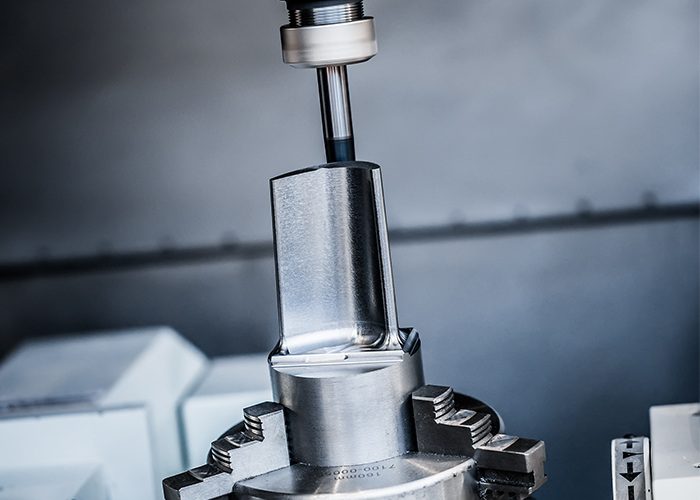
In conclusion, CNC machined motorcycle parts represent the pinnacle of modern manufacturing meeting the passionate demands of riders and builders. They are the intersection of digital design integrity, material science, and mechanical artistry. For those who view their motorcycle not just as transportation but as an extension of skill and personality, these components offer more than an upgrade—they offer transformation. They provide the confidence of absolute reliability, the thrill of sharpened performance, and the pride of owning a machine where every detail is intentionally crafted. In the relentless pursuit of two-wheeled perfection, CNC machining is not just a tool; it is the essential language of precision, speaking directly to the heart of what makes motorcycling an enduring obsession.