In the fast-paced world of product development, speed to market can make or break a competitive edge. Engineers and designers constantly seek methods to transform digital concepts into physical, testable metal parts without the long lead times and high costs of traditional production. Enter rapid prototyping using CNC machining for metal components—a manufacturing approach that marries the precision of computer numerical control with the agility required for iterative design. This article explores how CNC-based rapid prototyping is reshaping metal part development, its distinct advantages over additive methods, key applications, and the challenges that come with it.
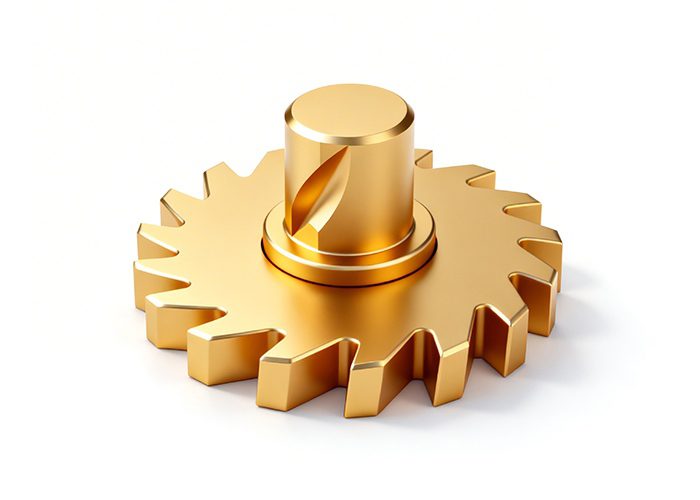
Traditional prototyping methods for metal parts, such as investment casting or hard tooling, often require weeks or months of setup. CNC machining, however, bypasses tooling entirely. By directly cutting a solid block of metal—aluminum, stainless steel, titanium, brass, or even specialty alloys—based on a CAD model, CNC machines produce functional prototypes in days or even hours. This “subtractive” approach offers immediate benefits: parts are made from the exact production-grade material, with surface finishes and mechanical properties identical to final components. For industries like aerospace, automotive, and medical devices, where material integrity is non-negotiable, this fidelity is invaluable.
One of the greatest strengths of rapid prototyping CNC metal parts is material versatility. Unlike metal additive manufacturing (3D printing), which struggles with certain alloys and often requires post-printing heat treatment or hot isostatic pressing to eliminate porosity, CNC machining works with virtually any machinable metal in its wrought form. The resulting prototypes exhibit no internal voids or anisotropic properties; they are dense, strong, and ready for real-world testing under stress, temperature, or corrosion. Engineers can confidently perform functional tests, assemble prototypes into larger systems, and even subject them to destructive analysis—knowing the data reflects what production parts will deliver.
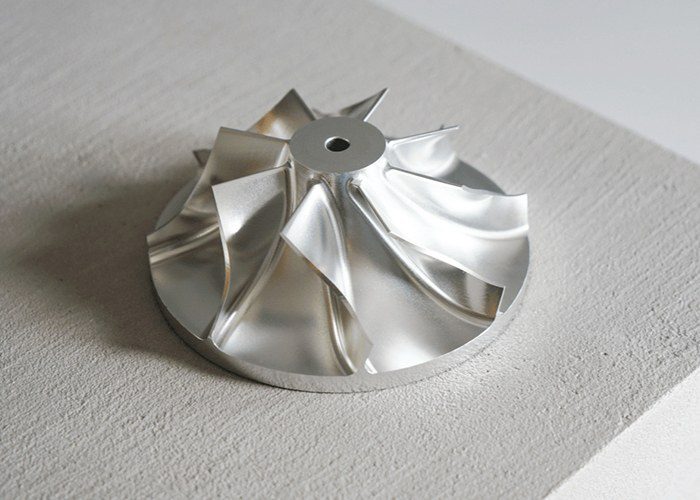
Another key advantage is precision and surface quality. Modern multi-axis CNC mills and lathes achieve tolerances of ±0.005 mm or better, with surface finishes as fine as 0.4 μm Ra. This eliminates secondary finishing operations common in 3D-printed metal parts, such as support removal, reaming, or polishing. For prototypes that need to fit into existing assemblies or simulate tight mechanical interfaces, CNC machining is often the only viable option. Additionally, there are no size limitations imposed by a powder bed; large metal prototypes (e.g., automotive brackets, robotic arms, or structural housings) can be machined on standard vertical or horizontal machining centers.
Speed, however, is the defining “rapid” factor. With automated CAM toolpaths and high-speed machining strategies, a complex metal part that would take a week via additive manufacturing (including printing, cooling, support removal, and heat treatment) can be machined in one day. For design iterations, a revised CAD file can be machined overnight and delivered the next morning. This agility accelerates learning cycles: a flawed design discovered during Monday’s test can be corrected and re-prototyped by Wednesday. Many CNC prototyping services now offer online quoting with lead times as short as 24–48 hours for standard alloys.
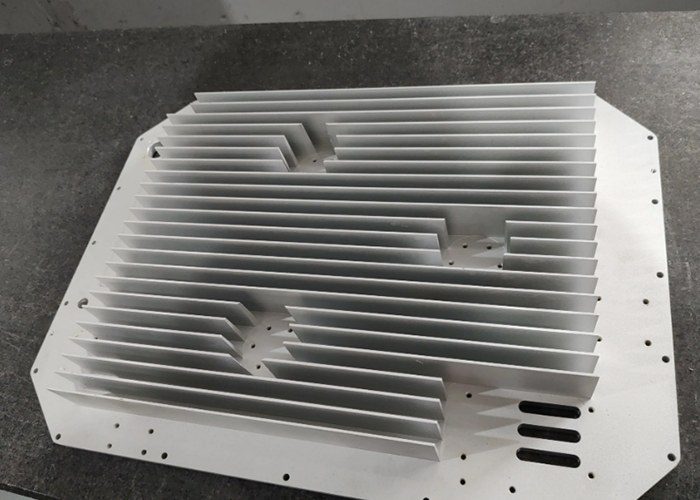
Applications are widespread. In medical device development, CNC-machined titanium or stainless steel prototypes of surgical tools, orthopedic implants, or instrument housings allow for rigorous sterilization and biocompatibility testing. In motorsports, aluminum and magnesium prototypes of suspension components, gearbox casings, or brake calipers are machined to validate weight, strength, and thermal performance before committing to casting dies. Consumer electronics benefit from rapid CNC prototypes of metal enclosures, heat sinks, and internal frames—enabling fit checks with PCBs and batteries. Even the aerospace industry, known for stringent certification, uses CNC prototypes for engine brackets, hydraulic manifolds, and airframe fittings to conduct wind tunnel tests or flight demonstrations.
However, rapid prototyping with CNC is not without limitations. Subtractive machining generates material waste (chips), which is acceptable for small prototypes but can be cost-prohibitive for expensive alloys like Inconel or titanium—though recycling offsets some cost. Complex internal geometries, such as conformal cooling channels or lattice structures, are difficult or impossible to machine without advanced multi-axis equipment and specialized tooling. For such features, metal additive manufacturing remains superior. Additionally, setup time for very small or intricate parts may exceed the cutting time, making CNC less economical for high-mix, low-volume runs of tiny components. Skilled programmers are also required to optimize toolpaths, fixture designs, and tool selections—though modern CAM software and automated workholding solutions are reducing this barrier.
To maximize the benefits, many product developers adopt a hybrid approach: use CNC machining for metal parts that demand tight tolerances, smooth finishes, or production-grade material properties; use metal 3D printing for internal complexity or extreme lightweighting; and use both methods in parallel to de-risk development. Some advanced machine shops now integrate CNC with additive heads (laser metal deposition) to repair or modify prototypes, blending the best of both worlds.
Looking ahead, rapid prototyping CNC metal parts will only become faster and more accessible. High-speed spindles, automated tool changers, and in-process probing already reduce cycle times. The rise of cloud-based CNC prototyping services, with real-time DFM feedback and automated quoting, democratizes access for startups and solo inventors. Machine learning algorithms that predict tool wear and optimize cutting parameters further boost reliability. And as 5-axis CNC machines become more affordable, even undercuts and complex contours can be prototyped without multiple setups.
In conclusion, rapid prototyping via CNC machining is a proven, powerful strategy for developing metal parts when speed, material fidelity, and precision are paramount. It offers a direct, reliable path from CAD to physical component, enabling rigorous testing and iterative improvement without sacrificing material integrity. While not a universal solution for every geometry, for the vast majority of functional metal prototypes—brackets, housings, shafts, plates, and fittings—CNC remains the gold standard. By understanding its strengths and limitations, engineers can deploy it effectively within their development workflow, turning design ideas into metal reality in record time.