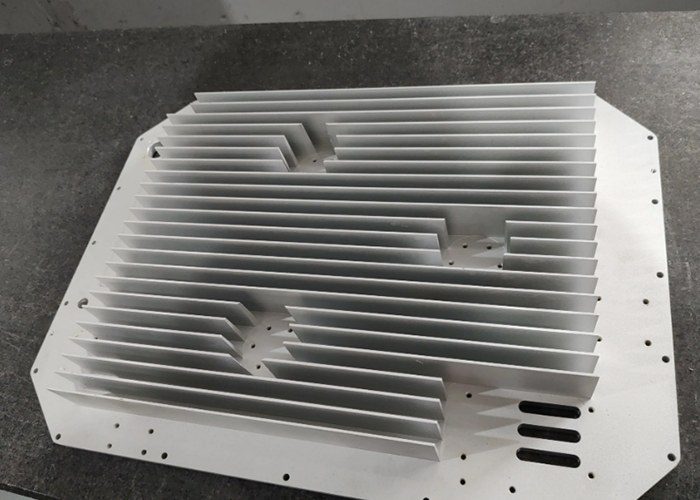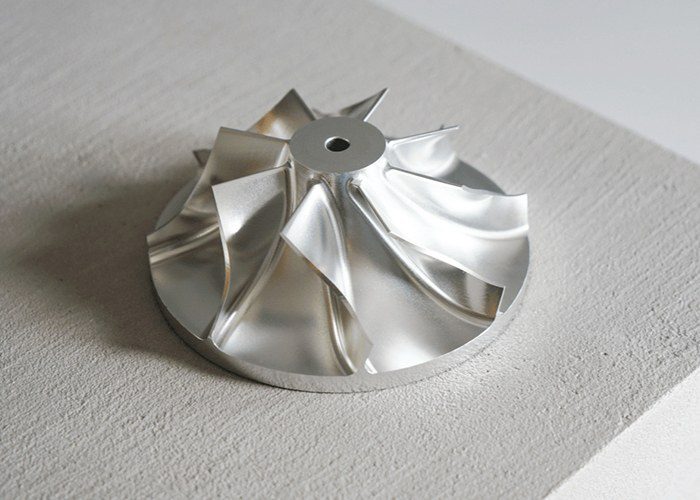
In the silent, high-stakes world of modern manufacturing, the hum of a Computer Numerical Control (CNC) machine is the heartbeat of progress. Behind every sleek smartphone, every reliable automotive engine, and every life-saving surgical tool lies the meticulous work of a specialized entity: the CNC Machining Manufacturer. These companies are far more than simple job shops; they are the architectural bridge between a digital design and a physical reality. As global supply chains demand tighter tolerances and faster turnarounds, understanding the value proposition of a top-tier CNC machining manufacturer is essential for any engineer or procurement specialist.
The Shift from Manual Mastery to Digital Precision
Historically, machining was an art form dependent on the steady hand of a master craftsman. The advent of CNC technology transferred that skill from the human hand to the digital code. However, owning the machinery does not automatically grant proficiency. A reputable CNC machining manufacturer distinguishes itself through its ability to master the “controller”—the brain that directs the spindle.
Today’s leading manufacturers utilize 5-axis machining centers. Unlike standard 3-axis machines that require multiple set-ups, 5-axis technology allows a part to be machined from five sides in a single operation. This capability is the gold standard. It not only accelerates production but also drastically improves accuracy by eliminating the cumulative errors that occur when a part is unclamped and repositioned manually. For industries like aerospace and defense, where a tolerance deviation of 0.0001 inches can mean mission failure, this level of control is non-negotiable.
Material Mastery and Application
One of the primary challenges a CNC machining manufacturer faces is material science. Different alloys react differently to heat, stress, and tool wear. While a generic shop might excel at cutting aluminum 6061, a high-quality manufacturer demonstrates expertise across a diverse spectrum.
Consider the complexity of machining Inconel, a super-alloy used in jet engines. Inconel work-hardens rapidly; if the tool doesn’t cut aggressively enough, the surface hardens and destroys the cutting edge. Conversely, machining medical-grade stainless steel (316L) requires different speeds, feeds, and coolant strategies to prevent contamination and ensure a mirror finish. The best manufacturers do not rely on default settings. They employ specialized tooling paths, high-pressure coolant systems, and rigorous chip management to handle everything from resilient titanium to soft, gummy plastics like Delrin.
Quality Assurance: Beyond the Calliper
A critical component of the CNC manufacturer’s role is Quality Assurance (QA). In a modern facility, QA is not an afterthought; it is integrated into the workflow. Leading manufacturers operate within strict ISO 9001:2015 or AS9100D (Aerospace) certifications.
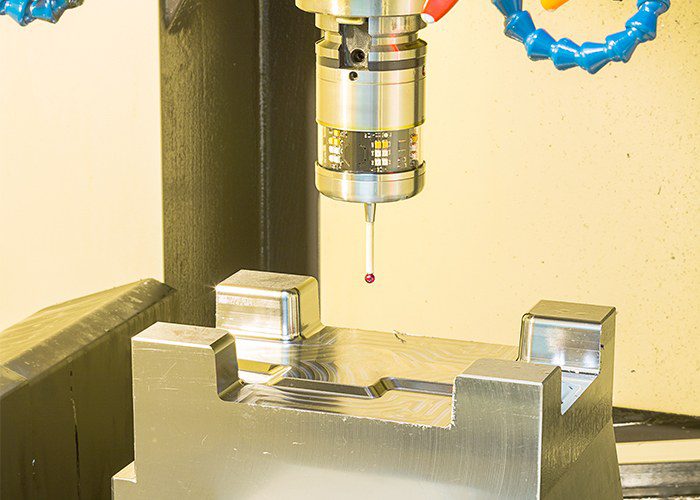
However, the true differentiator lies in the inspection equipment. While basic shops use manual micrometers and callipers, advanced manufacturers utilize Coordinate Measuring Machines (CMM) and optical comparators. A CMM uses a probe to touch hundreds of points on a part, generating a digital map that compares the physical object to the CAD model. Furthermore, the adoption of in-process probing allows the machine to measure a feature mid-cycle and automatically adjust the tool offset for the next part. This “closed-loop” system ensures that the first part off the line is as perfect as the thousandth.
The Economic Logic: Prototyping vs. Production
A strategic advantage of partnering with a specialized CNC machining manufacturer is flexibility in volume. Unlike injection molding, which requires a prohibitive $10,000+ mold upfront, CNC machining is agile.
For prototyping, a manufacturer can produce a single critical component in 24 to 48 hours, allowing engineers to test form and fit without financial ruin. For low-to-mid volume production (typically 50 to 5,000 units), CNC machining is often the “sweet spot.” It offers the strength of metal without the lead time or overhead of hard tooling. A skilled manufacturer will consult with the client to implement “Design for Manufacturability” (DFM) changes—such as adding fillets to internal corners or standardizing hole sizes—that reduce cycle times and lower the per-unit cost without sacrificing structural integrity.
Navigating Global Supply Chains
In the current economic climate, reshoring and supply chain resilience are paramount. Working with a domestic or highly responsive CNC machining manufacturer mitigates the risks of overseas shipping delays and tariff volatility. Moreover, communication clarity reduces errors. When a blueprint calls for a “cryptic weld prep,” a conversation with the machinist on the floor can prevent a costly scrap.
The Future: Automation and AI Integration
The CNC machining manufacturer of tomorrow is already emerging today. Automation is moving beyond simple bar feeders. We now see “lights-out manufacturing”—robotic arms that load raw stock and unload finished parts, allowing the factory to run unattended for 12 or 24 hours.
Artificial Intelligence is also beginning to play a role. Algorithms can analyze the sound and vibration of a cut (chatter) and adjust feed rates in real-time to prevent tool breakage. These “smart” machines will eventually predict tool wear days in advance, alerting the manufacturer to order a new drill bit before the current one fails.
Conclusion
Choosing a CNC machining manufacturer is not a commodity purchase; it is a partnership in precision. It requires finding a partner who understands metallurgy, owns the latest multi-axis kinematics, and treats a CMM report with the same gravity as a production deadline. Whether you need a single iteration of a medical implant or a thousand components for a robotic actuator, the right manufacturer turns a digital ghost into a tangible, durable asset. In the factory of the future, the code is king—but the CNC machinist and the manufacturer remain the power behind the throne.