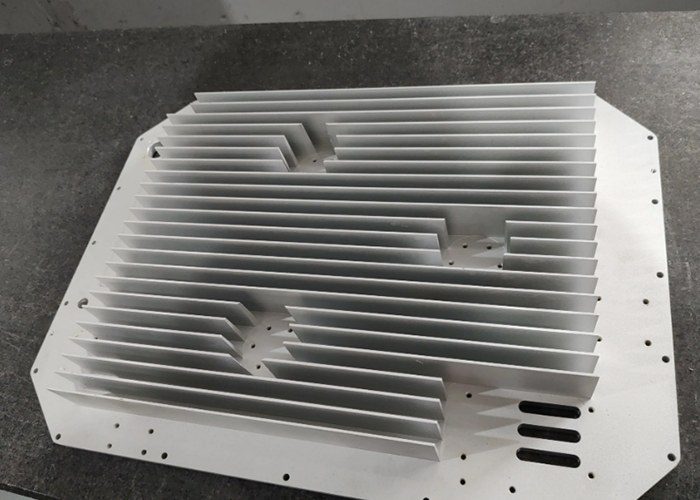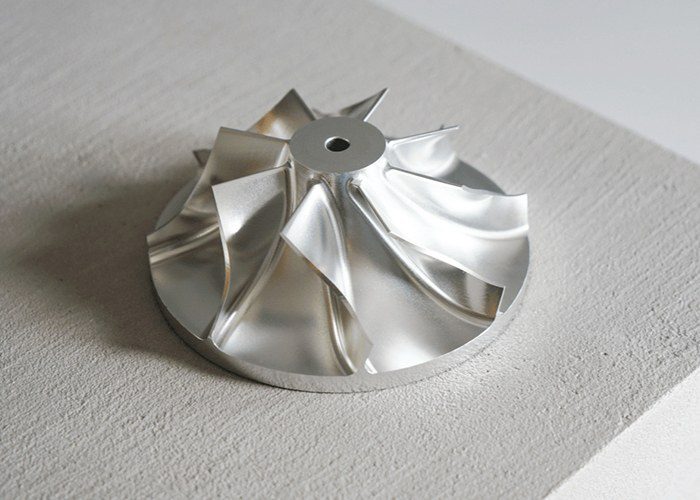
In today’s fast-paced industrial landscape, where technology evolves at breakneck speed, one element remains indispensable across sectors—precision processing metal parts. From the tiniest components in a wristwatch to the robust parts of an aircraft engine, precision metal parts form the structural and functional backbone of modern machinery. But what exactly defines precision processing in metallurgy, and why has it become such a critical discipline in global manufacturing? This article delves into the processes, significance, and future of precision-engineered metal components.
Defining Precision Processing
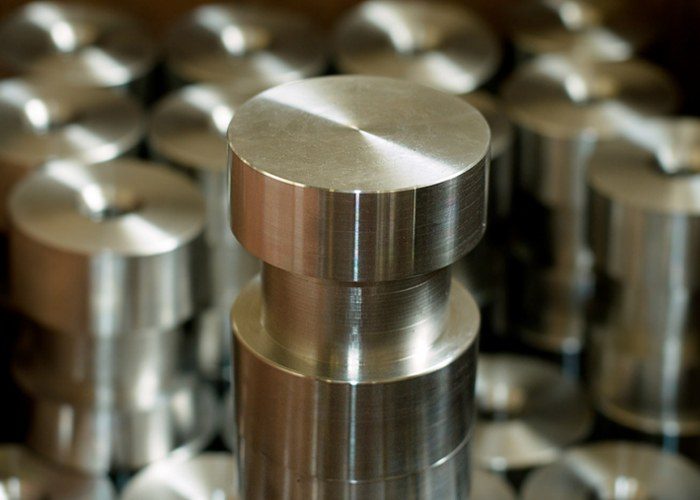
At its core, precision processing refers to the manufacturing of metal parts with extremely tight tolerances, often measured in microns or even nanometers. It involves advanced subtractive and additive techniques such as CNC (Computer Numerical Control) machining, laser cutting, electrical discharge machining (EDM), and precision grinding. Unlike conventional metal fabrication, which may allow minor deviations, precision processing demands consistency down to ±0.001 inches or tighter, ensuring every part fits and functions flawlessly within a larger assembly.
Key Technologies Driving Precision
- CNC Machining: The cornerstone of modern precision processing. CNC mills, lathes, and routers follow digital blueprints to carve complex geometries from metal blocks. Multi-axis CNC systems (5-axis or more) can produce intricate contours in a single setup, reducing errors and lead times.
- Electrical Discharge Machining (EDM): Ideal for hard metals or fragile parts, EDM uses controlled electrical sparks to erode material. It excels at creating deep cavities, sharp internal corners, and micro-holes that traditional cutting tools cannot achieve.
- Laser Cutting & Micromachining: Fiber lasers with sub-20-micron beam diameters produce burr-free edges and minimal heat-affected zones. This is crucial for medical devices and electronics where thermal distortion is unacceptable.
- Precision Grinding & Honing: For surface finishes below 0.2 Ra, grinding and honing eliminate microscopic imperfections, delivering both dimensional accuracy and superior surface quality.
Applications Across Industries
- Aerospace: Turbine blades, fuel system components, and landing gear parts demand zero margin for error. A micron-level deviation could lead to catastrophic failure under extreme temperatures and pressures.
- Medical Devices: Surgical tools, orthopedic implants (e.g., hip joints), and dental drills require biocompatible metals (titanium, stainless steel) machined to exact shapes, often with complex surface patterns for bone integration.
- Automotive: From fuel injector nozzles to transmission gears, precision parts improve fuel efficiency, reduce emissions, and enhance safety. Electric vehicles (EVs) rely on precision cooling plates and busbars for battery thermal management.
- Electronics: Smartphone chassis, connectors, and semiconductor lead frames demand micro-scale accuracy. Even a 10-micron misalignment can disrupt signal integrity in high-frequency devices.
Quality Control: The Unsung Hero
Precision processing is incomplete without rigorous inspection. Manufacturers employ Coordinate Measuring Machines (CMM), optical comparators, laser scanners, and white light interferometers to verify every dimension. Statistical process control (SPC) tracks real-time production data, flagging any drift before defective parts are produced. For ultra-critical components like pacemaker electrodes or jet engine sensors, 100% inspection—often with automated vision systems—is mandatory.
Material Challenges and Innovations
Not all metals behave predictably under precision processing. Hardened tool steels, Inconel (a nickel-chromium superalloy), and tantalum resist cutting and generate excessive heat. Advances in tool coating (e.g., titanium aluminum nitride or diamond-like carbon) extend tool life while cryogenic cooling (using liquid nitrogen) prevents thermal expansion errors. Meanwhile, additive manufacturing (metal 3D printing) is blurring the line between forming and finishing, enabling lattice structures and internal channels impossible with subtractive methods—though post-print precision machining is still needed for critical interfaces.
The Human Factor and Skills Gap
Despite automation, precision processing relies on skilled machinists and engineers who understand cutting dynamics, material properties, and metrology. A single wrong feed rate or dull tool can scrap an expensive billet of aerospace-grade alloy. With many veteran machinists retiring, the industry faces a knowledge gap. In response, companies are investing in apprenticeships, simulation-based training, and augmented reality (AR) overlays that guide operators through complex setups.
Future Trends
- Industry 4.0 Integration: Smart factories use IoT sensors to monitor spindle vibration, coolant pH, and tool wear in real time. Predictive algorithms schedule tool changes automatically, maximizing uptime.
- Micro & Nano Machining: As devices continue to shrink—such as MEMS sensors and micro-robots—precision processing must advance to handle features below 100 nanometers. Focused ion beam (FIB) milling and femtosecond lasers are emerging solutions.
- Sustainable Precision: Minimal-quantity lubrication (MQL) systems reduce coolant waste, while electric spindles cut energy consumption by 30% compared to pneumatic alternatives. Recyclable metal chips and closed-loop water filtration systems further shrink environmental footprints.
Conclusion
Precision processing of metal parts is far more than a manufacturing technique—it is the silent enabler of innovation. Whether it’s a life-saving stent navigating a human artery or a sensor housing surviving the vacuum of space, these components work unseen yet irreplaceably. As industries push toward greater efficiency, miniaturization, and reliability, the role of precision engineering will only grow. For manufacturers, the challenge is clear: invest in cutting-edge equipment, cultivate human expertise, and uphold a zero-defect culture. After all, in the world of precision metals, “close enough” is never close enough.