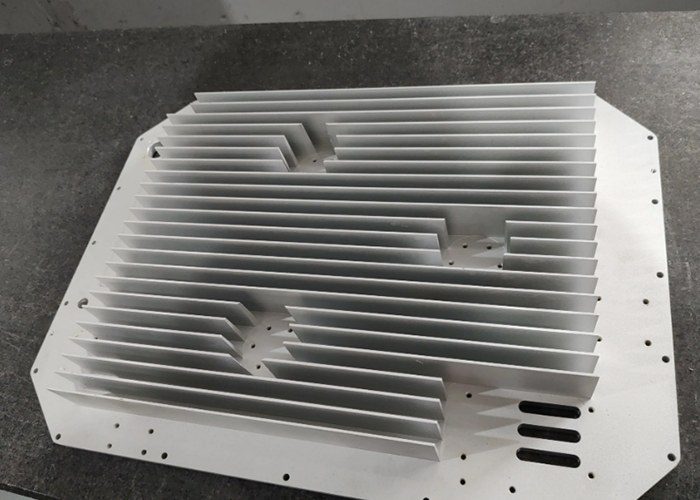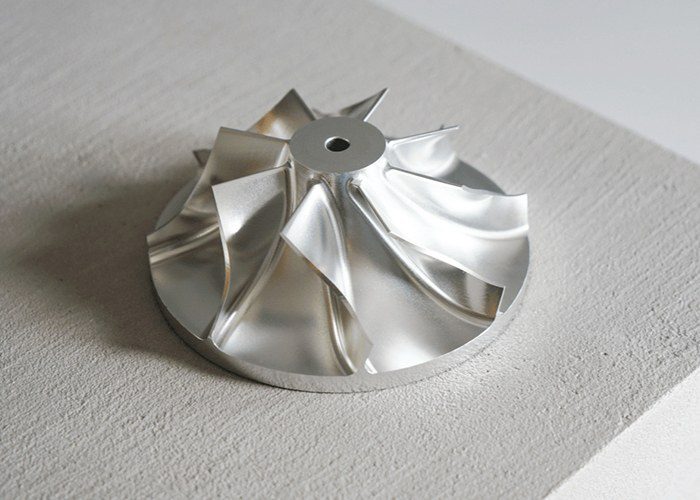
In an age dominated by digital interfaces, artificial intelligence, and advanced software, it is easy to overlook the physical foundations upon which our modern world is built. Yet, hidden inside every smartphone, vehicle, medical device, and aircraft lies a silent hero: the precision metal part. These components, often no larger than a coin or a fingernail, are the unsung workhorses that ensure complex systems function with flawless reliability. From the intricate gears of a Swiss watch to the turbine blades of a jet engine, precision metal parts are the tangible embodiments of human ingenuity, transforming raw materials into the backbone of industry.
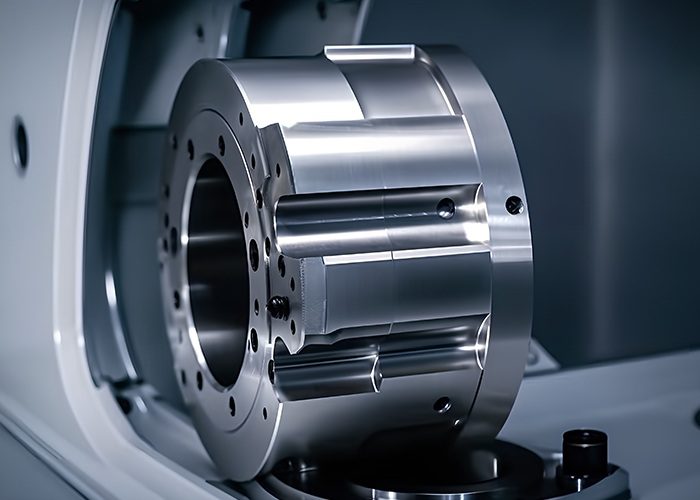
So, what exactly defines a “precision” metal part? The term goes far beyond simple manufacturing. It refers to components produced with extremely tight tolerances—often measured in microns (millionths of a meter). Where a standard bolt might have a tolerance of a few hundredths of a millimeter, a precision part for a fuel injector nozzle might require accuracy within ±5 microns. At this scale, the tolerance for error is effectively zero. Achieving such consistency demands a mastery of physics, material science, and advanced machining technologies.
The creation of these parts is a symphony of advanced manufacturing processes. Computer Numerical Control (CNC) machining is one of the most common routes. In a CNC mill or lathe, a block of aluminum, steel, titanium, or brass is sculpted by rotating cutting tools guided by digital blueprints with micron-level precision. For high-volume production, metal stamping—using dies and presses to cut and form sheet metal—offers incredible speed and repeatability. When extreme complexity or internal geometries are needed, Metal Injection Molding (MIM) combines the design freedom of plastic injection molding with the strength of metal, while electrical discharge machining (EDM) uses electrical sparks to erode conductive metals, allowing for impossibly sharp internal corners. Finally, additive manufacturing (3D printing) is revolutionizing the field, enabling lattice structures and organic shapes that were previously unthinkable.
The choice of material is as critical as the manufacturing process. While common steel and aluminum alloys are ubiquitous for their strength-to-weight ratio and machinability, demanding applications call for exotic materials. In aerospace, Inconel—a superalloy that retains its strength at red-hot temperatures—is a necessity for jet engine turbines. The medical field relies on titanium and its biocompatible alloys for implants and surgical tools, as the human body readily accepts titanium without rejection. Meanwhile, corrosion-resistant stainless steel (such as 316L) dominates food processing, marine, and chemical plant components.
The applications of precision metal parts span virtually every sector of the economy. In the automotive industry, they are found in high-pressure fuel pumps, transmission valves, and ABS brake sensors—components that directly affect safety and efficiency. The medical device field demands perhaps the highest standards: bone screws, catheter tips, and the tiny components inside pacemakers must be manufactured to exacting standards, as failure is not an option. In aerospace and defense, landing gear mechanisms, hydraulic fittings, and guidance system housings must withstand extreme vibration, temperature swings, and G-forces. The consumer electronics in your pocket rely on precision metal shielding to prevent electromagnetic interference, as well as tiny connectors and hinges that must endure thousands of open-close cycles.
Ensuring that every single part meets these rigorous specifications requires an equally rigorous approach to quality control. This goes far beyond a simple visual check. Manufacturers employ Coordinate Measuring Machines (CMMs), which use a tactile probe to map a part’s geometry in 3D space, comparing it to the original CAD model with sub-micron accuracy. Optical comparators project a magnified silhouette of a part onto a screen to check contours. For surface finish, profilometers measure roughness at the nanometer scale. In critical industries like aerospace, statistical process control (SPC) tracks every production run in real-time, identifying any drift in the process before a single bad part is made.
Looking forward, the industry is poised for a transformative decade. The integration of Industry 4.0—the smart factory—will see CNC machines and CMMs connected through the Internet of Things (IoT), allowing for predictive maintenance and automated adjustments. Artificial intelligence will analyze millions of data points to optimize cutting paths and tool wear. Meanwhile, the push for miniaturization, driven by medical implants and microelectronics, is pushing the limits of micro-machining. However, challenges remain. The cost of high-end equipment is substantial, and there is a growing skills gap as seasoned machinists retire and fewer young people enter the trade. Moreover, supply chain fragility—highlighted by global disruptions—has driven many companies to reshore production.
In conclusion, precision metal parts are more than just pieces of shaped metal; they are the fundamental language in which modern engineering is written. They bridge the gap between the digital realm of design and the physical world of function. As technology continues to advance—demanding smaller, stronger, and more complex components—the craft of producing these parts will only grow in importance. The next time you board an airplane, start a car, or even pick up a smartphone, take a moment to appreciate the thousands of unseen, perfectly engineered metal pieces working in silent harmony to make it all possible. Without them, our most ambitious technologies would be little more than blueprints on a screen.