In an era defined by mass production and assembly-line efficiency, one might assume that standardized, off-the-shelf components rule the industrial world. However, beneath the surface of every groundbreaking medical device, high-performance aerospace engine, and bespoke automotive part lies a secret: the unparalleled flexibility of Custom CNC Machining. While standard machining produces identical parts in the thousands, custom CNC (Computer Numerical Control) machining is the art of creating the specific, the unique, and the impossible.
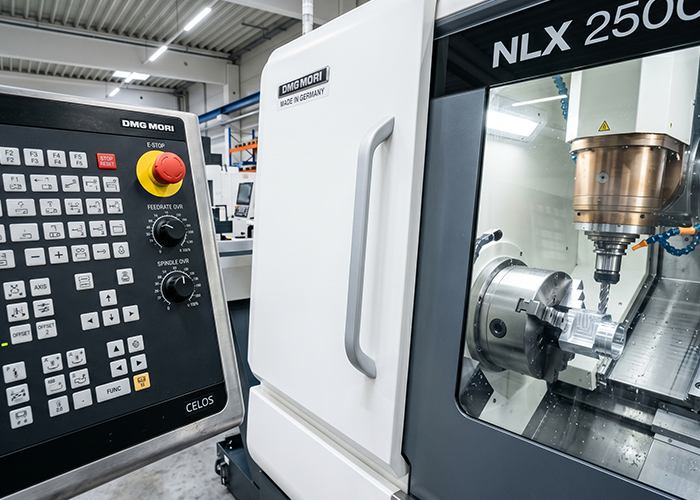
Custom CNC machining refers to the use of pre-programmed computer software to control factory tools and machinery that produce a one-off part or a limited run of highly specific components. Unlike 3D printing, which is often additive, CNC is subtractive; it starts with a solid block of material and precisely carves away the excess until only the desired part remains. This process is the backbone of prototyping and low-to-medium volume production across every major industry.
The Core Advantages of Going Custom
Why would an engineer or designer choose custom machining over cheaper, mass-produced alternatives? The answer lies in three critical pillars: complexity, material integrity, and speed.
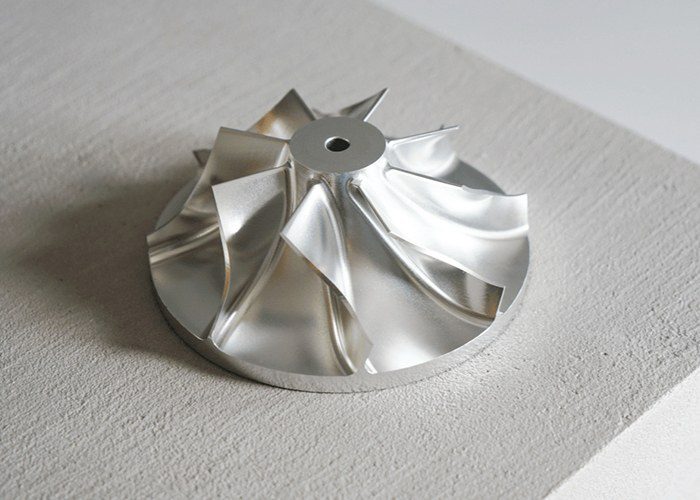
First, geometric complexity is no longer a barrier. Standard machining is limited by the shape of standard cutting tools. Custom CNC, particularly 5-axis machining, allows the cutting tool or the part itself to move in five different directions simultaneously. This capability enables manufacturers to produce intricate undercuts, complex curved surfaces, and deep cavities that would be impossible with manual machining. For a medical implant that must match the unique anatomy of a patient, or a turbine blade that requires aerodynamic perfection, custom CNC is the only viable solution.
Second, material versatility is unmatched. Additive manufacturing (3D printing) often struggles with specific metals or requires expensive proprietary powders. Custom CNC machining, however, works with virtually any solid material on the planet. From hardened tool steel and titanium alloys to engineering plastics like PEEK and Delrin, CNC machining preserves the raw material’s inherent strength and heat-resistant properties. Because the process does not melt and re-solidify the material (as casting or printing does), the resulting part maintains its structural integrity without micro-cracks or porosity.
Third, speed and agility define the modern custom CNC shop. In the past, creating a custom part required weeks of waiting for specialized tooling or molds. Today, a digital CAD (Computer-Aided Design) file can be uploaded to a CNC machine within hours. This “digital thread” allows for rapid iteration. Engineers can test a design, find a flaw, modify the digital file, and cut a new, corrected part the same day. For startups and R&D departments, this agility collapses product development cycles from months into days.
Industries Transformed by Custom Parts
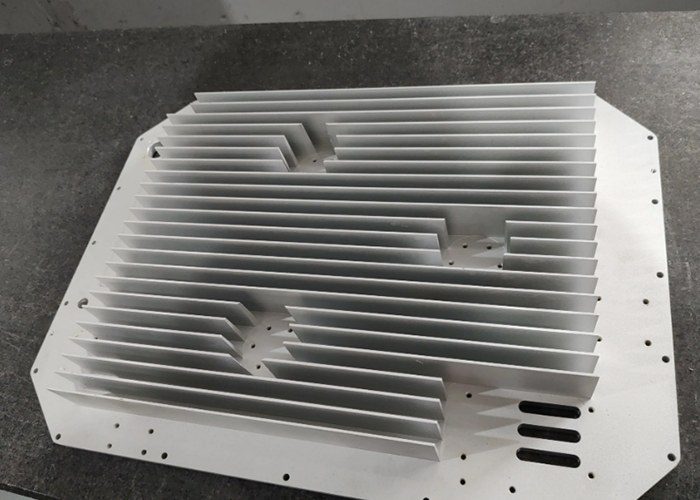
The influence of custom CNC machining touches nearly every aspect of modern life. In the aerospace industry, where failure is not an option, custom CNC creates structural bulkheads and landing gear components with tolerances measured in microns (thousandths of a millimeter). In medical technology, it produces titanium bone screws, surgical guides, and orthopedic knee replacements tailored to specific patient groups. The motorsport industry relies on custom CNC for lightweight, high-stress components like suspension arms and gearbox casings, while the electronics sector uses it to mill heat sinks and RF housings that manage thermal loads in 5G infrastructure.
The Future: Automation and Hybridization
As we look toward Industry 4.0, custom CNC machining is not standing still. The workshop of the future is increasingly automated. “Lights-out machining”—where robots load raw material and remove finished parts, allowing the CNC machine to run unattended overnight—is becoming accessible to small job shops. Furthermore, we are witnessing the rise of hybrid manufacturing that combines CNC subtractive precision with additive deposition. A machine might 3D print a near-net shape of a large part, then immediately switch to a high-speed spindle to mill the critical surfaces to a mirror finish.
Conclusion
Custom CNC machining remains the gold standard for precision and reliability. While mass production pays the bills for consumer goods, custom machining builds the world’s most critical infrastructure. It bridges the gap between the abstract lines of a computer drawing and the physical reality of a perfect, functional object. For any project where quality cannot be compromised and “good enough” is not an option, custom CNC machining is not just a tool—it is the only path forward. Whether you are building a single prototype for a surgical trial or fifty parts for a racing team, the ability to turn a digital concept into a tangible, high-strength component is a capability that defines the modern industrial age.