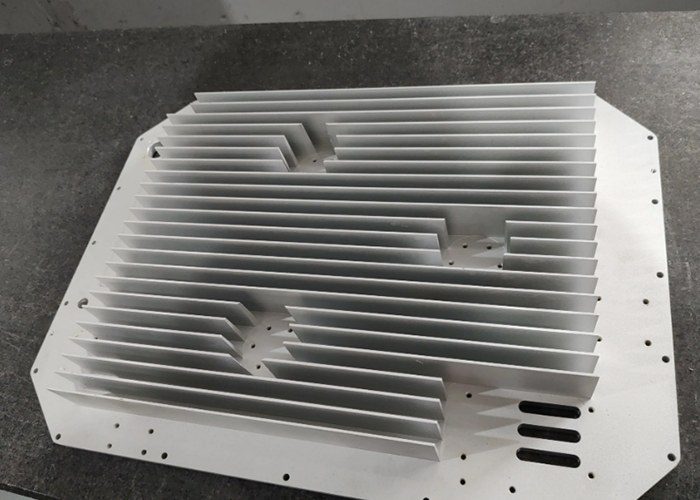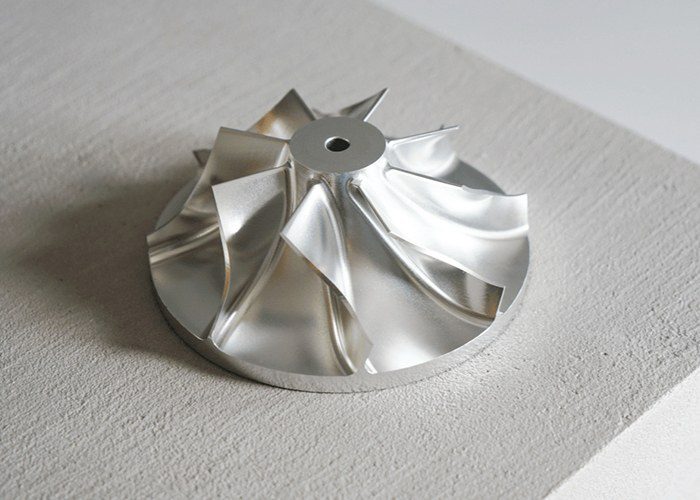
In an age dominated by software, artificial intelligence, and digital networks, it is easy to overlook the physical infrastructure that makes modern life possible. Beneath the sleek surfaces of smartphones, the reliable hum of automotive engines, and the sterile environments of surgical suites lies a silent, unassuming hero: the precision machined metal part. While often invisible to the end user, these components are the atomic units of industrial capability. Precision machining is more than a manufacturing process—it is the art and science of turning raw metal into functional marvels of geometry, tolerance, and strength.
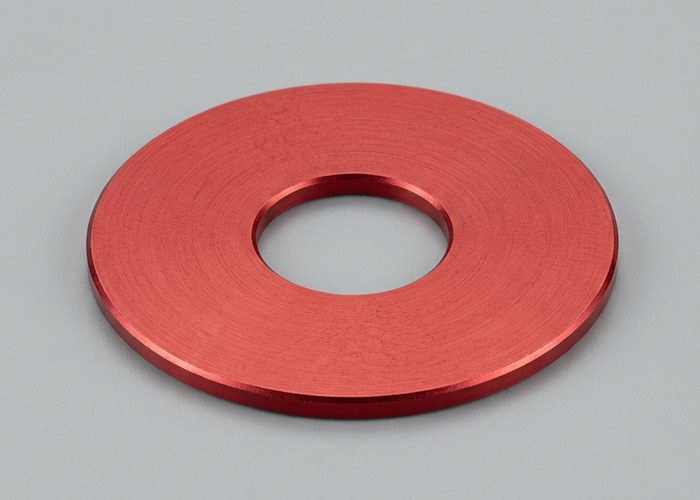
At its core, precision machining refers to the suite of processes used to create metal parts with extremely tight tolerances and intricate geometries. This typically involves subtractive manufacturing techniques, where raw stock—such as aluminum, stainless steel, titanium, or brass—is selectively removed by cutting tools to reveal a finished component. The most common methods include Computer Numerical Control (CNC) milling, turning (lathe work), drilling, and grinding. However, modern precision shops also employ advanced techniques like Electrical Discharge Machining (EDM) and wire EDM for materials too hard for conventional cutting.
The defining characteristic that separates precision machining from general metalworking is the tolerance. Where a typical workshop might measure success in fractions of a millimeter, the precision machinist operates in microns—millionths of a meter. A part machined to a tolerance of ±0.005mm (5 microns) is not uncommon in high-stakes industries. To put that in perspective, a human hair is approximately 75 microns thick. The ability to hold such tolerances consistently, across thousands or millions of parts, is what allows engineers to design high-performance engines, reliable hydraulic systems, and durable medical implants.
The applications of these tiny marvels are virtually limitless, yet they concentrate in sectors where failure is not an option. In the aerospace industry, a single turbine blade must withstand extreme temperatures and centrifugal forces while being machined to aerodynamic perfection. A deviation of a few microns in the cooling holes of that blade could lead to catastrophic failure. Similarly, in the medical field, bone screws, spinal rods, and surgical saws require flawless surface finishes and exact dimensions. The human body will reject ill-fitting implants, and any roughness on a surgical tool can harbor bacteria, leading to infection. Precision machining provides the biocompatibility and safety these devices demand.
Perhaps the most dramatic display of this capability is in the automotive and motorsport sectors. The modern internal combustion engine is a symphony of precisely machined parts: pistons sliding within cylinders with clearances measured in the thousandths of an inch, camshafts controlling valve timing with split-second accuracy, and transmission gears whose teeth mesh perfectly to transfer hundreds of horsepower. Electric vehicles, often touted as simpler, still rely on precision-machined housings for their battery packs, motor shafts, and cooling system components. Without precision machining, a Formula 1 car would be a pile of metal scrap, and a family sedan would shake itself apart within miles.
The journey from a raw billet of metal to a finished precision part is a complex dance of technology and skill. It begins with Computer-Aided Design (CAD) software, where an engineer creates a 3D model. This model is then translated via Computer-Aided Manufacturing (CAM) software into a set of instructions—G-code—that guides the CNC machine’s every movement. The operator, now more of a technician than a traditional machinist, selects the right cutting tools, fixturing, and coolants. The machine then executes, often cutting at high speeds and feeds, spraying coolant to control heat and wash away chips. After machining, many parts undergo secondary processes like deburring, heat treatment, anodizing, or passivation to enhance their mechanical properties or corrosion resistance. Finally, rigorous quality control, often using Coordinate Measuring Machines (CMM) or optical comparators, verifies that every critical dimension meets the blueprint.
However, the field of precision machining is not static; it is evolving rapidly. The rise of automation and robotics allows for “lights-out manufacturing,” where machines run unattended overnight. Multi-axis machining (5-axis and beyond) enables machinists to create incredibly complex parts in a single setup, reducing error and handling time. Digital twins—virtual replicas of the machining process—allow engineers to simulate and optimize cuts before metal is ever removed, saving time and material. Moreover, micromachining pushes the limits by producing parts smaller than a grain of sand for use in medical diagnostics and microelectronics.
Despite the rise of additive manufacturing (3D printing), precision machining remains irreplaceable for applications demanding superior surface finishes, tight tolerances, and the proven material properties of wrought metals. 3D printing builds, while machining refines. In many advanced manufacturing workflows, the two are complementary: a near-net shape is printed, and then machined to final tolerances.
In conclusion, precision machined metal parts are the silent pillars of the modern world. They are the difference between a toy and a tool, between a prototype and a product, between a dangerous gamble and a reliable machine. Every time a plane lands safely, a car brakes smoothly, or a pacemaker keeps a steady rhythm, we witness the cumulative success of thousands of precise cuts, made across millions of parts. It is a discipline that demands not only advanced machinery but also patience, mathematical rigor, and a deep respect for the stubborn nature of metal. In a world chasing the intangible, precision machining remains a profoundly tangible, essential craft—shaping our reality one micron at a time.