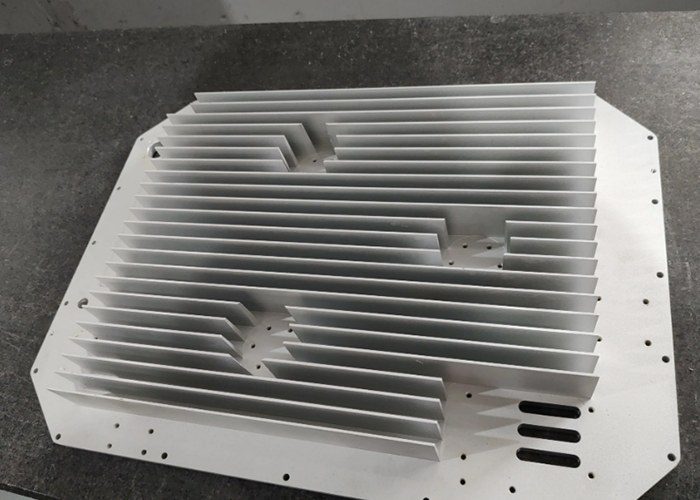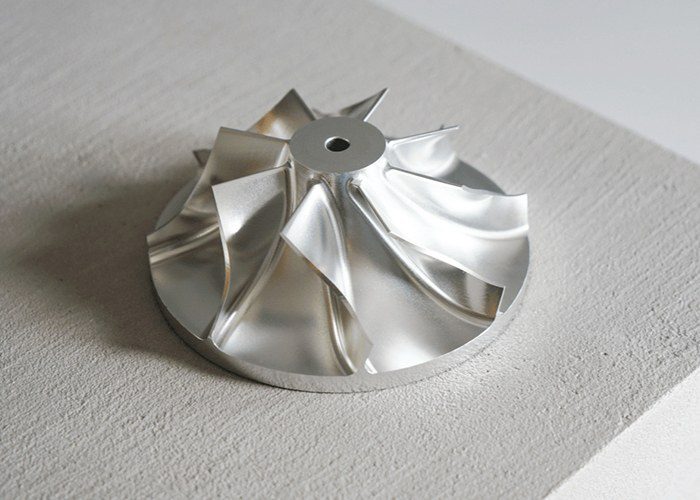
In the contemporary industrial landscape, we are surrounded by marvels of engineering. From the smartphones in our pockets to the jetliners soaring overhead, our world is built upon a foundation of complex systems. Yet, beneath the sleek exterfaces and sophisticated software lies a more fundamental truth: the physical integrity and performance of these systems hinge on components that are manufactured with near-atomic accuracy. This is the domain of precision machining components, the unsung heroes of modern manufacturing.
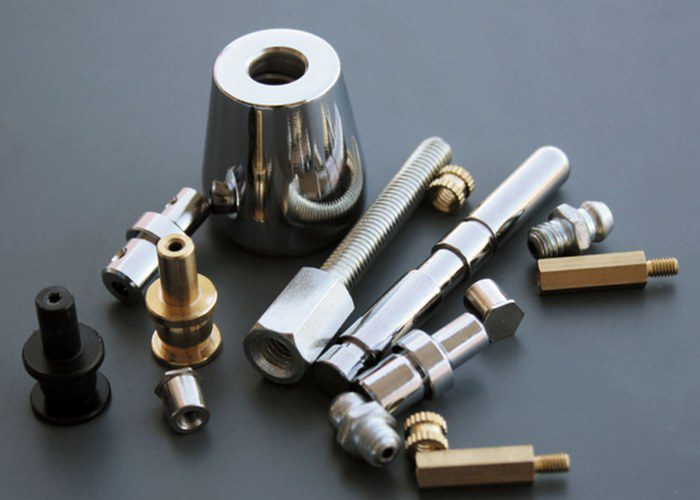
Precision machining is not merely a process; it is a philosophy of exactitude. It represents the apex of subtractive manufacturing, where raw material is meticulously carved away to create a final part that conforms to a digital blueprint with tolerances often measured in microns—a fraction of the width of a human hair. This discipline is the critical bridge between the theoretical world of computer-aided design (CAD) and the tangible reality of functional hardware.
The Process: From Digital Design to Physical Reality
The journey of a precision component begins with a digital model. This model is then translated into a language that computer numerical control (CNC) machines can understand. These machines, ranging from multi-axis milling centers to high-precision lathes and electrical discharge machines (EDM), are the workhorses of the industry. The “multi-axis” capability is a key differentiator; modern 5-axis machines can position a part and tool in five different axes simultaneously, allowing for the creation of incredibly complex geometries with a single setup. This reduces human error and ensures that the relationship between every surface of the part is perfectly maintained.
The cutting tools themselves are engineering masterpieces, often composed of ultra-hard materials like polycrystalline diamond (PCD) or cubic boron nitride (CBN). They must withstand immense heat and friction while maintaining a sharp edge to shave off minute chips of metal. Concurrently, cutting fluids are carefully deployed to manage thermal expansion. In precision work, even a microscopic rise in temperature can cause the metal to expand, throwing off the final measurement and leading to a defective part.
The “Why”: The Importance of Uncompromising Precision
Why is this level of exactitude so vital? The answer lies in reliability, performance, and interoperability. In mission-critical applications, failure is not an option.
Consider the aerospace industry. The turbine blades in a jet engine operate at extreme temperatures and rotational speeds. A variance in the blade profile of a mere few microns can disrupt the airflow dynamics, reduce fuel efficiency, or, in a worst-case scenario, lead to catastrophic failure. Similarly, in the automotive sector, the components of a fuel injection system must be machined to such exacting standards that they can consistently meter fuel in precise amounts over millions of cycles. This is essential for meeting stringent emission regulations and delivering optimal engine performance.
The medical field presents perhaps the most stringent demands. Orthopedic implants, such as hip or knee replacements, require flawless surface finishes and perfect geometrical tolerances to integrate with human bone and tissue. Surgical instruments, too, must be absolutely precise to perform minimally invasive procedures. In these applications, the quality of the machining directly impacts human life and well-being.
The Challenges and the Art of Machining
Despite the dominance of automated machinery, precision machining remains an art form that depends heavily on skilled craftsmanship. The best machinists, often called “toolmakers,” possess an intuitive understanding of materials. They know how different alloys behave under stress and heat, and they can interpret the subtle sounds and vibrations of a cutting tool to prevent tool wear or deflection.
Tool wear remains a primary challenge. Every cut a tool makes causes microscopic amounts of material to be worn away from its cutting edge. This wear changes the geometry of the tool, which will in turn affect the dimensions of the part being produced. In a high-volume production run, the machine may need to compensate for this wear automatically by adjusting its cutting paths. When the tool becomes too worn, it must be replaced to prevent a cascade of defective parts. Managing this process involves constant metrology and quality control. Coordinate Measuring Machines (CMMs) and laser scanners are used to verify the dimensions of components throughout the production run, ensuring that the part matches the CAD model perfectly.
The Future: Where Precision is Heading
The field of precision machining is not static; it is evolving rapidly to meet the demands of new technologies. The rise of electric vehicles (EVs) requires new types of components, such as large, complex structural battery housings that must be lightweight yet incredibly strong. The demand for miniaturization in consumer electronics and medical devices pushes the boundaries of what is machinable, requiring tools and techniques that operate at a micro-scale.
We are also seeing the integration of additive manufacturing, or 3D printing, with traditional subtractive machining, creating a hybrid approach known as “hybrid manufacturing.” A part can be “near-net-shaped” through 3D printing and then finished to exacting tolerances through CNC machining. This reduces material waste and allows for the creation of components with internal lattice structures that are impossible to achieve through conventional methods.
In conclusion, precision machining components are the silent foundation of our technological society. They are the means by which abstract digital designs are transformed into robust, reliable physical systems. While they may not have the glamour of software or artificial intelligence, they represent the tangible execution of innovation. As we push further into the frontiers of space exploration, quantum computing, and sustainable energy, the demand for these perfectly crafted components will only intensify, ensuring that the art and science of precision machining will remain at the very heart of human progress.