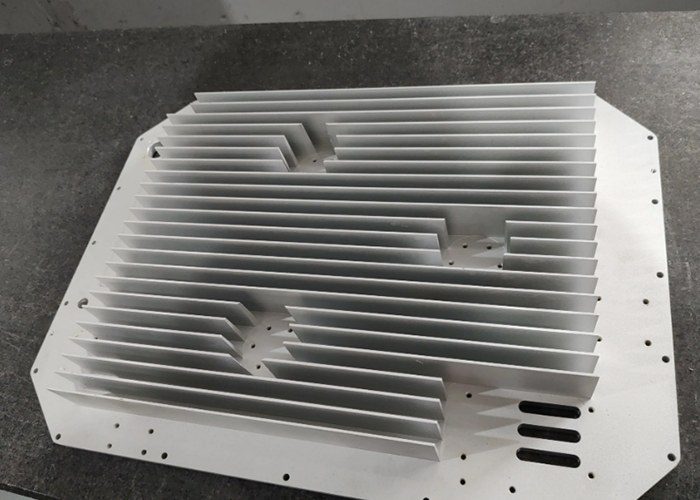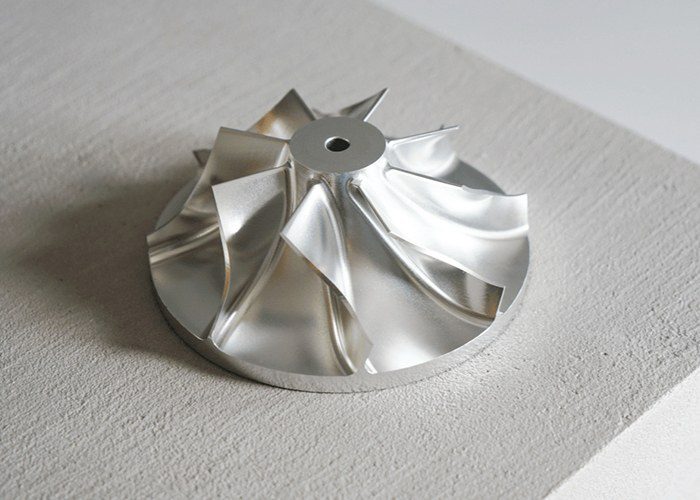
In an era dominated by digital disruption and the rise of artificial intelligence, one might assume that the physical act of “making things” has become obsolete. Yet, hidden beneath the sleek surfaces of every smartphone, the robust casing of a jet engine, and the intricate geometries of a surgical robot lies a quiet, relentless force: precision machining. At its heart lies Computer Numerical Control (CNC) machining—a technology that is less about cutting metal and more about sculpting reality with micron-level fidelity.
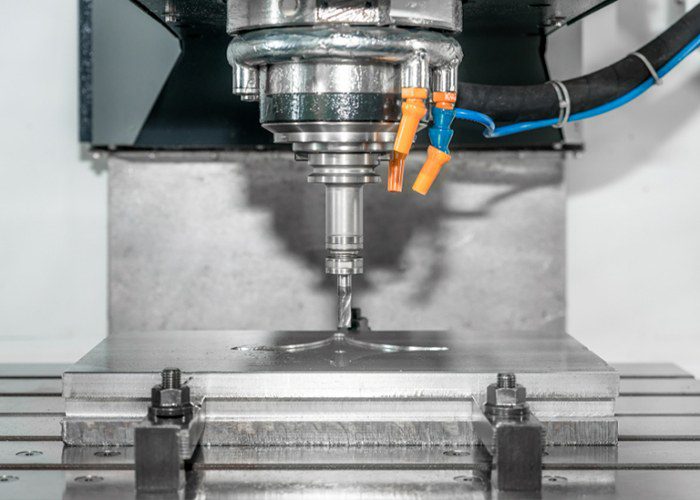
Precision machining is the industrial art of removing material from a raw workpiece to create a finished part with extremely tight tolerances. “Tight tolerances” in this context means deviations measured in micrometers (millionths of a meter) or even nanometers. To put that into perspective, a human hair is approximately 70 micrometers thick. Precision machining routinely achieves accuracy within 5 to 10 micrometers—a feat akin to trimming a continent off a map using a pair of nail scissors.
CNC machining is the engine that makes this precision scalable. Unlike manual machining, which relies on the steady hand and judgment of a human operator, CNC uses pre-programmed computer software to dictate the movement of factory tools and machinery. A CAD (Computer-Aided Design) model is converted into a G-code—a numerical language that tells the machine exactly where to move, how fast to spin, when to change tools, and how deeply to cut. The process is deterministic, repeatable, and ruthlessly accurate.
The Trinity of Precision: Lathes, Mills, and Routers
The three primary pillars of CNC machining are turning, milling, and routing. CNC lathes rotate the workpiece against a stationary cutting tool to create cylindrical parts—think shafts, bolts, and custom bushings. CNC milling, conversely, rotates the cutting tool while the workpiece remains stationary or moves on multiple axes, producing complex geometries like engine blocks, molds, and enclosures. Modern 5-axis CNC mills can approach a part from virtually any direction in a single setup, eliminating human error and reducing production time by hours or even days.
CNC routers, a lighter cousin, handle softer materials like wood, plastics, and aluminum composites. They are the workhorses of sign-making, furniture manufacturing, and aerospace component trimming.
Why Precision Matters: The Stakes Are High
The importance of micron-level accuracy cannot be overstated. In the aerospace industry, a turbine blade machined two micrometers off-spec can create micro-vibrations that, over thousands of flight cycles, lead to catastrophic metal fatigue. In medical devices, a bone screw that is 0.01 mm too wide can crack an implant or fail to integrate with human tissue. In automotive engineering, the precise mating of piston rings to cylinder walls determines fuel efficiency, emissions, and engine lifespan.
Beyond safety, precision machining drives economic efficiency. High precision ensures parts fit together seamlessly, eliminating any need for secondary adjustments—no filing, sanding, or shimming. This “first-time-right” capability slashes assembly time and reduces scrap waste. In high-volume production, a 1% reduction in scrap rates can translate into millions of dollars in annual savings.
Materials: The Palette of the Machinist
CNC machining is remarkably material-agnostic. It works with aerospace-grade titanium and Inconel (superalloys that glow red before they soften), medical-grade stainless steel and cobalt chrome, engineering plastics like PEEK and Delrin, and even exotic composites. Each material requires its own specific cutting speeds, feed rates, and tool coatings. Machining titanium, for example, requires low speeds and high coolant pressure to prevent work hardening, while machining aluminum allows high-speed “trochoidal” milling that peels away metal like an apple peel.
The Human Element in a Digital Process
Despite the “CNC” acronym, precision machining is far from a lights-out, push-button operation. Skilled machinists—often called “CNC programmers” or “setup technicians”—possess a deep understanding of metallurgy, geometry, and physics. They select toolpaths, define cutting parameters, and compensate for thermal expansion (a part grows slightly when hot and shrinks when cool). They also perform in-process inspection using touch probes and laser micrometers, adjusting offsets by a single micron to keep every part within tolerance.
In many ways, the machinist is a hybrid of artist and logician. The artist envisions how a chunk of metal can become a functional sculpture; the logician writes flawless code that prevents tool crashes and optimizes cycle time.
The Cutting Edge: Automation and Hybrid Processes
The future of precision CNC machining lies in autonomy. Robotic arms now load and unload raw stock, allowing machines to run unattended overnight (the so-called “lights-out manufacturing”). In-process gauging systems automatically compensate for tool wear. Additive manufacturing (3D printing) is merging with CNC machining in hybrid machines that first print a near-net shape, then precision-machine the critical surfaces—combining the geometric freedom of printing with the surface finish and tolerance of machining.
Another frontier is Industry 4.0, where CNC machines are connected to the cloud, sharing real-time data on spindle loads, temperature, and vibration. Machine learning algorithms analyze this data to predict tool breakage before it happens, schedule preventive maintenance, and even optimize cutting parameters on the fly.
Conclusion: The Silent Revolution
Precision CNC machining rarely makes headlines. It does not go viral on social media. But it is the silent infrastructure of modern civilization. Every time you board an airplane, undergo a CT scan, or charge an electric vehicle, you are trusting parts that were likely machined to tolerances thinner than a bacterium. As products grow smaller, lighter, and more complex—from micro-electromechanical systems (MEMS) to massive wind turbine hubs—CNC machining will continue to evolve. The language will shift from G-code to AI-driven algorithms; the tools will spin faster and last longer; but the fundamental mission remains unchanged: to transform raw material into exact geometry, one precise cut at a time.
In a world of approximations and “good enough,” precision machining stands as a stubborn testament to the idea that accuracy matters—down to the very last micron.