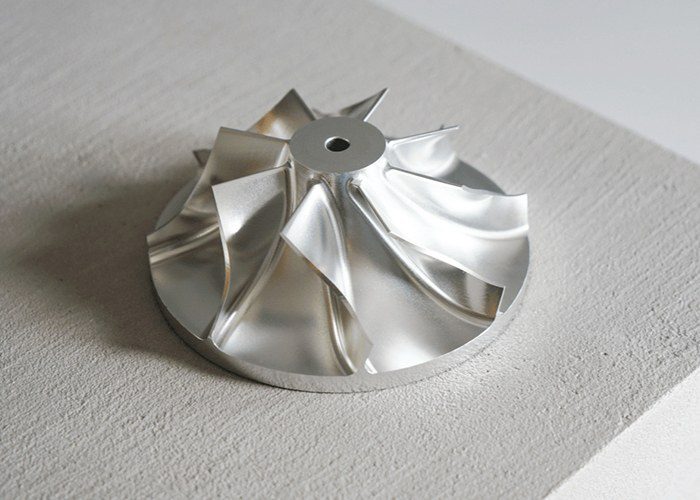
In the intricate tapestry of modern manufacturing, where microscopic tolerances and macroscopic reliability are equally demanded, precision CNC turned parts stand as fundamental, yet often overlooked, pillars. These components, born from the marriage of advanced computer numerical control (CNC) technology and the ancient art of turning, are the unsung heroes inside everything from medical devices to aerospace vehicles, from your car’s fuel system to the smartphone in your hand. They represent not just a manufacturing process, but a commitment to accuracy, repeatability, and quality that defines high-end engineering.
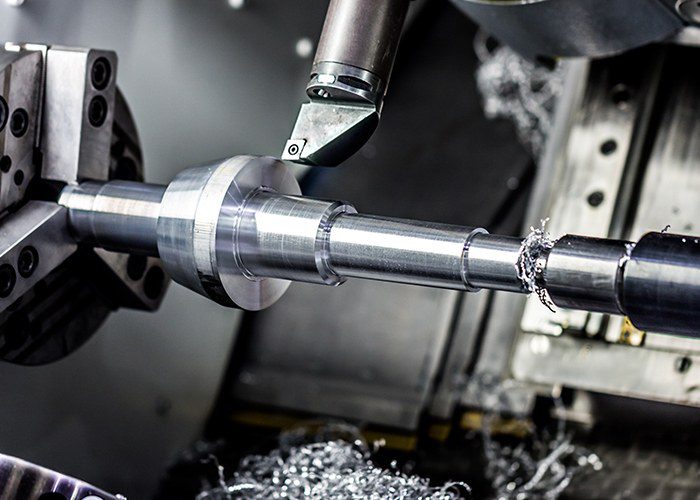
At its core, CNC turning is a subtractive manufacturing process where a bar of material—be it metal, plastic, or composite—is rotated at high speed while a computer-controlled cutting tool is precisely traversed along its length. The CNC machine follows a meticulously programmed set of instructions (G-code), which dictates every movement, speed, and depth of cut. This digital blueprint allows for the creation of complex cylindrical geometries with features such as threads, grooves, tapers, and contoured profiles. The term “precision” elevates this process, referring to the exceptionally tight dimensional tolerances—often within a few microns (thousandths of a millimeter)—that are consistently held. Achieving this requires not only state-of-the-art machinery with high rigidity and minimal vibration but also expert programming, proper tool selection, and controlled environmental conditions.
The materials used are as varied as the applications. Aerospace might demand the high strength-to-weight ratio of titanium or Inconel, while medical implants necessitate biocompatible stainless steels or tantalum. Automotive applications frequently use aluminum for lightweighting or hardened steels for durability, and electronics rely on excellent conductors like copper and brass. The CNC turning process is versatile enough to handle them all, with each material presenting unique challenges in machinability, heat dissipation, and tool wear that must be expertly managed.
The advantages of precision CNC turning are manifold. First and foremost is accuracy and consistency. Once a program is perfected, the CNC machine can produce ten or ten thousand identical parts, each a perfect clone of the digital model. This eliminates human error and ensures interchangeability, a critical factor in assembly lines and maintenance. Second is complexity and integration. Multiple operations—turning, drilling, boring, threading—can be completed in a single setup on a modern CNC lathe, often equipped with live tooling and multiple axes. This creates intricate parts that might otherwise require several machines, reducing production time, handling, and potential errors. Third is efficiency and scalability. While the initial setup and programming require time and expertise, subsequent production is fast and requires minimal intervention, making it cost-effective for both medium and high-volume runs. Finally, surface finish quality is superior, often eliminating the need for secondary finishing processes, which streamlines production and reduces costs.
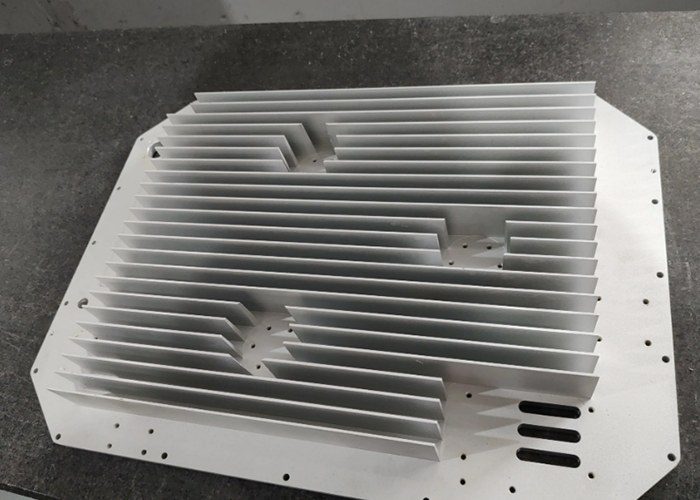
The applications of these precision components are a testament to their critical role. In the aerospace and defense sectors, they are found in hydraulic systems, landing gear assemblies, engine components, and navigation systems, where failure is not an option. The medical industry relies on them for surgical instruments, bone screws, implantable devices, and diagnostic equipment, where sterility, reliability, and exact dimensions are matters of life and health. The automotive industry uses precision turned parts in fuel injection systems, transmission shafts, valve bodies, and sensor housings, contributing to performance, efficiency, and safety. Electronics and telecommunications employ them in connectors, heat sinks, shielding components, and miniature housings that enable our connected world. Even in consumer goods, from high-end watches to precision fittings for appliances, their role is vital.
Behind every batch of precision turned parts lies a robust framework of Quality Control (QC). This is not an afterthought, but a core element considered from the outset. Advanced metrology tools like Coordinate Measuring Machines (CMM), optical comparators, and laser scanners are used to verify dimensions against the original CAD model. Statistical Process Control (SPC) methods monitor production in real-time, ensuring the process remains within its defined control limits. This rigorous QC transforms a claim of “precision” into a verifiable, documentable guarantee.
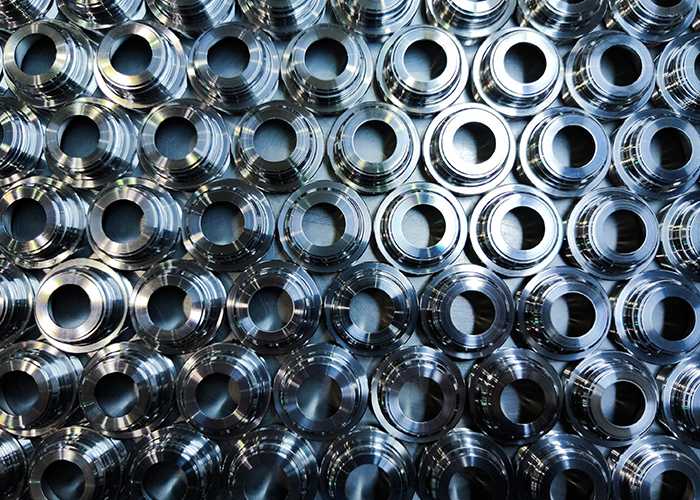
In conclusion, precision CNC turned parts are far more than simple metal or plastic shapes. They are the physical manifestation of digital design, engineered perfection, and manufacturing excellence. They enable the miniaturization, performance, and reliability that modern technology demands. While they may be hidden from view, nestled within the assemblies of larger systems, their contribution is utterly visible in the advancement and dependability of the products that shape our world. They are, quite literally, the components around which progress turns.