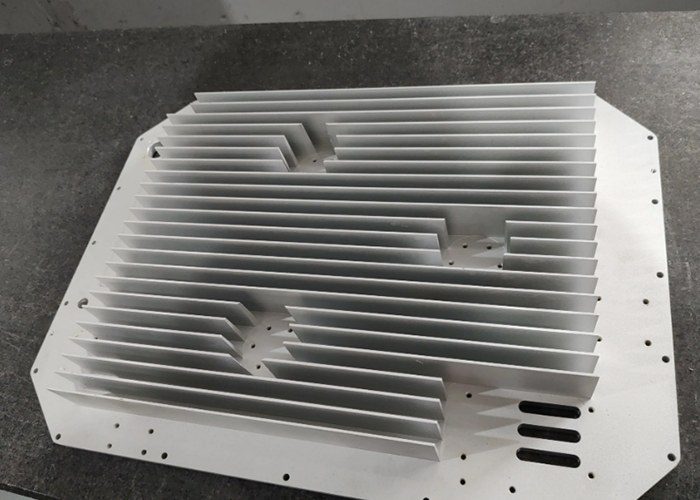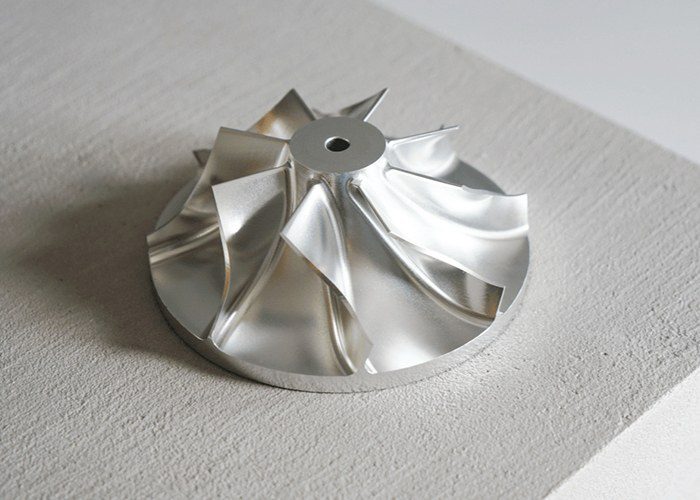
In the realm of modern manufacturing, where tolerances are measured in microns and component failure is not an option, precision engineering stands as the definitive discipline. At its core, this field is dedicated to designing and producing parts with exceptionally high accuracy and repeatability, often for critical applications in aerospace, medical devices, optics, and automotive sectors. And powering this discipline with unwavering reliability is Computer Numerical Control (CNC) machining—a transformative technology that has become synonymous with precision manufacturing itself.
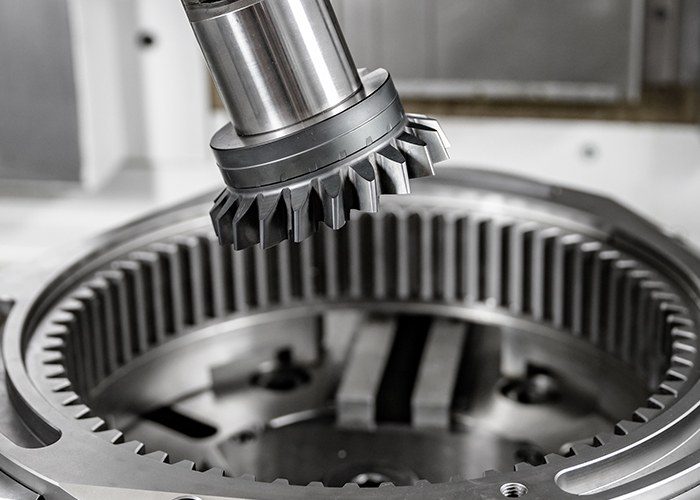
CNC machining is a subtractive manufacturing process where pre-programmed computer software dictates the movement of factory tools and machinery. This digital blueprint, derived from a Computer-Aided Design (CAD) model, controls everything from high-speed mills and lathes to grinders and electrical discharge machines. The departure from manual operation is fundamental; it removes human error from the direct control loop, replacing it with digital precision. This allows for the production of complex, intricate geometries—from delicate turbine blades to robust engine components—with a level of consistency impossible to achieve manually.
The synergy between CNC technology and precision engineering is profound and multifaceted. First and foremost is the unparalleled accuracy and repeatability. Modern multi-axis CNC machines can achieve tolerances within a few micrometers (µm) consistently, across thousands of parts. This repeatability is crucial for mass production of interchangeable components, ensuring that every single part meets the exact same stringent specifications. Whether machining from metals like titanium and aluminum, engineering plastics, or advanced composites, CNC systems maintain this fidelity, adapting toolpaths and parameters to the material’s properties.
Secondly, CNC machining enables geometric complexity that defines modern precision components. With 5-axis machining, a part can be approached from virtually any angle in a single setup. This allows for the creation of complex contours, deep cavities, undercuts, and fine details on a single workpiece, reducing errors from multiple fixtures and significantly enhancing structural integrity. The ability to machine a monolithic component—a single piece of material—into a highly complex shape eliminates assembly joints, reduces potential points of failure, and is a hallmark of aerospace and medical implant engineering.
Furthermore, the integration with digital workflows solidifies its role. CNC machining exists within a seamless digital thread from CAD to CAM (Computer-Aided Manufacturing) to the machine tool. This integration enables rapid, iterative design and prototyping. Engineers can design a component, simulate its machining process, identify potential collisions or inefficiencies, and optimize the toolpath virtually before any metal is cut. This not only saves material and time but also allows for the refinement of designs for manufacturability, pushing the boundaries of what is mechanically possible.
The applications are a testament to its critical importance. In aerospace, CNC machines fabricate lightweight, high-strength structural components, fuel system parts, and landing gear elements where absolute reliability is paramount. The medical industry relies on it for producing life-saving devices: surgical instruments with razor-sharp edges, complex orthopedic implants that must integrate with human bone, and components for diagnostic equipment. In automotive, especially in high-performance and motorsport sectors, CNC machining creates engine blocks, transmission parts, and custom components that operate under extreme stress and temperature.
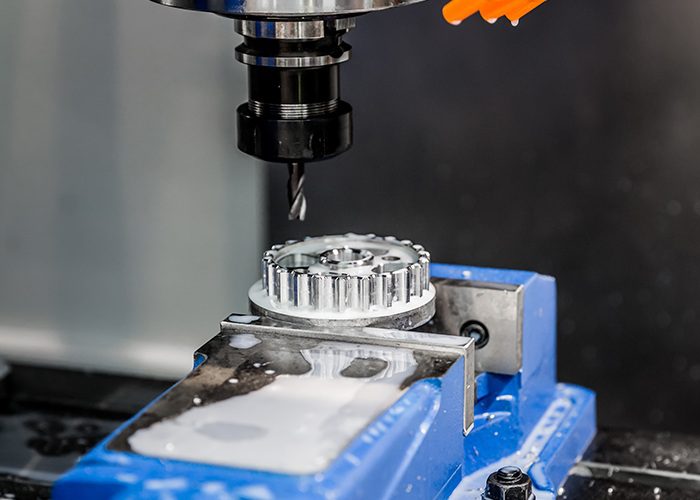
Looking ahead, the evolution of CNC machining continues to drive precision engineering forward. The adoption of ultra-precision machining techniques, often incorporating advanced sensors and real-time adaptive control, pushes tolerances into the sub-micron and nanometer range for optics and semiconductor applications. Automation and Industry 4.0 are making CNC workcells smarter, with automated tool changers, pallet systems, and in-process monitoring that ensure quality control without human intervention. Furthermore, the convergence with additive manufacturing (3D printing) is creating hybrid manufacturing platforms, where a near-net-shape part is 3D printed and then finished with CNC precision, offering new freedoms in design.
In conclusion, CNC machining is far more than just a manufacturing method; it is the essential enabler and heartbeat of contemporary precision engineering. It translates innovative digital designs into tangible, high-performance components that define technological progress. By offering unmatched accuracy, handling breathtaking complexity, and integrating into a fully digital ecosystem, CNC machining ensures that the exacting standards of precision engineering are not just met but consistently exceeded. As we advance towards an era of increasingly sophisticated technologies, the symbiosis between the digital command of CNC and the disciplined pursuit of perfection in precision engineering will only grow deeper, continuing to manufacture the future, one precise cut at a time.