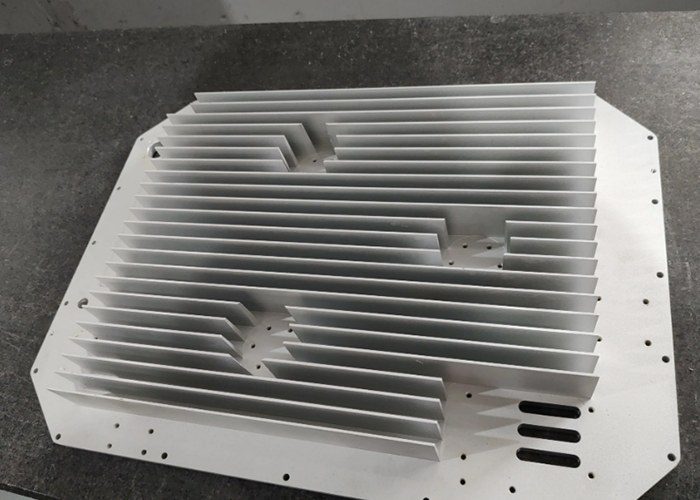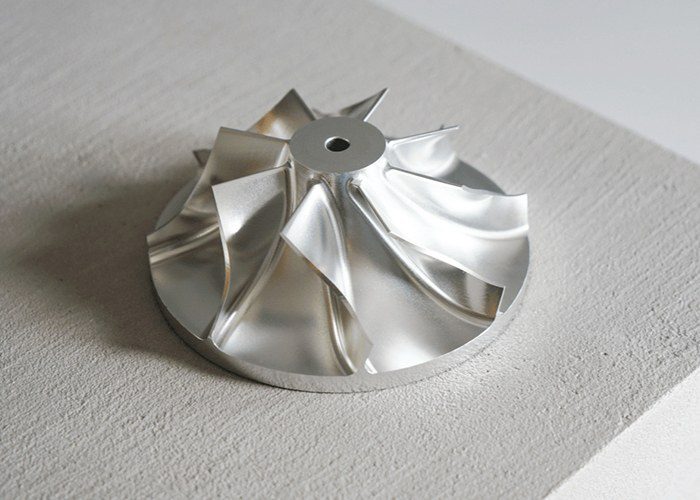
In the intricate world of modern manufacturing, where precision is paramount and efficiency drives success, Metal CNC (Computer Numerical Control) services stand as the cornerstone of innovation and production. Far more than just a machining process, these services represent a sophisticated synergy of digital design, advanced engineering, and robotic precision, enabling the creation of complex, high-tolerance metal parts that power everything from everyday devices to aerospace breakthroughs. This article delves into the essence, applications, and critical considerations of professional metal CNC services.
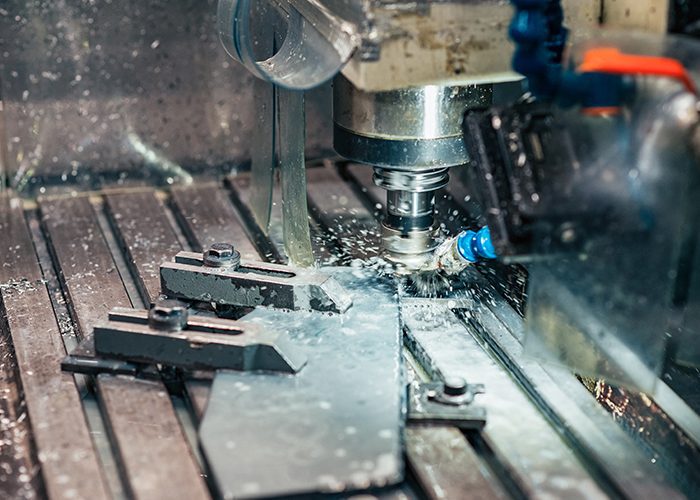
CNC machining is fundamentally a subtractive manufacturing process. It starts with a solid block or bar of metal—be it aluminum, steel, stainless steel, brass, titanium, or exotic alloys—and uses computer-controlled cutting tools to remove material with exceptional accuracy. The “brain” of the operation is a digital file, typically a 3D CAD model, which is converted into a set of numerical instructions (G-code). These instructions dictate every movement of the machine’s tools along multiple axes, ensuring that the final product is a perfect physical manifestation of the digital design. Common CNC processes include milling, where rotary cutters shape the workpiece, and turning, where the workpiece rotates against a stationary cutting tool.
The advantages of employing professional metal CNC services are profound. First and foremost is unmatched precision and repeatability. CNC machines hold tolerances within microns, producing nearly identical parts whether making one prototype or thousands. This eliminates human error and ensures consistent quality, which is critical for components that must fit and function perfectly within larger assemblies. Secondly, CNC services offer remarkable versatility and complexity. They can produce geometries that are impossible with manual machining or even difficult with other technologies—intricate contours, deep cavities, precise internal channels, and complex 3D surfaces. Five-axis CNC machining, in particular, allows for machining from almost any angle in a single setup, reducing lead times and expanding design possibilities.
Furthermore, metal CNC services provide superior material integrity and finish. Unlike processes that melt metal (like casting), CNC machining preserves the grain structure and inherent strength of the raw material. Coupled with a wide selection of post-processing options—from anodizing and powder coating for corrosion resistance to polishing and plating for aesthetic appeal—the final parts are both robust and ready for end-use. Finally, while setup and programming require expertise, the process is highly efficient and scalable. Once the program is verified, production can run with minimal supervision, making it cost-effective for both low-volume custom jobs and high-volume orders.
The applications of metal CNC machining are ubiquitous across advanced industries. In aerospace and defense, it manufactures lightweight, high-strength components like engine parts, landing gear components, and structural elements that must withstand extreme stress and temperatures. The medical device industry relies on it for surgical instruments, orthopedic implants, and diagnostic equipment, where biocompatibility, sterility, and flawless precision are non-negotiable. The automotive sector, especially in high-performance and electric vehicles, uses CNC for precision engine components, custom suspension parts, and complex housings for batteries and sensors. Additionally, electronics enclosures, robotics actuators, and custom tooling for various industries all depend on the capabilities of CNC metal services.
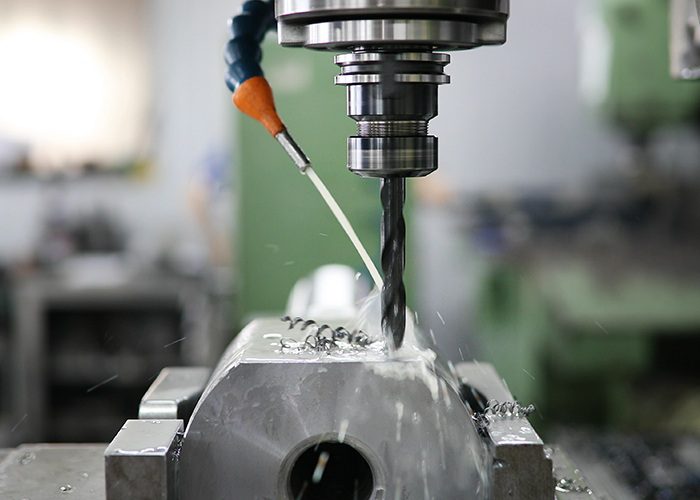
Choosing the right metal CNC service provider is a strategic decision. Key factors to evaluate include:
- Technical Capabilities: Assess the range of CNC equipment (3-axis, 4-axis, 5-axis), the size of workpieces they can handle, and their expertise with specific metals.
- Engineering Support: A strong provider will offer design for manufacturability (DFM) feedback, helping to optimize your design for cost, performance, and machinability.
- Quality Assurance: Look for certifications (like ISO 9001) and rigorous in-process inspection protocols using tools like Coordinate Measuring Machines (CMMs).
- End-to-End Service: Many top-tier shops offer comprehensive services from initial consultation and prototyping to finishing, assembly, and quality control, streamlining the supply chain.
In conclusion, professional metal CNC services are not merely a manufacturing option; they are an essential enabler of technological progress. By transforming digital blueprints into durable, precise, and functional metal components, they provide the physical foundation for innovation across the globe. For businesses and engineers seeking to bridge the gap between visionary design and tangible reality, partnering with a skilled CNC machining service is the definitive step toward achieving reliability, quality, and competitive advantage in an increasingly demanding market. In the hands of experts, metal CNC machining is where imagination meets immaculate execution.