
In the heart of modern manufacturing, where raw materials are transformed into intricate components, a process stands out for its versatility, precision, and efficiency: CNC turning. This computer-controlled technology is the cornerstone of shaping metal, a fundamental practice that has evolved from ancient lathes to become the sophisticated, automated backbone of industries worldwide.
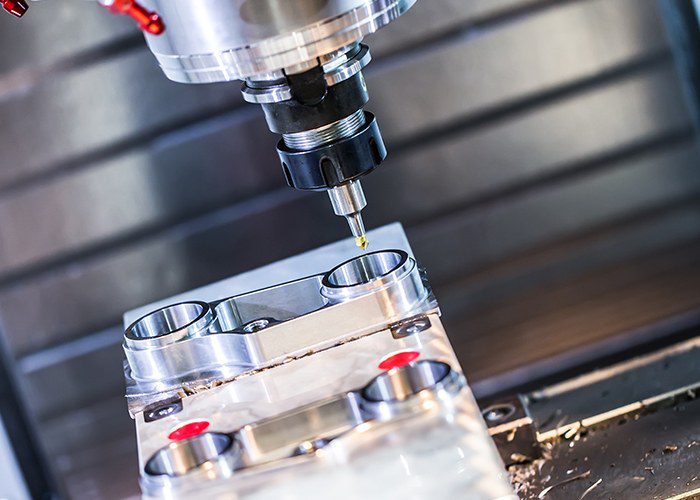
At its core, CNC (Computer Numerical Control) turning is a subtractive manufacturing process. A block of metal, known as a workpiece, is securely clamped and rotated at high speed on a spindle. A stationary, computer-directed cutting tool is then precisely fed into the spinning material, shearing away layers to achieve the desired shape, diameter, and surface finish. This fundamental operation is performed on a lathe, or more specifically, a CNC turning center. Unlike manual lathes, where every movement is guided by a skilled machinist, CNC turning relies on pre-programmed software (G-code) that dictates every aspect of the operation—the tool’s path, speed, depth of cut, and feed rate. This digital blueprint guarantees exceptional repeatability, allowing for the production of hundreds or thousands of identical parts with microscopic consistency.
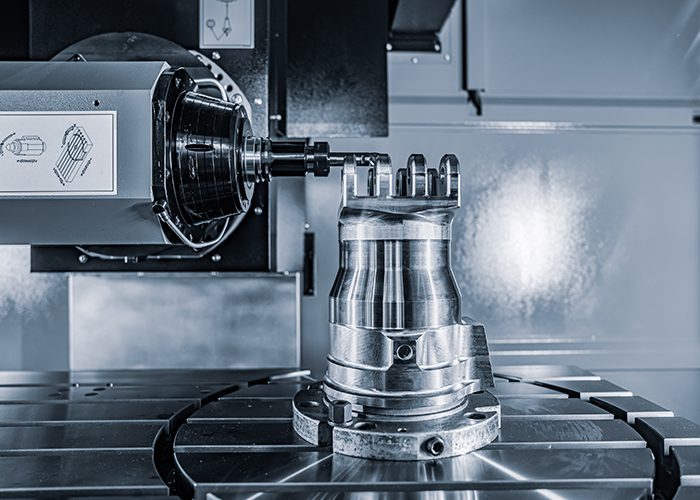
The true power of CNC metal turning lies in its remarkable capabilities. It excels at creating cylindrical or conical forms—shafts, bushings, pins, and threaded components are its classic products. However, modern multi-axis CNC lathes, often equipped with live tooling and secondary spindles, can perform milling, drilling, and tapping operations in a single setup. This “done-in-one” philosophy transforms a simple lathe into a multifaceted machining cell, capable of producing extraordinarily complex geometries with features not on the part’s central axis. The precision achievable is staggering, with tolerances routinely held within thousandths of a millimeter (or tenths of a thousandth of an inch), and surface finishes so smooth they resemble a mirror.
The materials compatible with CNC turning are as diverse as its applications. From common alloys like aluminum, stainless steel, and brass to more exotic or challenging metals such as titanium, Inconel, and tungsten, the process can be tailored to suit the material’s properties. Cutting parameters, tool geometries, and coolants are meticulously selected to optimize chip formation, manage heat, and maximize tool life. This adaptability makes CNC turning indispensable across sectors. In aerospace, it machines robust, lightweight landing gear components and engine parts. The automotive industry relies on it for transmission shafts, valves, and connectors. From the minute,precision components in medical implants and surgical tools to the robust flanges and fittings in oil and gas pipelines, turned metal parts are ubiquitous.
The advantages over traditional manual turning or other manufacturing methods are compelling. First and foremost is the unparalleled accuracy and repeatability, which directly translates to higher quality and reduced waste. Automation allows for lights-out manufacturing, where machines can run unsupervised for extended periods, dramatically boosting productivity and lowering per-part costs for high-volume runs. Furthermore, while the initial programming requires expertise, it encapsulates the “knowledge” of the part. Once proven, any operator can run the program, reducing dependency on a single master craftsman and ensuring knowledge retention. The process is also highly efficient with material; modern software can optimize tool paths to minimize scrap.
However, the journey from a metal blank to a finished part is not without its considerations. The initial investment in CNC machinery and software is significant. Effective operation demands skilled programmers and technicians who understand both the metallurgy of the workpiece and the intricacies of the machine. Furthermore, for very simple parts or extremely low-volume prototypes, the time and cost of programming might not justify using a CNC turner, where a manual lathe or alternative process could be more economical.
In conclusion, CNC metal turning is far more than just a machining process; it is a synthesis of digital intelligence and mechanical precision. It represents the evolution of one of humanity’s oldest shaping techniques into a high-tech discipline that meets the relentless demands of the contemporary world for precision, complexity, and scale. As the bridge between digital design and physical reality, it continues to shape not only metal but also the very landscape of modern industry, enabling innovation in every field that depends on reliable, precisely engineered components. From the cars we drive to the devices we hold and the systems that power our cities, the silent, rotating work of the CNC lathe is an indispensable force in the creation of our material world.


