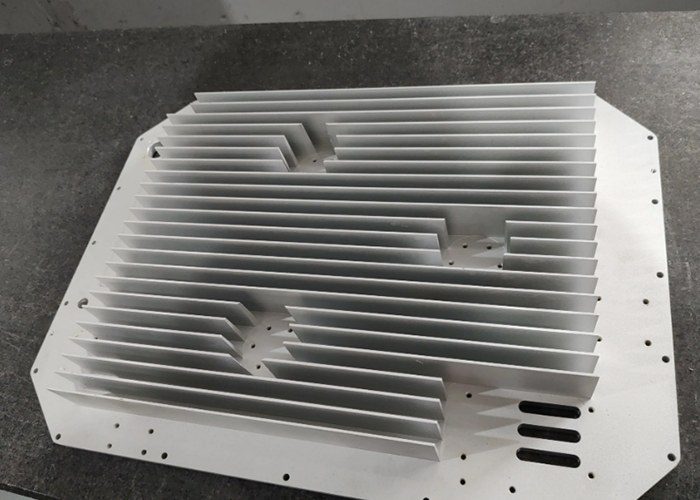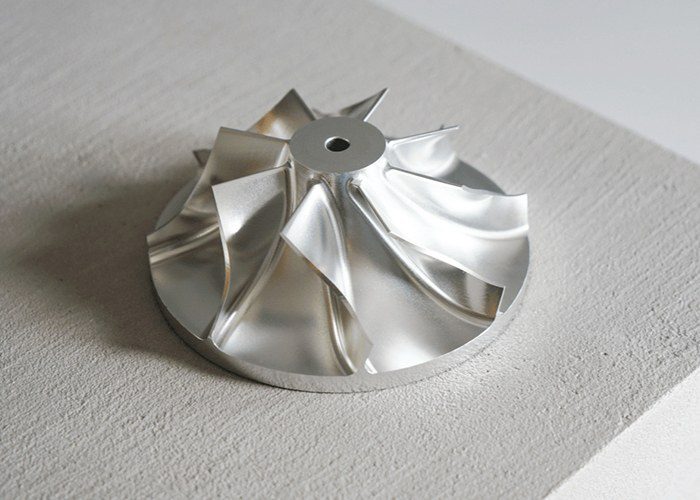
In the modern world, we are surrounded by marvels of engineering. From the intricate turbines powering jet engines to the life-saving implants used in orthopedic surgery, the physical objects that define our era share a common, often invisible, origin: precision CNC machining. This is not merely a manufacturing process; it is the foundational technology that translates digital concepts into tangible, high-performance realities. Precision CNC (Computer Numerical Control) machining services represent the pinnacle of this capability, offering an unparalleled combination of accuracy, repeatability, and material versatility that drives innovation across virtually every industry.
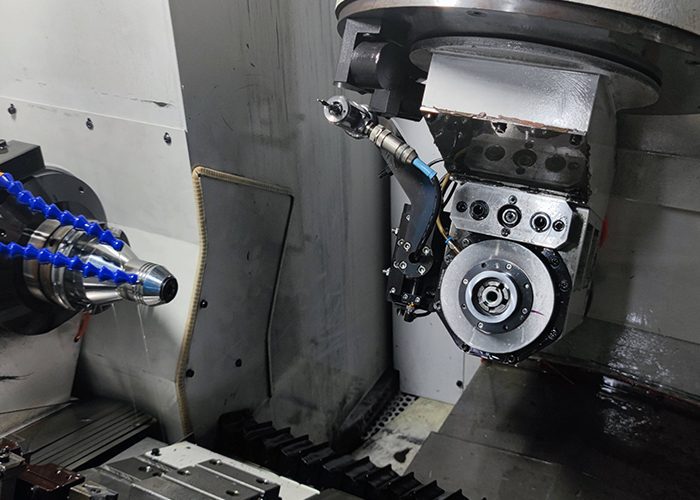
CNC machining is a subtractive process in which pre-programmed software directs the movement of factory equipment. This enables the production of complex three-dimensional geometries with a precision far beyond the reach of manual operation. When the word “precision” is added, the stakes are elevated. Precision CNC machining refers to the ability to consistently hold extremely tight tolerances, often measured in microns—a fraction of the width of a human hair. This is not a luxury but a strict requirement for components that must fit together perfectly under extreme conditions, such as those found in aerospace, medical devices, and automotive racing.
The true value of a professional precision CNC machining service lies not just in its machinery, but in its comprehensive ecosystem of capabilities. A state-of-the-art facility is typically equipped with a range of multi-axis milling machines, advanced lathes, and electrical discharge machining (EDM) centers. The transition from 3-axis to 5-axis machining, for instance, has been a game-changer. It allows a single setup to machine complex parts from multiple angles, dramatically reducing production time, improving accuracy by eliminating multiple fixturing errors, and enabling the creation of highly complex geometries like impellers and turbine blades in a single, seamless operation.
Materials are another critical dimension of this field. The ability to machine a diverse array of materials is what makes these services indispensable. This includes everything from standard metals like aluminum and steel to high-performance alloys such as Inconel and titanium, which are notoriously difficult to work with due to their strength and heat resistance. Additionally, a versatile manufacturer must be equally skilled at processing high-performance plastics, including PEEK and acrylic, both of which are critical to the medical and electronics sectors. The knowledge of how to manage tool paths, cutting speeds, and cooling fluids for each specific material is a form of specialized expertise that separates a true precision machine shop from a generic fabrication house.
The applications of these services are a testament to their critical role. In the medical sector, precision machining is used to create surgical tools, implantable devices, and the components for diagnostic equipment. The human body does not accept approximations; a bone screw or a spinal rod must be manufactured to exact specifications to ensure patient safety and successful outcomes. Similarly, in the aerospace and defense industries, the margin for error is zero. Components for aircraft landing gear, fuel systems, and avionics housings must withstand immense stress and temperature variations. Precision CNC machining provides the reliability and certification-ready traceability that these demanding sectors require.
Beyond these high-stakes fields, precision CNC services are the backbone of the automotive and motorsports industries. The relentless pursuit of performance and fuel efficiency drives the need for lightweight, high-strength components. From cylinder heads to custom gearbox housings, the ability to prototype and produce parts with speed and accuracy is vital. Even in the burgeoning field of renewable energy, precision machining is essential for creating the complex gears and bearings found in wind turbines and the precision components used in solar tracking systems.
Perhaps the most transformative aspect of modern precision CNC machining services is their adaptability to various production volumes. The technology is equally capable of fabricating a single, intricate prototype for validation as it is of executing mass-production runs for thousands of identical components. This flexibility is crucial for companies at any stage of development. It allows for rapid iteration and innovation during the design phase and a seamless transition to full-scale manufacturing without compromising on quality. This is often referred to as “scalable manufacturing,” a process that helps businesses bring their products to market faster and more efficiently than ever before.
Looking towards the future, the evolution of precision CNC machining is far from over. The integration of Industry 4.0 technologies is creating “smart factories” where machines are connected, monitored, and optimized in real-time. This leads to predictive maintenance, reduced downtime, and even greater efficiency. Furthermore, the convergence of CNC machining with additive manufacturing (3D printing) is emerging as a powerful hybrid approach, using the strengths of each process to create parts that were previously impossible to manufacture.
In conclusion, a Precision CNC Machining Service is more than just a supplier of parts; it is a strategic partner in innovation. By providing the ability to create highly complex, durable, and accurate components from a vast array of materials, these services empower industries to push the boundaries of what is possible. They are the unseen architects of our modern world, turning the blueprints of the future into the high-performance realities of today.