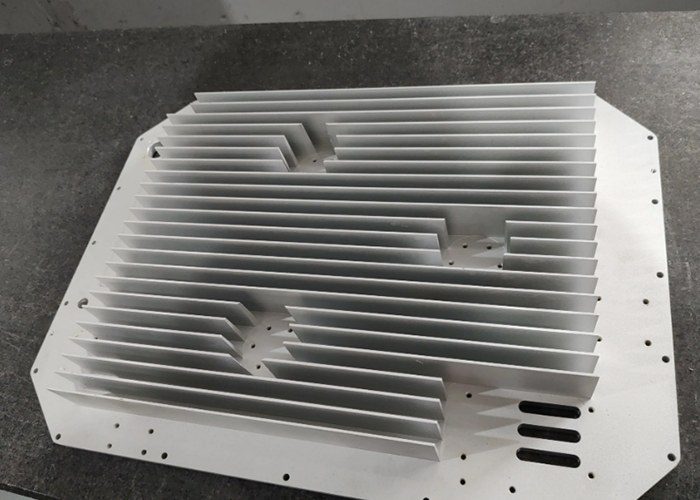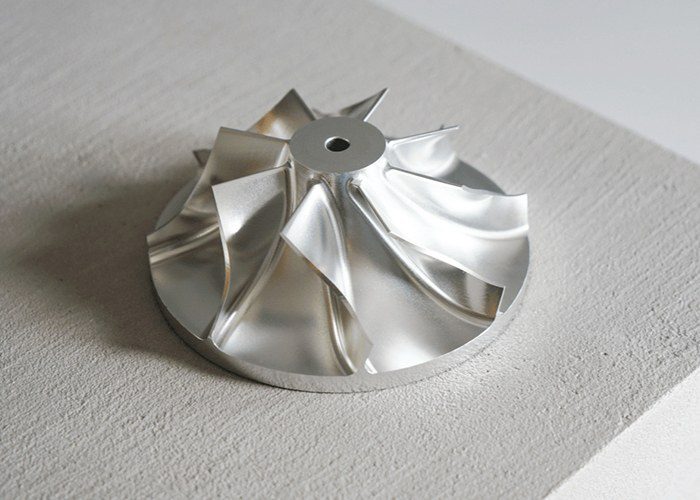
In the rapidly evolving landscape of modern manufacturing, custom CNC machining of aluminum parts has emerged as a cornerstone technology that drives innovation across industries. From aerospace components to consumer electronics, the demand for lightweight, durable, and precisely engineered aluminum parts continues to grow at an unprecedented pace. This article explores the fundamental aspects, advantages, and transformative potential of custom CNC machining aluminum parts.
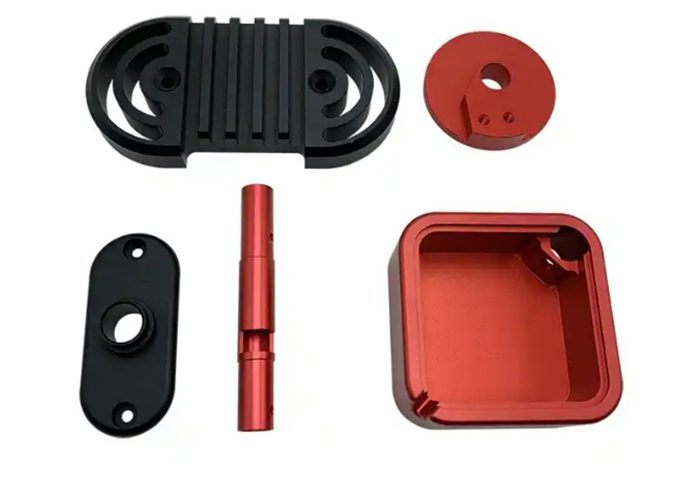
Understanding Custom CNC Aluminum Machining
Custom CNC aluminum machining is a subtractive manufacturing process that utilizes computer-controlled equipment to remove material from aluminum blocks or bars, creating parts with complex geometries and tight tolerances. The process begins with a 3D CAD model, which is converted into machine-readable instructions through CAM software. These instructions guide CNC mills, lathes, and other machining centers to cut, drill, and shape the aluminum workpiece with remarkable precision.
The versatility of CNC machining allows for the creation of both small, intricate components and large structural parts. Unlike traditional machining methods, CNC automation enables faster production cycles, consistent quality, and the ability to produce parts with unique surface finishes or textures.
Why Aluminum? The Material Advantage
Aluminum is exceptionally well-suited for CNC machining due to its unique combination of properties. The material offers an excellent strength-to-weight ratio, making it ideal for applications where durability is essential without adding unnecessary mass. It chips cleanly during machining, unlike softer metals that tend to become sticky or tear, and it allows for high-speed operations without excessive tool wear.
Furthermore, aluminum naturally exhibits corrosion resistance and can be further protected through surface treatments such as anodizing or powder coating. Its thermal and electrical conductivity, low density, and good ductility make it a preferred choice for performance-critical applications.
Selecting the Right Aluminum Alloy
Not all aluminum grades behave the same way during machining. The choice of alloy significantly impacts the part’s mechanical properties, machinability, and cost-effectiveness. Among the most commonly used grades are 6061, 7075, 5052, and 2024.
Renowned for its exceptional versatility, 6061 aluminum ranks among the most extensively used alloys available. It offers a solid balance of strength, lightweight properties, and excellent machinability, making it suitable for a broad range of structural and general-purpose applications. It generates short, brittle chips, making it generally more cost-effective to machine than higher-strength alloys.
7075 aluminum, on the other hand, is a high-strength alloy often used in aircraft and aerospace applications. It provides significantly higher strength and hardness than 6061 but requires carbide or PCD tools due to its greater hardness. While it offers superior cutting precision for complex shapes, it is generally more challenging and costly to machine.
Other grades like 5052 are favored for marine applications due to their corrosion resistance, while 2024 is commonly used in high-performance aerospace components.
The Manufacturing Process
The production of custom CNC machined aluminum parts follows a systematic workflow. It starts with design and programming, where engineers create a detailed CAD model and convert it into a CNC program. The appropriate aluminum alloy is then selected based on the part’s functional requirements.
The actual machining phase involves CNC milling, turning, drilling, and tapping operations. CNC milling, the backbone of aluminum machining, removes material from a solid block to achieve the desired shape and dimensions. Multi-axis CNC machines, including 3-, 4-, and 5-axis systems, enable the creation of complex geometries with micron-level accuracy.
Once machining is complete, parts undergo rigorous inspection using coordinate measuring machines (CMM) and other quality control techniques to verify dimensional accuracy. Surface treatments such as anodizing, powder coating, or polishing are then applied to enhance corrosion resistance, wear resistance, and aesthetic appeal.
Applications Across Industries
Custom CNC machined aluminum parts find applications across virtually every sector of modern industry. In aerospace, aluminum components are used for aircraft structures, fuselage parts, and landing gear components due to their lightweight strength and durability. The material’s ability to withstand extreme conditions while minimizing weight is critical for fuel efficiency and performance.
The automotive industry relies on CNC-machined aluminum for engine components, transmission parts, brackets, and custom fittings. Owing to its low density, aluminum enables a reduction in curb weight and an improvement in fuel economy, without compromising structural performance.
In consumer electronics, aluminum CNC parts are used for smartphone housings, laptop enclosures, and heat sinks. The material’s thermal conductivity and aesthetic appeal make it ideal for devices that require both functionality and visual quality.
The medical sector utilizes precision aluminum parts for surgical instruments, implants, and medical device components. The material’s biocompatibility and corrosion resistance ensure long-term reliability in critical healthcare applications.
Challenges and Solutions
Despite its advantages, machining aluminum presents certain challenges. Aluminum’s soft and somewhat “gummy” nature can lead to built-up edge (BUE) formation on cutting tools, which degrades surface quality and tool life. Chip evacuation is another concern, as long, continuous chips can clog tool flutes if not properly managed.
To address these challenges, manufacturers employ specialized tooling with optimized flute designs and appropriate helix angles to improve chip evacuation. The combination of high‑speed machining techniques, state‑of‑the‑art cooling systems, and optimized cutting fluid strategies enables superior heat control while safeguarding machining stability. The integration of real-time monitoring and control systems further enhances machining accuracy and consistency.
Future Trends and Market Growth
The global market for aluminum CNC machining services is experiencing robust growth. Estimates indicate that the market was valued at approximately $3.57 billion in 2024 and is projected to reach $5.81 billion by 2031, representing a compound annual growth rate of 7.2%.
Key trends shaping the industry include the pursuit of greater precision and miniaturization, driven by demand from electronics, medical devices, and aerospace. Automation and robotics integration are streamlining operations and reducing labor costs. Sustainability is also becoming increasingly important, with manufacturers optimizing processes to minimize waste and energy consumption while leveraging aluminum’s high recyclability.
Conclusion
Custom CNC machining aluminum parts represents a powerful synergy between advanced manufacturing technology and one of the most versatile engineering materials available. The combination of aluminum’s exceptional properties—lightweight strength, corrosion resistance, and excellent machinability—with the precision and repeatability of CNC machining enables the production of components that meet the most demanding specifications.
As industries continue to push the boundaries of what is possible, custom CNC aluminum machining will remain an essential manufacturing capability, driving innovation, efficiency, and sustainability across the global economy. Whether for prototyping or full-scale production, this technology empowers engineers and designers to transform their most ambitious concepts into reality.