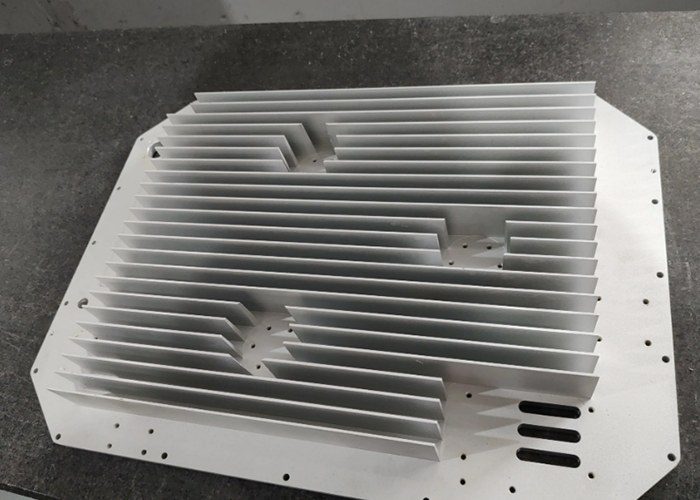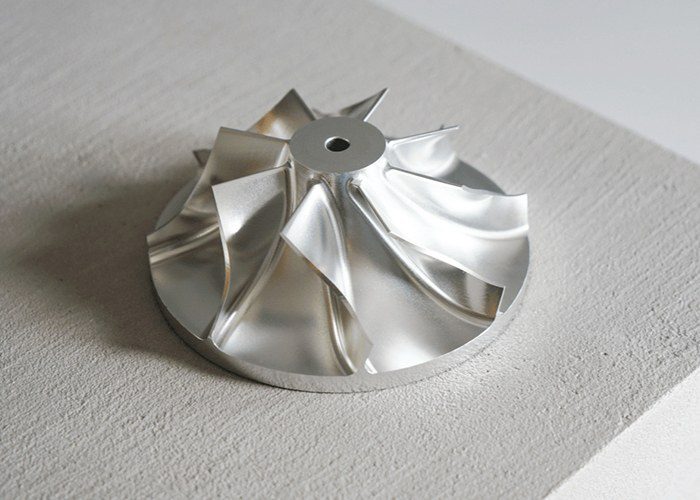
In the world of precision manufacturing, the combination of CNC machining and anodizing has emerged as a definitive standard for producing high-performance aluminum components. This integrated approach addresses both the structural and surface requirements of parts in a single, streamlined manufacturing workflow. By uniting the dimensional precision of computer-controlled machining with the protective and aesthetic benefits of electrochemical surface treatment, manufacturers can deliver components that not only meet exacting geometric specifications but also exhibit superior durability, corrosion resistance, and visual appeal.
Understanding the Synergy
The relationship between CNC machining and anodizing is truly symbiotic. CNC machining—an automated manufacturing process that controls machinery such as lathes, mills, and drills—produces complex geometries with tight tolerances and intricate features required by modern engineering designs. Anodizing then provides a protective, functional, and decorative surface that extends part life and improves performance.
The precision achieved through CNC machining ensures that the subsequent anodized layer will be uniform and consistent across the entire part surface. Conversely, anodizing shields the machined features from environmental degradation over the part’s service life. This combination is particularly valuable because it addresses both dimensional accuracy and surface performance without compromising either.
The Anodizing Process Explained
Anodizing is an electrochemical process that converts the metal surface into a decorative, durable, corrosion-resistant anodic oxide finish. Unlike paint or plating—applied as superficial films—anodizing transforms the metal’s substrate, creating an oxide layer that is inherent to the material rather than an additive surface deposit. This means the finish is far less likely to peel, chip, or flake under normal use.
The process involves several critical stages following CNC machining. Components are first meticulously cleaned and pre-treated to remove machining oils, lubricants, and other contaminants. The parts are then submerged in an electrolytic bath—typically containing sulfuric acid—where an electric current is applied. The aluminum part acts as the anode (positive electrode), causing oxygen ions to react with the surface metal and build a porous aluminum oxide layer. The layer thickness and density are precisely controlled through voltage, current density, bath temperature, and immersion time. For colored finishes, the porous structure can absorb dyes before being sealed in hot deionized water or nickel acetate solutions—a vital step that maximizes corrosion resistance and locks in the color.
Types of Anodizing for CNC Parts
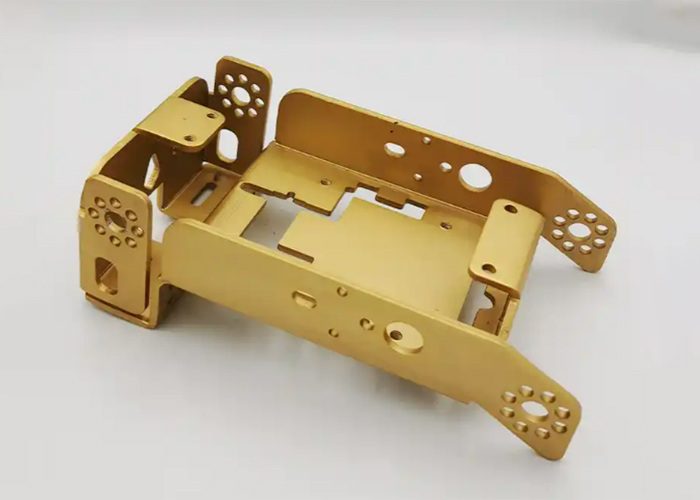
Two primary types of anodizing are commonly specified for CNC-machined components. Type II, or standard anodizing, produces a coating thickness of 5 to 25 micrometers and is widely used when appearance, corrosion protection, and color options are prioritized. It supports a broad range of decorative colors—including black, red, blue, gold, and clear—making it ideal for consumer electronics enclosures, automotive exterior parts, and general industrial components.
Type III, known as hardcoat anodizing, creates a thicker and denser oxide layer ranging from 25 to over 100 micrometers. This provides exceptional wear resistance and surface hardness, making it suitable for components that must survive sliding contact, abrasive wear, repeated handling, or harsh shop-floor conditions. Hard anodizing is commonly specified for aerospace, defense, and heavy industrial applications where durability is paramount.
Key Benefits of Anodized CNC Parts
The advantages of combining CNC machining with anodizing are extensive and well-documented. First and foremost, anodizing significantly extends the part’s lifespan by hardening the surface and providing excellent corrosion and wear resistance. The anodized layer is exceptionally durable, resisting scratching, fading, and corrosion while maintaining the dimensional accuracy and tight tolerances achieved during CNC machining.
Anodizing also provides superior protection against environmental degradation. The oxide layer acts as a barrier that prevents oxidation and corrosion, which is particularly important for components exposed to harsh environments, moisture, or chemicals. Additionally, the anodized layer is an excellent electrical insulator, providing dielectric properties that are valuable for electronic and electrical applications.
From an aesthetic perspective, anodizing lends an attractive metallic finish that can be customized in virtually any color except white. The finish maintains its appearance under UV exposure and temperature variations, outperforming painted surfaces in terms of long-term durability. Unlike many other surface treatments, anodizing is environmentally superior, since it contains neither heavy metals nor volatile organic compounds.
Applications Across Industries
The CNC machining and anodizing combination finds applications across virtually every major industry. In aerospace, anodized components offer the strength-to-weight ratio, corrosion resistance, and stringent tolerance control required for critical flight hardware. The automotive sector relies on anodized CNC parts for engine components, suspension systems, and exterior trim where performance and reliability are crucial.
Consumer electronics manufacturers specify anodized aluminum for device housings, enclosures, and heat sinks, benefiting from the combination of precision machining, thermal management, and premium aesthetics. The medical device industry values anodized components for their biocompatibility, cleanability, and resistance to sterilization processes. Industrial automation, robotics, and defense applications similarly depend on the durability and reliability that anodized CNC parts provide.
Design Considerations and Best Practices
While the benefits are substantial, engineers and buyers should be aware of several important considerations when specifying anodized CNC parts. The anodizing process adds a controlled thickness to the part surface, which can affect dimensions and tolerances. This dimensional growth must be accounted for during the design and machining phases. Some hardcoat parts are machined with compensation already built into the CAD model or toolpath to ensure final dimensions meet specifications.
Color matching between batches can vary slightly, and absolute 100% color accuracy is difficult to achieve. It is also worth noting that anodizing results in electrically non-conductive aluminum parts, which may be either an advantage or a limitation depending on the application. Finally, certain portions of a part’s surface—such as areas with sharp edges or tight internal features—may not anodize as uniformly as others.
Conclusion
CNC machining service with anodizing represents a complete manufacturing solution that delivers components with exceptional precision, durability, and aesthetic quality. By integrating these two complementary processes, manufacturers can produce parts that meet the demanding requirements of aerospace, automotive, medical, electronics, and industrial applications. The result is a finished component that not only fits perfectly and functions reliably but also maintains its performance and appearance throughout an extended service life. For any project requiring aluminum parts that must withstand the test of time and environment, the combination of CNC machining and anodizing remains the gold standard in precision manufacturing.