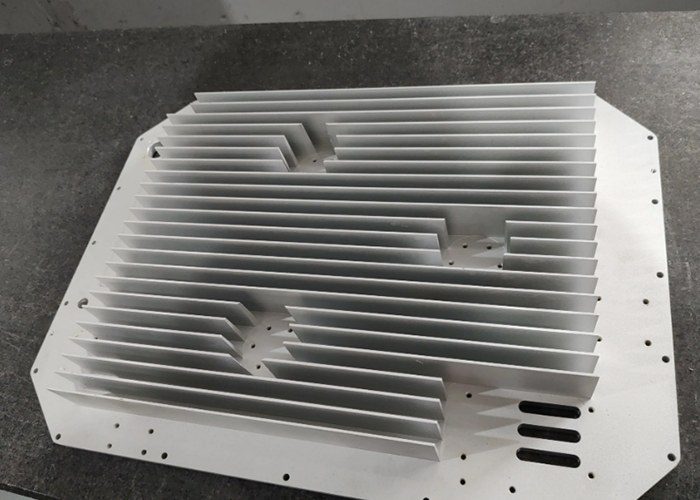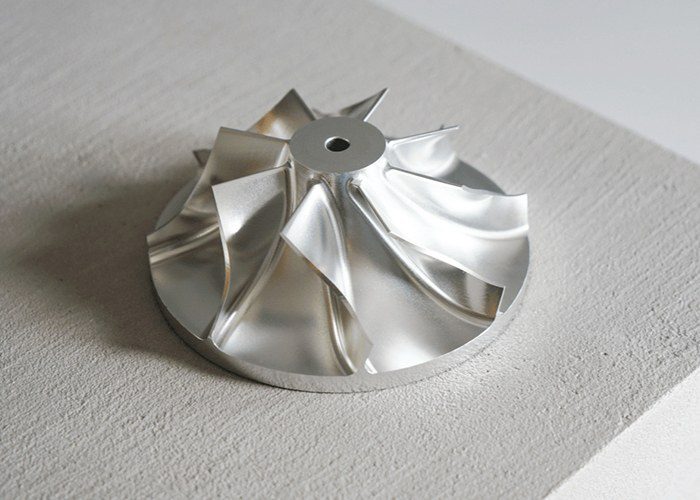
In the modern manufacturing landscape, few material-and-process combinations offer the versatility, durability, and aesthetic appeal of CNC machined anodized aluminum parts. By marrying the dimensional precision of computer numerical control (CNC) machining with the surface-enhancing power of anodizing, engineers and product designers can create components that excel in demanding applications—from aerospace and automotive to consumer electronics and medical devices. Understanding how these two processes work together, and why they are so widely adopted, is essential for anyone involved in precision component manufacturing.
What Is Anodizing and Why Is It Applied to CNC Parts?
Anodizing is an electrochemical technique that promotes the growth of the inherent oxide film on aluminum substrates. When an aluminum part is immersed in an acid electrolyte bath and subjected to an electrical current, oxygen reacts with the aluminum surface to form a controlled layer of aluminum oxide. Unlike paint or plating, which add a separate coating on top of the material, anodizing converts the surface of the aluminum itself into oxide. This integral bond means the finish is far less likely to peel, chip, or flake under normal use.
For CNC machined parts, anodizing is often specified when the component must maintain a clean, professional appearance after repeated handling or assembly. Electronics housings, fixture components, brackets, and consumer-facing products commonly rely on anodized finishes for exactly this reason.
The Anodizing Process: From Machined Part to Finished Component
The journey from raw aluminum stock to a finished anodized part involves several critical stages. First, the part is produced through CNC milling, turning, drilling, or other subtractive processes to achieve the required geometry and tight tolerances. Once machining is complete, the surface must be thoroughly prepared. The part is cleaned to remove all dirt, grease, and machining oils using solvents or detergent solutions. Any burrs or sharp edges are removed to prevent current concentration and uneven film formation during anodizing.
Next, the cleaned part is immersed in the anodizing bath—commonly sulfuric acid—and connected as the anode in the electrolytic circuit. The oxide layer grows both outward from the original surface and inward into the base material. The thickness of this layer can be controlled by adjusting parameters such as current density, temperature, and immersion time. For conventional decorative anodizing, the oxide film typically ranges from 5 to 25 microns; hard anodizing (Type III) can produce layers up to 50 microns or more.
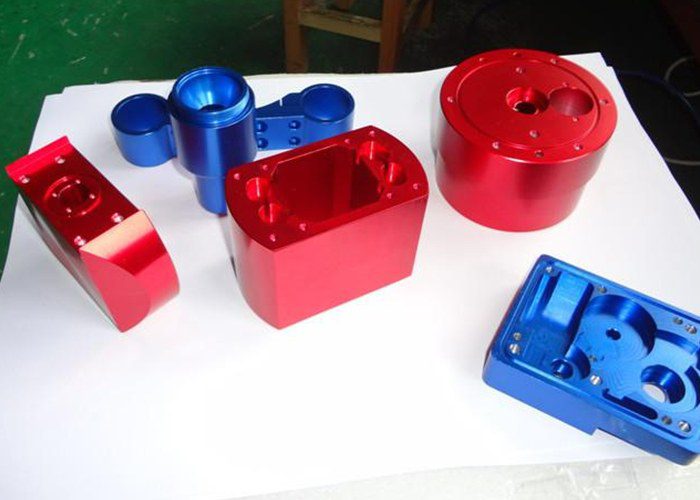
After the oxide layer has formed, the porous structure can be dyed in a wide range of colors—including black, red, gold, blue, and custom shades—before the pores are sealed to lock in the color and enhance corrosion resistance.
Key Advantages of Anodized Aluminum CNC Parts
The combination of CNC machining and anodizing delivers a compelling set of engineering benefits. First and foremost is corrosion protection. The anodic oxide layer provides superior resistance to salt spray, humidity, and harsh environments, making anodized parts ideal for outdoor and marine applications.
Second is surface hardness and wear resistance. The anodic film has significantly higher hardness than bare aluminum, particularly with hard anodizing, which can achieve surface hardness up to approximately 500 HV. This makes anodized components well-suited for sliding parts, handles, and control panels that experience repeated friction.
Third is aesthetic versatility. Anodized finishes can be clear (preserving the metallic look), dyed in vibrant colors for branding or industrial design, or finished with a matte or glossy appearance. The finish is uniform and professional, and it can help hide minor surface imperfections from machining.
Fourth, the process is environmentally friendly, avoiding volatile organic compounds and using recyclable electrolytes.
Critical Design Considerations
While the benefits are substantial, successful application requires careful planning. Anodizing will not cover up surface flaws; on the contrary, it magnifies CNC tool marks, scratches, and existing blemishes. This means the machined surface quality must be excellent before anodizing begins.
Dimensional changes are another critical factor. The oxide layer adds approximately 0.001 inches (25 microns) per surface, which can affect hole sizes, thread fits, and sliding clearances. For precision parts with bearing bores or close mating surfaces, machining allowances must be planned before anodizing starts. Material selection also matters: alloys such as 6061-T6, 5052-H32, and 7075 anodize cleanly and consistently, while high-silicon or magnesium cast alloys can produce uneven finishes.
Industries and Applications
The combination of precision and protection makes CNC machined anodized aluminum parts indispensable across numerous sectors. In aerospace, lightweight, corrosion-resistant components are critical for structural parts, mounts, and enclosures. The automotive industry relies on anodized parts for custom brackets, engine components, decorative trims, and pedal assemblies. Consumer electronics benefit from device housings, laptop frames, and heat sinks that combine thermal performance with a premium appearance. Medical devices use anodized aluminum for surgical tools and housings where cleanliness and biocompatibility are paramount. Robotics and automation depend on precision brackets, sensor mounts, and linkages that must survive millions of cycles.
Conclusion
CNC machining anodized aluminum parts represents a mature, reliable, and highly versatile manufacturing solution. The precision of CNC machining delivers the geometric accuracy and repeatability that modern engineering demands, while anodizing provides the surface durability, corrosion resistance, and aesthetic refinement that elevate components from functional to exceptional. When properly specified and executed—with careful attention to material selection, surface preparation, and dimensional planning—this combination produces parts that perform reliably in the most demanding environments, from the factory floor to outer space.