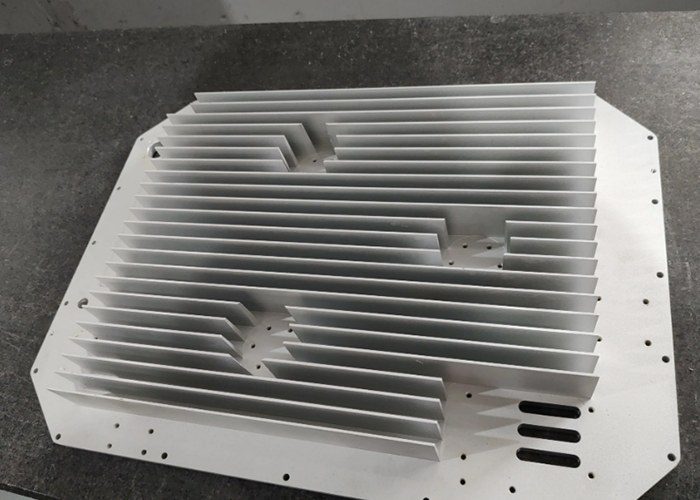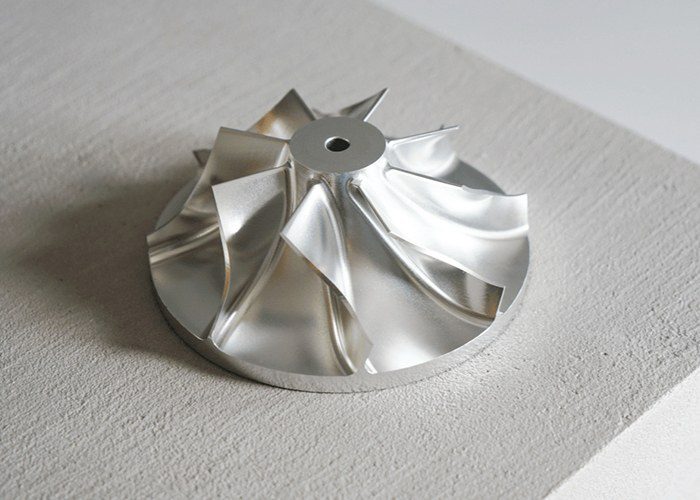
In an era where micrometres can determine the success or failure of a product, precision CNC machined metal parts have emerged as the cornerstone of advanced manufacturing. From the turbine blades of commercial jet engines to the surgical instruments used in operating rooms, these precisely engineered components enable the technologies that define modern life. This article explores the technology, capabilities, applications, and future trajectory of precision CNC machined metal parts.
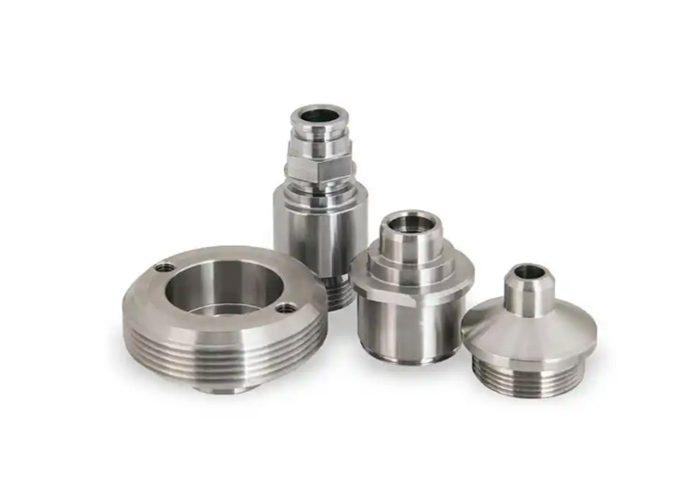
Understanding Precision CNC Machining
Precision CNC (Computer Numerical Control) machining is a subtractive manufacturing process in which computer-controlled tools remove material from solid metal stock to produce parts with exceptionally tight dimensional accuracy. While standard CNC machining typically achieves tolerances of approximately 0.12 to 0.2 millimetres, precision machining pushes far beyond these limits—capable of holding tolerances as close as 0.0001 inches (0.0025 millimetres). This extraordinary level of accuracy is achieved through specialized machine tools, optimized cutting parameters, and expert process control.
The journey from design to finished part begins with computer-aided design (CAD) software, where engineers create detailed 3D models specifying every dimension, tolerance, and surface feature. These digital blueprints are then translated into machine-readable instructions through computer-aided manufacturing (CAM) systems, which generate the toolpaths that guide cutting tools with micron-level precision. Modern machining centres, particularly five-axis machines, can execute complex operations—milling, turning, drilling, and threading—in a single setup, dramatically reducing production time while enhancing accuracy.
The Capabilities That Define Precision
Two critical metrics define the quality of precision machined metal parts: dimensional tolerance and surface finish. Tolerances specify the allowable deviation from a part’s nominal dimensions. For general industrial components, tolerances of ±0.05 millimetres may suffice, while aerospace and medical applications frequently demand ±0.01 millimetres or tighter. Surface finish, measured in Ra (roughness average) values, ranges from standard machined finishes at Ra 3.2 micrometres to high-precision functional surfaces at Ra 0.8 micrometres or lower. Achieving tighter tolerances and finer finishes requires more precise machines, slower cutting speeds, additional inspection steps, and skilled operators—factors that directly impact manufacturing costs.
The versatility of precision CNC machining is equally remarkable. The process accommodates an extensive range of metals, including aluminium alloys, various steel grades, stainless steels, tool steels, titanium, and exotic superalloys. This material flexibility makes the technology suitable for everything from lightweight automotive components to high-strength aerospace structures and biocompatible medical implants.
Critical Applications Across Industries
Precision CNC machined metal parts serve as enabling technologies across virtually every advanced industry sector.
In aerospace and defence, these components form the backbone of mission-critical systems. Jet engine blades, landing gear components, satellite brackets, and fuel system parts must withstand extreme temperatures, pressures, and vibrations while maintaining absolute integrity. The industry’s uncompromising standards—often governed by certifications such as AS9100—make precision machining indispensable.
The medical device industry perhaps represents the most demanding application, where precision is not merely a preference but a life-or-death necessity. Surgical instruments require fine tolerances and smooth surface finishes to support precise handling during procedures. Orthopaedic implants and dental components must achieve exacting dimensional accuracy while utilizing biocompatible materials such as titanium and medical-grade stainless steel. Diagnostic equipment housings, medical pump components, and rehabilitation devices all rely on precision machined parts to ensure consistent quality and performance.
In automotive manufacturing, precision components enhance vehicle performance, safety, and efficiency. Fuel injectors, transmission parts, valve components, and structural elements require the tight tolerances that only precision machining can deliver. The industry’s ongoing shift toward lightweight, high-strength materials further amplifies the demand for advanced machining capabilities.
Beyond these flagship sectors, precision CNC machined parts are essential in electronics (connectors, housings, heat sinks), robotics and automation (gearing systems, structural elements), energy generation (turbine components), and semiconductor manufacturing (wafer-handling components, vacuum chamber parts).
The Future of Precision Machining
The precision machining market is experiencing robust growth, driven by increasing demand for high-accuracy components across automotive, aerospace, electronics, and healthcare sectors. The global CNC metal cutting service market was valued at approximately US$52.7 billion in 2024 and is projected to reach US$88.6 billion by 2031, reflecting a compound annual growth rate of 7.7 percent. The precision machining market as a whole is estimated at US$112.2 billion in 2025, with expectations of reaching US$194.5 billion by 2032.
Emerging trends are reshaping the industry landscape. The integration of artificial intelligence and digital twin technologies enables machining path optimization, tool life prediction, and real-time quality monitoring. “Cloud machining” platforms are facilitating equipment resource sharing and remote collaborative manufacturing. Meanwhile, the convergence of additive manufacturing with precision CNC machining is opening hybrid production possibilities that combine the design freedom of 3D printing with the dimensional accuracy and surface quality of subtractive processes.
Conclusion
Precision CNC machined metal parts represent far more than simple components—they are the unsung enablers of modern technological achievement. From the aircraft that carry us across oceans to the medical devices that save lives, these meticulously crafted parts deliver the reliability, accuracy, and performance that advanced industries demand. As manufacturing continues its trajectory toward greater intelligence, integration, and sustainability, precision CNC machining will undoubtedly remain at the heart of industrial innovation, transforming ambitious designs into tangible realities with micron-level fidelity.