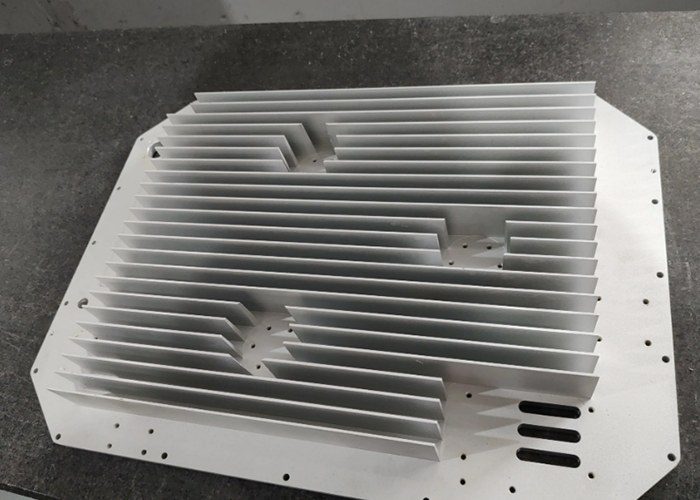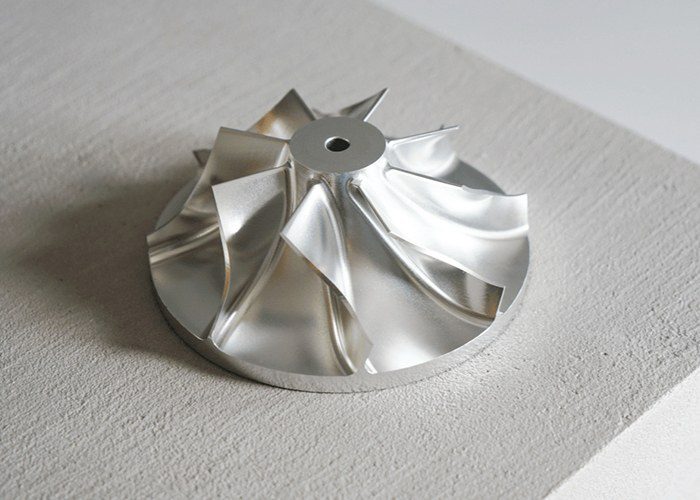
In the vast and interconnected world of manufacturing, few terms carry as much weight as “OEM.” Standing for Original Equipment Manufacturer, OEM mechanical parts are the unsung heroes behind countless machines, vehicles, and devices we rely on daily. Unlike generic or aftermarket components, OEM mechanical parts are produced specifically by the original maker of the equipment—or under their strict license—to match the exact design, material, and performance standards of the original product. From the pistons in a car engine to the gears in an industrial robot, these components form the backbone of precision, safety, and long-term reliability.
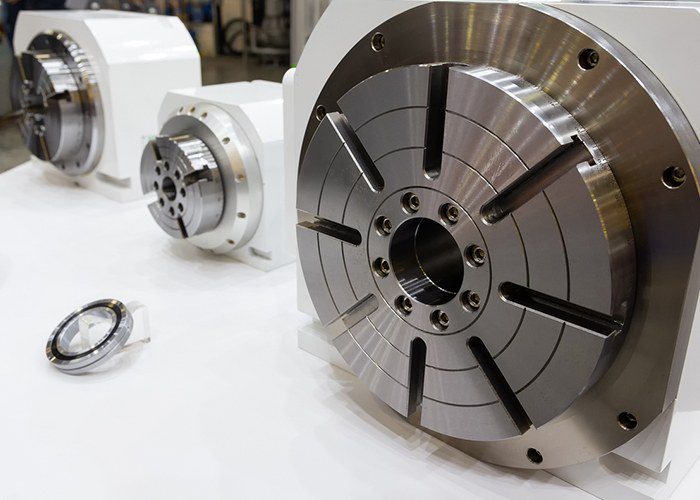
What Defines an OEM Mechanical Part?
At its core, an OEM mechanical part is an identical replica of a component used in the original assembly of a machine. This means that every dimension, tolerance, surface finish, and heat treatment process follows the original engineering blueprint. For example, if a construction excavator was built with hydraulic cylinders from a specific supplier, an OEM replacement cylinder will have the same bore diameter, stroke length, seal material, and even the same paint coating as the one that left the factory floor.
This strict adherence to original specifications is what distinguishes OEM parts from aftermarket alternatives. Aftermarket parts may claim to be “compatible,” but they rarely undergo the same rigorous validation. An OEM bolt, for instance, is not just a threaded rod—it is a fastener with a defined hardness grade, corrosion resistance, and fatigue life that has been tested in the exact assembly for thousands of hours.
Why Choose OEM Over Generic?
The decision to invest in OEM mechanical parts often comes down to three pillars: fit, function, and longevity.
Fit is the most immediate concern. OEM parts are machined from original drawings or reverse-engineered with permission, ensuring zero installation issues. A non-OEM bracket might be a millimeter off in hole spacing, leading to stress concentrations or misalignment that cascades into premature wear of adjacent components.
Function relates to performance. In precision equipment like CNC machining centers or medical imaging devices, even a 0.01mm deviation in a spindle bearing’s runout can ruin product quality. OEM parts guarantee that dynamic behaviors—vibration, thermal expansion, lubrication flow—match the original design intent.
Longevity is where true cost savings emerge. While an OEM gear may have a higher upfront price than a cheaper imitation, it will typically last two to three times longer because of superior metallurgy and heat treatment. Downtime, lost production, and labor for re-replacement often make generic parts far more expensive in the long run.
Critical Industries Relying on OEM Mechanical Components
Several sectors simply cannot compromise on part authenticity.
- Automotive & Heavy Trucks: To meet safety regulations and warranty requirements, engine internals (pistons, rings, camshafts), brake calipers, and steering racks must be genuine OEM parts. A failing aftermarket connecting rod at highway speed can be catastrophic.
- Aerospace: Here, OEM mechanical parts are legally mandated. Bolts, actuators, landing gear components, and hydraulic fittings must come with traceable certificates of conformance. A single non-OEM fastener on an aircraft could void insurance and violate airworthiness directives.
- Industrial Machinery: Conveyor systems, presses, and packaging lines rely on OEM rollers, bearings, and sprockets to maintain uptime in 24/7 operations. Many factories keep critical OEM spares on consignment to avoid weeks of waiting.
- Medical Devices: Surgical robots, MRI tables, and ventilators use custom screws, cams, and linkages. These parts must be OEM to ensure biocompatibility and sterilization resistance.
The Quality Assurance Behind OEM Parts
What truly justifies the OEM premium is the traceable quality system. Reputable manufacturers follow ISO 9001 or IATF 16949 standards, with each batch of parts accompanied by:
- Material certificates (e.g., 4130 steel with specific tensile strength)
- Dimensional inspection reports (CMM measurements)
- Non-destructive test records (magnaflux, ultrasound)
- Heat treatment charts (case depth, core hardness)
This paperwork creates accountability. If an OEM part fails prematurely, the manufacturer can trace it back to a specific casting, machining cell, or heat treatment furnace—and adjust the process immediately.
Sourcing and Supply Chain Considerations
Global supply chains have made OEM mechanical parts more accessible than ever, but also more vulnerable to counterfeits. Engineering managers should always purchase through authorized distributors or directly from the original manufacturer. Red flags include suspiciously low prices, lack of branded packaging, and missing laser-etched part numbers.
Many OEMs now offer kitting and just-in-time delivery for mechanical parts, bundling all necessary fasteners, seals, and bearings for a specific assembly task. This reduces inventory overhead and eliminates the risk of mixing OEM with inferior parts.
When Aftermarket Makes Sense (and When It Doesn’t)
There are niches where aftermarket mechanical parts are acceptable—for example, non-critical covers, simple brackets, or agricultural wear parts like plowshares. However, for any component that affects safety, precision, or major repair labor, OEM remains the gold standard. A rule of thumb: if failure of the part could injure someone or stop a million-dollar production line, use OEM.
Conclusion
OEM mechanical parts are more than just replacement components—they are the DNA of reliable machinery. By adhering to original specifications, materials, and quality processes, they ensure that equipment performs as intended, day after day, year after year. While the initial investment may be higher, the dividends in uptime, safety, and peace of mind are incalculable. In a world where corners are often cut, choosing OEM is a commitment to engineering integrity. Whether you are maintaining a fleet of trucks, a factory conveyor, or an aircraft, remember: the part is small, but its role is immense. Trust only the original.