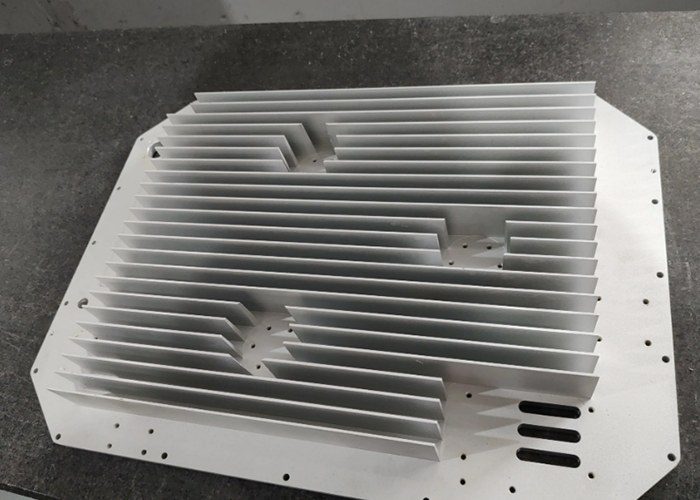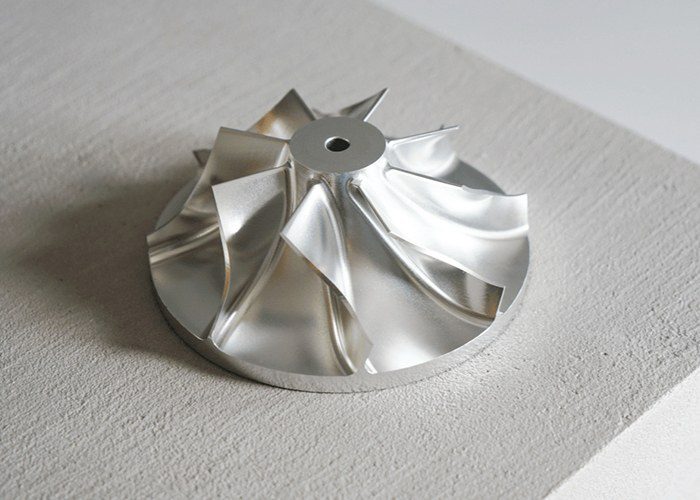
OEM mechanical hardware production underpins the global manufacturing ecosystem, yet remains one of its most underestimated pillars. This sector is the invisible scaffolding upon which countless industries—from automotive and aerospace to medical devices and consumer electronics—are built. While the end consumer may never see a custom-machined bracket, a precision gear, or a complex die-cast housing, these components are the silent enablers of functionality, safety, and reliability in the products we use every day.
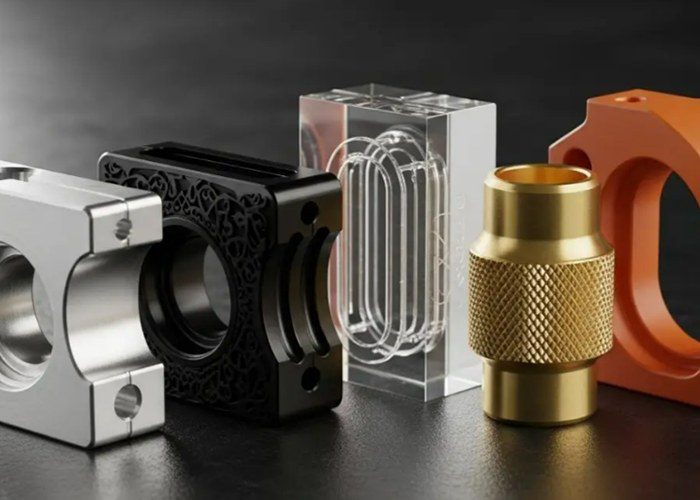
OEM mechanical hardware production is not merely about cutting metal or shaping plastic; it is a sophisticated discipline that merges metallurgy, precision engineering, supply chain logistics, and stringent quality control into a seamless process. To understand its significance, one must explore the lifecycle of a component, from a concept on a designer’s screen to a finished part installed in a flagship product.
The Alchemy of Material Selection and Precision Manufacturing
The journey begins not on the factory floor, but in the materials laboratory. Mechanical hardware is defined by its physical properties—tensile strength, hardness, thermal resistance, and corrosion tolerance. The OEM manufacturer must advise the client on material choices that balance performance with cost-efficiency. For instance, an aerospace fastener requires titanium or Inconel for its strength-to-weight ratio at high temperatures, while an automotive suspension component may utilize high-strength steel or ductile iron. In the consumer electronics realm, aluminum alloys are favored for their lightweight nature and aesthetic appeal when anodized.
Once materials are sourced, the production process bifurcates into subtractive and additive or formative methods. Subtractive manufacturing—CNC (Computer Numerical Control) milling, turning, and grinding—remains the gold standard for tight tolerances. Modern 5-axis machining centers can carve complex geometries from a solid billet with micron-level accuracy, creating components that fit together with the precision of a Swiss watch. On the other hand, formative processes like die-casting, forging, and stamping are indispensable for high-volume production. A high-pressure die-casting machine can produce thousands of intricate aluminum housings per day, offering economies of scale that CNC machining cannot match.
The true art lies in marrying these processes. A skilled OEM producer often uses a hybrid approach: forging a rough shape to align grain flow for strength, then CNC machining the critical mating surfaces to achieve the required flatness and surface finish.
The Uncompromising Fortress of Quality Assurance
In OEM mechanical hardware, quality is not a metric—it is a religion. A failure in a single bolt can ground an aircraft or halt a production line, costing millions. Consequently, the Quality Assurance (QA) and Quality Control (QC) framework is exhaustive. It begins with incoming material certification, verifying chemical composition via spectrometer analysis.
During production, in-process inspections are performed using Coordinate Measuring Machines (CMM), which probe the part’s dimensions against a 3D CAD model. Surface roughness testers ensure that the micro-finish is within spec to reduce friction and wear. Perhaps the most critical modern tool is the vision inspection system—high-resolution cameras powered by machine learning algorithms that detect surface defects invisible to the human eye.
Beyond dimensional checks, mechanical testing is vital. This includes tensile testing to measure yield strength, hardness testing (Rockwell or Brinell), and non-destructive testing (NDT) methods such as dye penetrant inspection or magnetic particle inspection to uncover subsurface cracks. For many OEM clients, the manufacturer must also comply with specific industry standards, such as AS9100 for aerospace or ISO 13485 for medical devices, necessitating meticulous documentation and traceability for every batch of components.
The Dynamics of the OEM-Client Partnership
The relationship between the OEM hardware producer and the client transcends a simple buyer-supplier dynamic; it is a strategic partnership. The OEM manufacturer often serves as the “design-for-manufacturing” (DFM) consultant. During the development phase, they provide critical feedback to the client’s engineering team, suggesting modifications to reduce cost or improve manufacturability. For example, they might recommend changing a sharp internal corner (which requires a complex EDM process) to a radius that allows for a standard end mill, slashing tooling costs and production time.
This collaboration extends to inventory management. Through programs like VMI (Vendor Managed Inventory) or consignment stock, the OEM producer takes on the burden of forecasting and buffering, ensuring the client receives just-in-time deliveries to keep their assembly lines humming without tying up capital in excessive inventory.
Navigating Modern Challenges and Future Horizons
Despite its maturity, the industry faces significant headwinds. Global supply chain volatility has exposed the fragility of relying on single-source raw materials. Savvy OEM manufacturers are now reshoring or nearshoring production or securing dual-source agreements to mitigate geopolitical risks.
Furthermore, the push for sustainability is reshaping the landscape. There is increasing demand for recycled alloys and “green” machining processes that minimize cutting fluid waste and energy consumption. The future also lies in “Industry 4.0” integration, where IoT sensors on machinery provide real-time data to predict tool wear and prevent machine downtime before it occurs.
In conclusion, OEM mechanical hardware production is the critical bridge between an engineering vision and a tangible, functional reality. It is a world where microns matter, materials speak, and process controls dictate success. As technology evolves towards electrification and automation, the reliance on high-quality mechanical hardware will only intensify. The companies that master the trifecta of precision, partnership, and process innovation will continue to be the unsung heroes driving the next generation of industrial breakthroughs.