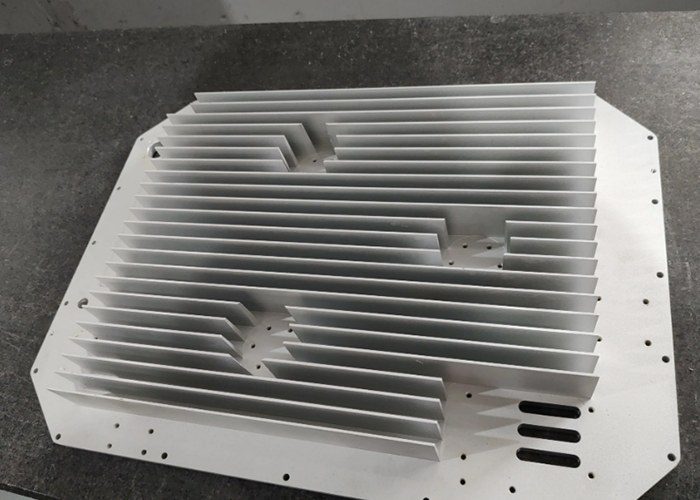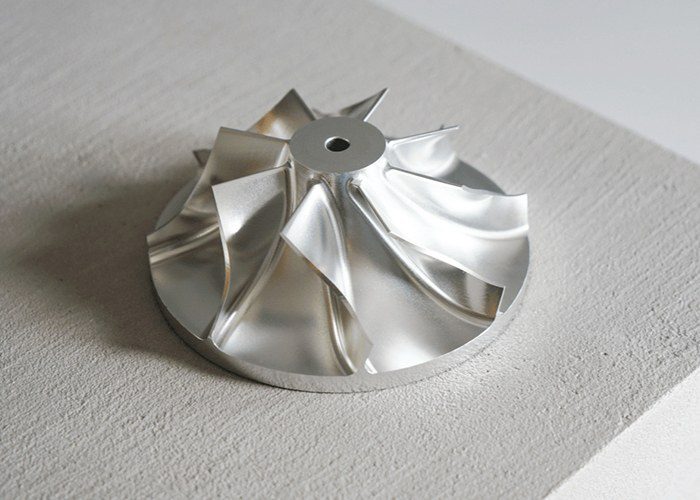
In the intricate ecosystem of modern manufacturing, few elements are as critical yet often overlooked as CNC machined spare parts. These precision-engineered components serve as the lifeblood of industrial machinery, vehicles, medical equipment, and aerospace systems, ensuring that operations run smoothly, safely, and efficiently. As global industries face increasing demands for precision, customization, and rapid response times, the role of CNC machined spare parts has evolved from simple replacements to sophisticated solutions that drive innovation and operational excellence.
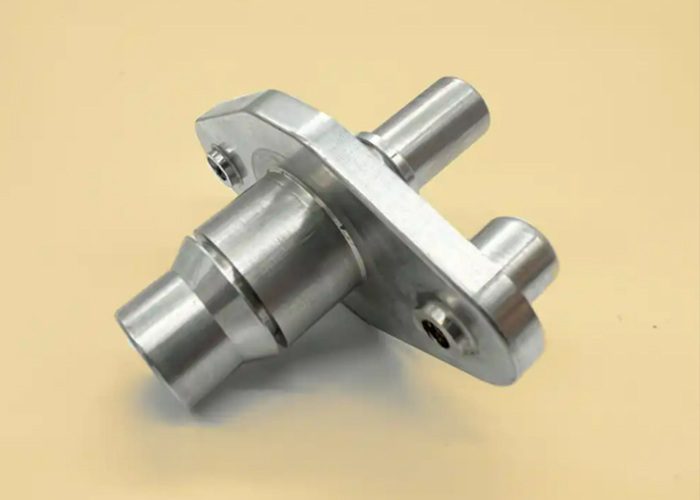
The Essence of CNC Machined Spare Parts
CNC machined spare parts are replacement or backup components crafted with exceptional precision using computer numerical control technology. Unlike mass-produced generic parts, these components are manufactured through subtractive processes where computer-controlled cutting tools remove material from a solid workpiece to achieve exact specifications. This approach encompasses various techniques, including CNC milling, turning, grinding, and electrical discharge machining, each suited to different geometries and material requirements.
The precision achieved through CNC machining is remarkable. Modern five-axis machining centers can achieve tolerances as tight as ±0.001mm, enabling the production of components with complex contours and free-form surfaces in a single setup. This level of accuracy is not merely a technical achievement—it is a fundamental requirement for industries where even microscopic deviations can have catastrophic consequences.
The Growing Global Market
The significance of CNC machined spare parts is reflected in the market’s robust growth trajectory. The global CNC machine tool components market was valued at approximately 61.92 billion yuan in 2025 and is projected to reach 95.04 billion yuan by 2032, representing a compound annual growth rate of 6.5%. The broader spare parts manufacturing market, valued at $547.11 billion in 2025, is expected to grow to $578.57 billion in 2026 and reach $732.59 billion by 2030. The precision parts segment alone is projected to grow at a CAGR of 10% from 2025 to 2033, reaching an estimated $120 billion.
This growth is driven by several converging factors: the aging global vehicle fleet—with over 1.36 billion registered vehicles worldwide and average vehicle ages exceeding 12 years in many markets—the expansion of industrial equipment installed bases, and the increasing adoption of predictive maintenance programs that rely on readily available high-quality spare parts.
Materials and Applications Across Industries
CNC machined spare parts are manufactured from a diverse range of materials, each selected for specific performance requirements. Aluminum alloys such as 6061-T6 and 7075 are favored for their excellent strength-to-weight ratio and machinability, making them ideal for automotive and aerospace applications. Stainless steel offers superior corrosion resistance and durability for components exposed to harsh environments or hygienic requirements. Titanium, though more challenging to machine, provides exceptional strength and biocompatibility, making it indispensable for medical implants and high-performance aerospace components. Engineering plastics like POM and Nylon are increasingly used for applications requiring low friction, high wear resistance, and quiet operation.
The applications span virtually every industrial sector. In automotive manufacturing, CNC machining covers 94% of non-standard automotive components, ranging from tiny sensor brackets to large transmission housings. The electric vehicle revolution has further accelerated demand, with over 68% of new energy vehicle core structural components now manufactured via CNC machining—a 22% increase from 2023 levels. In aerospace, the push for fuel efficiency has driven demand for lightweight components made from advanced materials, with five-axis CNC systems enabling the production of complex geometries such as turbine blades with internal cooling channels. The medical industry relies on CNC machining for patient-specific implants, surgical instruments, and diagnostic equipment components requiring micron-level accuracy and biocompatibility.
The Quality Imperative
Quality control in CNC machined spare parts production is rigorous and multi-layered. Leading manufacturers implement three-stage quality control processes using coordinate measuring machines (CMMs) and vision measuring machines (VMMs). CMMs remain the gold standard for tactile inspection of complex geometries, capable of measuring with sub-micron accuracy by comparing point clouds to CAD models. Compliance with IATF 16949 is mandatory for automotive production, mandating end-to-end traceability across all manufacturing processes. This systematic approach to quality assurance—from incoming material inspection through in-process monitoring to final 100% inspection—ensures that every part meets exacting standards before delivery.
The Shift Toward Customization and On-Demand Production
Perhaps the most transformative trend in the CNC spare parts industry is the shift from mass production to customized, on-demand manufacturing. The global automotive aftermarket, valued at over $676 billion in 2026, has created unprecedented demand for small-batch, custom, and discontinued parts. Traditional OEM supply chains, often fragile due to raw material shortages and geopolitical disruptions, are increasingly unable to meet this demand. CNC job shops, with their ability to produce runs of 20, 50, or 200 pieces economically, are filling this gap. The on-demand CNC machining market, valued at $4.2 billion in 2024, is forecast to reach $11.9 billion by 2033.
Technological Advancements Shaping the Future
The future of CNC machined spare parts is being shaped by several technological innovations. Hybrid manufacturing, combining 3D printing with CNC machining, enables the production of parts with internal lattice structures for weight reduction while achieving the required surface finish and dimensional accuracy. The integration of Industry 4.0 technologies—IoT-enabled machines capable of monitoring tool wear, predicting maintenance needs, and adjusting parameters in real time—is transforming CNC machining into a connected, data-driven process. Advanced CAD/CAM software allows engineers to simulate machining processes before production begins, identifying potential issues such as tool collisions or excessive material removal.
Conclusion
CNC machined spare parts represent far more than simple replacements for worn components. They are precision instruments that enable industries to maintain operational continuity, embrace innovation, and meet the evolving demands of a rapidly changing world. As global supply chains become more complex and the need for customization grows, the strategic importance of CNC machined spare parts will only increase. For manufacturers, procurement professionals, and engineers alike, understanding the capabilities, quality standards, and market trends of this essential industry is not just beneficial—it is imperative for success in the modern manufacturing landscape.