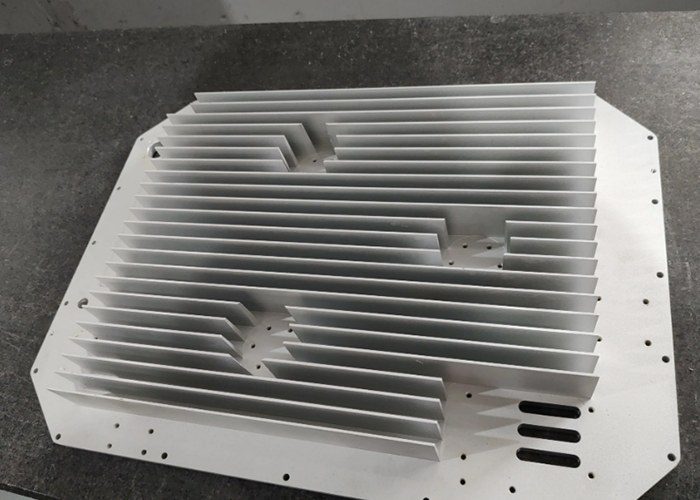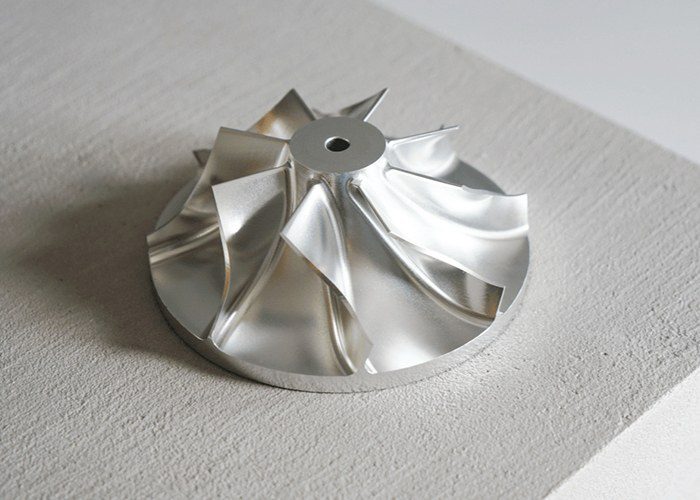
In today’s rapidly evolving industrial landscape, Original Equipment Manufacturers (OEMs) across the globe rely on precision machining to bring their product designs to life. OEM CNC machining parts represent a critical intersection of design ownership, manufacturing excellence, and supply chain efficiency. As the global CNC machining market continues its robust growth—valued at USD 25.99 billion in 2023 and projected to reach USD 40.61 billion by 2030—understanding the value proposition of OEM CNC machined components has never been more important for businesses seeking competitive advantage.
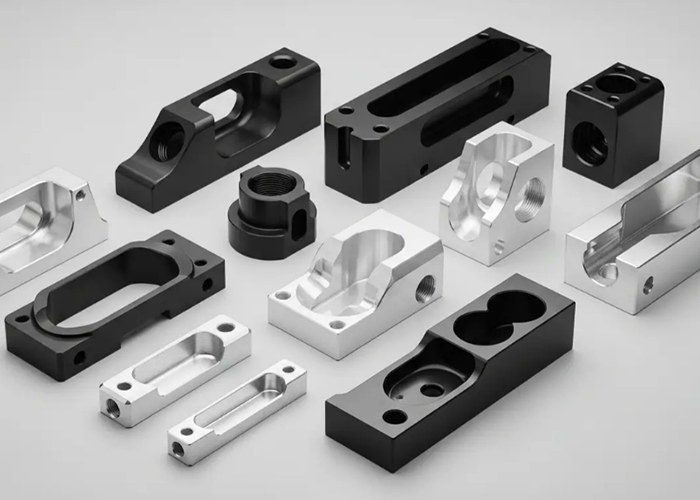
Understanding the OEM CNC Machining Model
OEM CNC machining means manufacturing parts according to a buyer’s precise design specifications. In this model, the buyer retains full intellectual property ownership, provides detailed drawings or CAD files, and the manufacturer focuses exclusively on precision production. This differs from the ODM (Original Design Manufacturer) model, where the supplier contributes design capabilities alongside production. The OEM approach is particularly common for industrial components, aerospace parts, and automotive applications where buyers maintain established engineering teams.
OEM manufacturing offers a low-barrier entry point, sparing manufacturers the costs of extensive design work and expensive initial tooling. However, it demands operational excellence in production efficiency, quality consistency, and responsive communication. For buyers, this model offers the distinct advantage of maintaining complete control over their intellectual property while leveraging the specialized capabilities of dedicated CNC machining facilities.
The Precision Advantage
At the heart of OEM CNC machining lies an unparalleled capacity for precision. Computer-controlled machines execute precise movements and cuts with remarkable repeatability. Leading CNC machining operations routinely achieve position tolerance accuracy of 8 microns and position repeatability of 4 microns. In applications where precision is paramount—aerospace engineering being a prime example—standard tolerances hold at ±0.005mm, with ultra-precision finishing further tightening this threshold to ±0.002mm.
This level of accuracy directly influences how components perform under real-world conditions. As industry experts note, CNC machining tolerance shapes how components behave under vibration, pressure, or repeated mechanical cycling—directly impacting fit, function, safety, and long-term durability. For OEMs whose reputations depend on product reliability, this precision is non-negotiable.
Why OEMs Choose to Outsource CNC Machining
While some manufacturers produce parts in-house, many global brands rely heavily on dedicated CNC shops for a compelling set of reasons. Producing machined parts at scale requires significant investment in production floor space, complex tooling, fixtures, equipment, quality control protocols, and skilled labor. Dedicated CNC facilities also maintain established relationships with vendors for custom tooling design and partnerships with foundries for raw materials and castings.
Speed-to-market is another critical factor. Custom CNC facilities focus exclusively on producing precision parts, developing robust processes that streamline production. Their skilled engineering teams know how to tackle highly complex projects efficiently, accelerating production without compromising quality. This expertise becomes particularly valuable when OEMs face production bottlenecks or tight deadlines.
The trend toward single-source manufacturing solutions further amplifies these benefits. By consolidating all parts manufacturing stages under one roof—from prototyping and CNC machining to final assembly and quality control—OEMs can streamline production, reduce vendor handoffs, and maintain tighter control over quality. This integrated approach eliminates logistical complexities and administrative overhead while ensuring consistent quality and timely delivery.
Material Versatility and Surface Finishing
OEM CNC machining readily processes a vast and diverse array of materials. Aluminum alloys, stainless steel, brass, titanium, and engineering plastics are commonly machined with full traceability. Advanced materials like PEEK and ULTEM—engineering plastics known for their strength, heat resistance, and chemical durability—are increasingly specified for high-performance applications.
Surface treatments add another dimension of capability. In-house finishing operations such as anodizing, electroless nickel plating, sandblasting, and mirror polishing are routinely available. These treatments not only enhance part aesthetics and corrosion resistance but also reduce lead times and quality variability by eliminating the need for external finishing vendors.
Quality Assurance as a Foundation
For OEM CNC machining, quality control is not an afterthought—it is woven into every stage of production. Reputable CNC machining providers maintain certifications including ISO 9001:2015, IATF 16949:2016 for automotive applications, and AS9100 for aerospace requirements.
Quality control integrates multiple verification layers: in-process probing, statistical process control, and coordinate measuring machine (CMM) verification for critical dimensions. First-article inspections and periodic dimensional checks ensure production output remains aligned with engineering specifications. Advanced facilities operate climate-controlled inspection rooms equipped with CMM, laser scanning, and optical comparators. Many suppliers also offer free DFM (Design for Manufacturability) feedback, optimizing part designs for manufacturability before production begins.
Applications Across Critical Industries
The versatility of OEM CNC machining parts spans virtually every major industrial sector. In aerospace, high-precision components for aircraft and spacecraft demand the tightest tolerances and most rigorous quality standards. The automotive industry relies on CNC machining for engine parts, transmission components, and custom fittings where precision directly affects vehicle performance and safety. Medical device manufacturers depend on CNC machining for surgical instruments, implants, and medical device components—applications where precision can be a matter of life and death. Electronics, robotics, new energy vehicles, telecommunications, and industrial machinery all benefit from the accuracy and repeatability that CNC machining provides.
The Strategic Value of OEM CNC Partnerships
Ultimately, OEM CNC machining parts represent more than just components—they embody a strategic partnership between design owners and manufacturing experts. As manufacturing continues to pivot toward agile, precision-driven supply chains, OEMs increasingly seek partners who can act as extensions of their own teams. The right CNC machining partner alleviates production bottlenecks, improves speed to market, and delivers the highest quality machined parts possible.
In an era where production delays and part failures carry enormous costs, the reliability, precision, and efficiency of OEM CNC machining parts have become indispensable. Whether supporting the next generation of electric vehicles, life-saving medical devices, or aerospace innovations, OEM CNC machining continues to push the boundaries of what precision manufacturing can achieve.