
Metal processing, also known as metal working, is the sophisticated art and science of transforming raw metallic materials into finished products, components, and structures. It encompasses a vast array of techniques used to manipulate the shape, properties, and surface characteristics of metals like steel, aluminum, copper, and titanium. From the massive girders that form the skeletons of our cities to the microscopic circuits powering our smartphones, metal processing is the invisible hand that has shaped human civilization for millennia and continues to drive modern industry.
A Legacy Forged in Fire
The history of metal processing is, in many ways, the history of human progress. Our distant ancestors began their journey with stone, but the discovery that certain rocks could yield metal marked a pivotal turning point. Archaeological evidence reveals that as early as around 6,000 years ago, societies were already engaged in primitive smelting techniques to extract copper.
. This led to the Bronze Age, where the deliberate alloying of copper and tin created a material hard enough to create more effective tools and weapons. Later, the mastery of iron and the development of steel, with China leading the way in iron smelting as early as 500 BCE, revolutionized agriculture and warfare. The 18th century’s Industrial Revolution was built on the backbone of modern steel production, and today, the digital age relies on the ultra-precise processing of specialized alloys for everything from jet engines to medical implants.
The Fundamental Techniques of Transformation
Modern metal processing is a broad discipline, but its techniques can be broadly categorized by how they manipulate the material.
Shaping and Forming techniques use force to deform metal into a desired shape. This category includes rolling, which passes metal through rollers to create sheets and plates; forging, which hammers or presses hot metal into a specific shape for superior strength; and bending and stamping, which are essential for creating body panels for cars and enclosures for electronics.
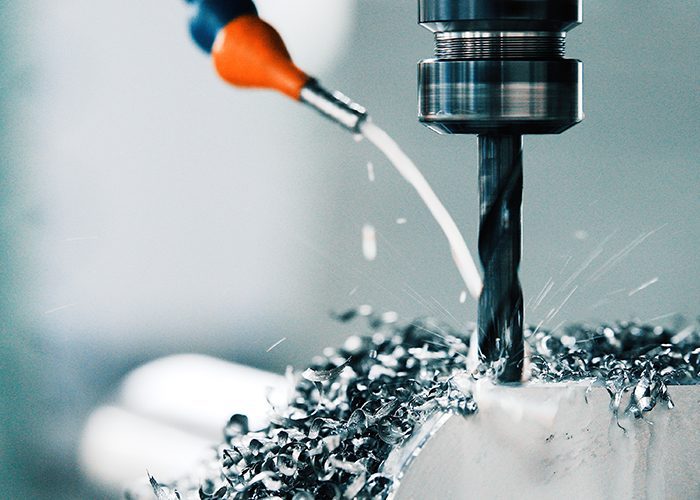
Cutting and Machining are subtractive processes that remove material to achieve the desired shape and precision. While traditional methods like sawing and shearing are still used, modern industry relies heavily on computer-controlled machining. CNC (Computer Numerical Control) milling, turning, and drilling can achieve tolerances as tight as 0.025mm, creating complex components with repeatable accuracy. Advanced thermal techniques like laser and plasma cutting use intense heat to slice through metal with incredible speed and precision.
Joining and Assembly processes are used to combine individual components. Welding, in its various forms such as MIG, TIG, and spot welding, remains the most common method for creating permanent, high-strength bonds in industries like construction and shipbuilding. Mechanical fastening with bolts or rivets offers a different approach for assemblies that may need future disassembly.
Casting and Molding involve pouring molten metal into a shaped mold, where it solidifies. This method is ideal for creating complex geometries, from engine blocks to intricate artistic sculptures. In contrast, powder metallurgy compacts and sinters metal powders to form near-net-shape parts, minimizing waste.
Finally, Finishing and Surface Treatment processes are crucial for enhancing a product’s durability and appearance. Techniques like polishing, anodizing, galvanizing, and coating protect against corrosion and wear, ensuring that a metal part can withstand its intended environment.
The Modern Frontier: Precision, Digitalization, and Sustainability
While the core principles remain, the field of metal processing is undergoing a profound transformation driven by technological innovation.
One of the most revolutionary advancements is Additive Manufacturing (AM), or 3D printing. Unlike traditional subtractive methods, AM builds parts layer by layer from metal powder or wire, guided by a digital model. This allows for the creation of highly complex, lightweight geometries with internal channels that are impossible to produce through casting or machining. This is a game-changer for aerospace, biomedical, and high-performance automotive applications, drastically reducing material waste compared to traditional methods.
Another major trend is the integration of digital technologies like robotics, AI, and machine learning. Automated guided vehicles and robotic arms are now commonplace in large-scale production, performing tasks like welding and material handling with superhuman speed and consistency. These “smart factories” use real-time data to monitor and optimize processes, predict maintenance needs, and ensure unparalleled quality control.
Perhaps the most critical driver of innovation today is the push for sustainability. Traditional metal processing, particularly the production of thin strips and foils, is energy-intensive and has a significant carbon footprint. In response, groundbreaking innovations are emerging. Consider, for example, the Metpeel process developed at Texas A&M University: it “peels” a thin layer of metal from a billet in just one low-temperature step. This method can reduce energy consumption by up to 90% compared to conventional multi-stage hot rolling and can utilize recycled scrap metal to produce high-quality foils for applications like electric vehicle batteries. This represents a fundamental shift towards a more circular and environmentally responsible approach to manufacturing.
In conclusion, metal processing is far more than a collection of industrial techniques; it is the foundational technology that builds our world. From the ancient forge to the digital factory floor, it has continuously evolved to meet humanity’s needs. As we look to the future, the convergence of precision, digitalization, and a deep commitment to sustainability promises to usher in a new era of innovation, where the materials that shape our world are created with greater efficiency, complexity, and care for the planet than ever before.


