Metal parts manufacturing is the unsung hero of the modern world. It is the foundational sector that transforms raw materials like steel, aluminum, and titanium into the components that build our cities, power our vehicles, and enable our technology. From the tiny screws in a smartphone to the massive turbine blades in a jet engine, this industry is defined by its diversity, precision, and constant evolution. In 2026, the sector stands at a fascinating intersection of traditional craftsmanship and cutting-edge digital innovation, navigating a market valued at hundreds of billions of dollars while facing pressures from supply chains, sustainability demands, and labor shortages.
The Scope of the Industry
At its core, metal parts manufacturing involves a series of processes—cutting, forming, joining, and finishing—that add significant value to basic metals. The industry is vast and fragmented. In the United States alone, the sector encompasses over 49,000 companies and nearly 1.5 million employees, contributing to a market size of approximately $443.2 billion. These businesses range from large integrated manufacturers to specialized “job shops” that focus on particular processes like machining or stamping for specific market segments.
Core Manufacturing Processes
The method chosen to create a metal part depends entirely on its intended use, complexity, and volume. The primary technologies can be broken down into three categories: subtractive, formative, and additive.
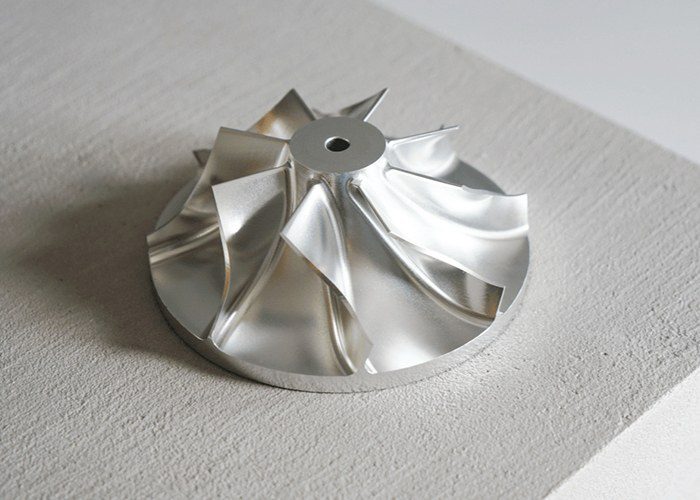
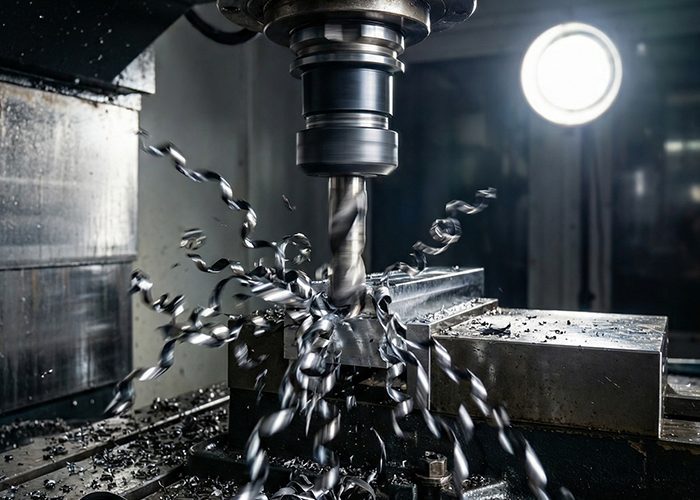
Subtractive manufacturing, primarily CNC (Computer Numerical Control) machining, remains the workhorse of the industry. This subtractive manufacturing process achieves the desired shape by removing material from a solid block. CNC milling uses rotating spindles to cut parts, while CNC turning spins the workpiece against a stationary tool to create cylindrical features. Modern multi-axis machines can create incredibly complex geometries with tight tolerances, making them ideal for aerospace, medical, and automotive applications. The precision of CNC machining is measured in microns, ensuring that every part from a production run is identical to the last.
Formative processes, such as casting, forging, and extrusion, shape metal without removing material. Metal casting, one of the oldest manufacturing methods, involves pouring molten metal into a mold. While sand casting is excellent for large, simple parts, die casting uses high pressure to force molten metal into steel molds, producing parts with excellent surface finishes and dimensional accuracy at high volumes. Extrusion, on the other hand, pushes heated metal through a die to create long, continuous profiles like window frames or railings, offering tooling costs significantly lower than other methods.
The most transformative trend in recent years is the rise of additive manufacturing (AM), or metal 3D printing. Technologies like Laser Powder Bed Fusion (LPBF) are moving beyond prototyping to end-use production. By building parts layer by layer from metal powder, AM allows for design freedoms impossible with traditional methods—think complex internal cooling channels in turbine blades or lightweight lattice structures for medical implants. While not yet a replacement for high-volume production, it is a strategic tool for creating high-value, complex parts and enabling on-demand, decentralized manufacturing.
Key End-Use Industries
Metal parts are the skeleton and muscles of the global economy. The automotive industry is a massive consumer, though its needs are shifting. While a traditional vehicle contains significant amounts of steel, the transition to electric vehicles (EVs) is driving demand for lightweight aluminum components and specialty metals for batteries and powertrains. In aerospace and defense, the requirements are for high-performance alloys like titanium and nickel-based superalloys that can withstand extreme stresses and temperatures. Here, reliability is paramount, and additive manufacturing is increasingly used for both critical and non-critical components to reduce weight and consolidate part counts.
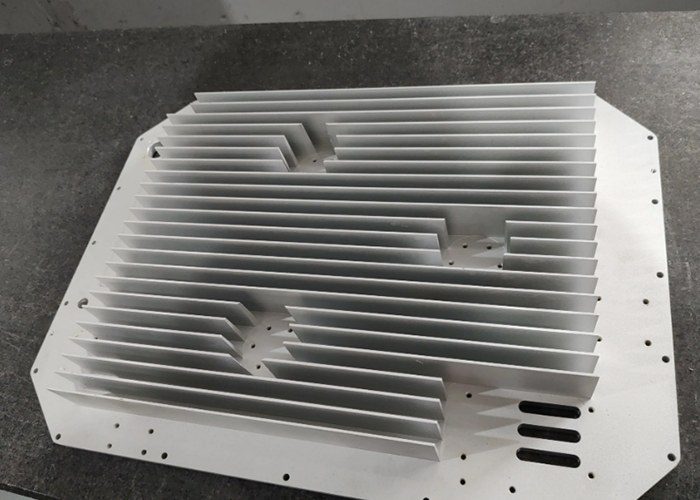
The construction sector relies on fabricated metal for structural beams, roofing, and architectural elements, with global infrastructure investments fueling steady demand. Meanwhile, the electronics industry depends on precision metal parts for device casings, heat sinks, and the intricate connectors inside our computers and phones.
Current Trends and Future Outlook
The metal parts manufacturing industry is navigating a complex landscape. One of the most significant drivers is sustainability. Metal production is energy-intensive, accounting for a notable percentage of global industrial emissions. This has accelerated the push for green steel and circular economy initiatives, with a growing emphasis on recycling. Advanced sorting technologies now enable higher purity in recovered metals, making secondary materials viable for premium applications.
Economically, the sector faces headwinds from volatile raw material prices and the lingering effects of tariffs, which can create uncertainty in supply chains and squeeze profit margins. Simultaneously, a shortage of skilled labor—from machinists to metallurgical engineers—is pushing companies toward greater automation and the adoption of Industry 4.0 principles. AI and IoT are being integrated into factories to optimize processes, predict maintenance, and reduce waste.
Looking forward, the industry is moving toward a hybrid model. Traditional methods like casting and machining will not disappear. Instead, they will be complemented by additive processes, creating a more flexible and resilient manufacturing ecosystem. The manufacturers that thrive will be those that can combine technical expertise with digital agility, offering not just parts, but engineered solutions that meet the demands of a rapidly changing world.