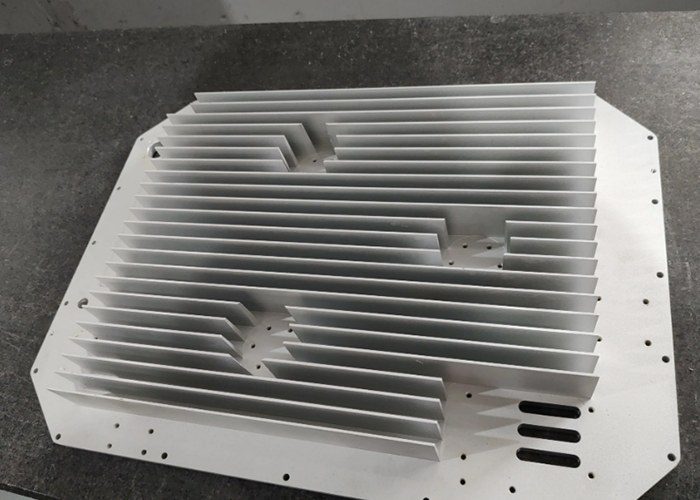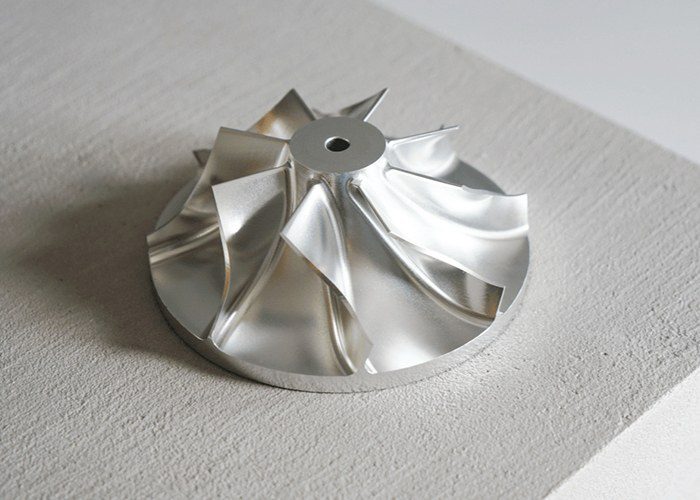
In the intricate ecosystem of modern manufacturing, precision and customization are paramount. While standardized components form the backbone of mass production, it is the realm of non-standard parts that drives innovation, solves unique engineering challenges, and enables the functionality of complex machinery. Among these, Non-Standard Milling Parts represent a critical category. These are components manufactured through milling processes that deviate from conventional sizes, shapes, or specifications to meet specific, often complex, customer requirements.
To understand the significance of non-standard milling parts, one must first appreciate the process that creates them: milling. Milling is a precision machining process that removes material from a workpiece using rotating cutters. While standard milling might produce common parts like basic brackets or generic flanges, non-standard milling ventures into the bespoke. It involves creating components that are not found in any supplier’s catalog—parts designed from scratch to fulfill a unique function within a specialized assembly.
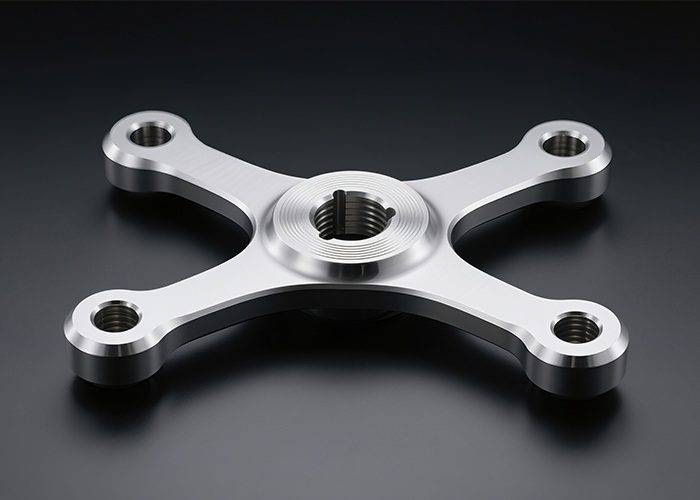
The genesis of a non-standard milling part lies in problem-solving. Engineers often face design constraints where an off-the-shelf component simply will not suffice. Perhaps a gearbox requires a housing with an unusual mounting pattern, or a piece of aerospace equipment needs a bracket with a specific weight-to-strength ratio that cannot be achieved with standard extrusions. In these instances, the design phase becomes a collaborative effort between engineers and machinists. Using Computer-Aided Design (CAD) software, a 3D model of the required part is created. This digital blueprint captures every intricate detail, from complex curves and precise hole placements to tight tolerances that are measured in microns. This design is then translated into a language that Computer Numerical Control (CNC) milling machines can understand.
The manufacturing process of these parts is where art meets science. CNC milling machines, guided by the digital instructions, take a solid block of material—be it aluminum, stainless steel, titanium, or engineering plastics—and meticulously carve away the excess. For non-standard parts, this often requires multi-axis machining. While a standard 3-axis mill can handle simple geometries, non-standard components frequently feature undercuts, angled features, and complex contours that demand 4 or 5-axis machines. These advanced tools can rotate the workpiece or the cutting head, allowing the tool to approach the material from virtually any direction. This capability is essential for creating the sophisticated, one-off components required in industries like motorsports, medical technology, and defense.
One of the primary drivers for the demand for non-standard milling parts is the need for rapid prototyping and iteration. In the development of new products, companies need functional prototypes that accurately represent the final product. These prototypes are, by definition, non-standard. They allow designers to test form, fit, and function before committing to expensive mass-production tooling. Milling provides the perfect solution here, offering a way to produce a small number of high-fidelity parts directly from CAD data without the need for specialized molds or dies. This iterative process, enabled by non-standard machining, compresses development timelines and accelerates the pace of innovation.
Material selection for non-standard milling is another layer of complexity and expertise. Unlike standard parts, which are typically made from common, easily sourced materials, non-standard parts can require exotic alloys or composites with specific properties. A part destined for a vacuum chamber might need to be made from a non-outgassing material. A component in a high-temperature environment might require a superalloy like Inconel. The machinist must not only be skilled in cutting these difficult materials but also understand their behaviors—how they expand with heat, how they react to stress, and how they interact with cutting fluids.
Quality control for non-standard parts is rigorous and non-negotiable. Since these components are often critical to the function of a larger system, their integrity must be flawless. After machining, parts undergo a series of inspections. Coordinate Measuring Machines (CMMs) use precision probes to check that every dimension matches the CAD model within the specified tolerances. Surface finish is scrutinized. In some cases, non-destructive testing methods like X-ray or ultrasonic inspection are used to ensure the internal integrity of the material is sound. This meticulous attention to detail guarantees that the part will perform its intended function reliably, despite its unique nature.
The applications of non-standard milling parts are vast and touch nearly every aspect of modern life. In the medical field, they are used to create custom implants and surgical instruments tailored to a patient’s unique anatomy. In the automotive industry, they appear as one-off parts in prototype electric vehicles or as high-performance components in racing. The aerospace sector relies on them for lightweight structural brackets and complex engine components that must withstand extreme conditions. Even in everyday technology, the machines that produce consumer goods are filled with non-standard wear parts and custom fixtures that keep production lines running.
In conclusion, non-standard milling parts are the unsung heroes of the manufacturing world. They represent the pinnacle of precision engineering, bridging the gap between a designer’s vision and a functional reality. While they may not roll off an assembly line by the thousands, their impact is profound. They enable technological progress, solve unique engineering puzzles, and ensure that when a standard solution is not enough, a custom, perfectly crafted component is always within reach. As technology continues to advance and the demand for personalization and performance grows, the art and science of creating non-standard milling parts will only become more integral to the fabric of innovation.