On a page of his fifteenth-century notebook, Leonardo da Vinci sketched a mechanism that would wait centuries for its full realization—a rolling mill designed to produce uniform lead sheets for stained glass windows. Though likely never built in his lifetime, that drawing represented humanity’s enduring quest to master metal. Today, metal manufacturing encompasses everything from the stainless steel surgical tools saving lives in operating rooms to the titanium alloys hurtling passengers across continents at 35,000 feet. It is an industry that literally builds the modern world.
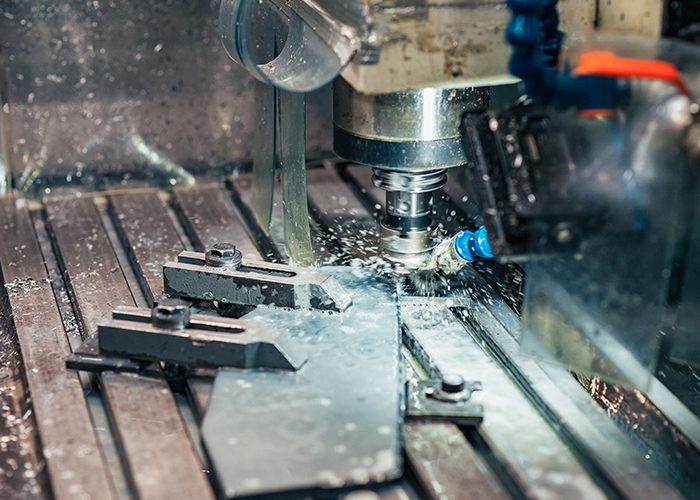
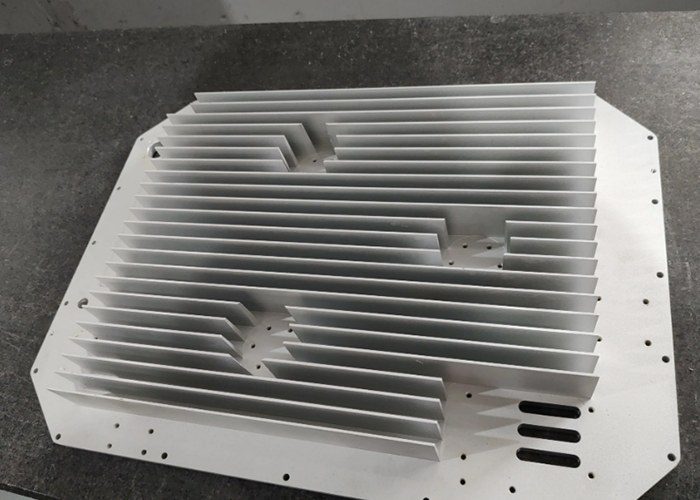
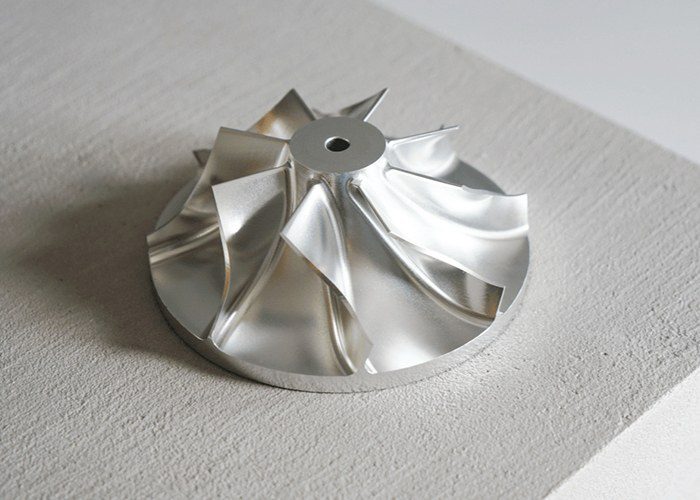
At its core, metal manufacturing—often used interchangeably with metal fabrication—is the process of transforming raw metallic materials into structures and components through techniques such as cutting, bending, welding, forming, and machining. While Leonardo imagined a single machine, modern facilities deploy an arsenal of technologies. Laser and plasma cutters slice through steel with precision measured in microns, while press brakes exert tons of force to bend beams into architectural curves. Machining centers drill, turn, and mill components to tolerances thinner than a human hair. Welding, perhaps the most fundamental joining method, has evolved from forge welding to robotic MIG and TIG systems that can operate autonomously for entire production shifts.
The scale of this activity is staggering. The global metal manufacturing market, valued at over $597 billion in 2024, serves as the backbone of industrial civilization. Construction consumes fabricated metals for structural frameworks, roofing, and infrastructure projects—steel alone accounts for more than half of global production. The automotive sector, undergoing its most radical transformation since Henry Ford’s assembly line, now demands lightweight aluminum and high-strength alloys to extend electric vehicle range. Aerospace manufacturers specify titanium and superalloys that must withstand extreme temperatures while shaving every possible gram.
Yet the industry stands at an inflection point. Three powerful forces are reshaping its future.
First, digital intelligence is penetrating the factory floor. Artificial intelligence algorithms now optimize production schedules, predict equipment failures before they occur, and inspect welds with computer vision that detects flaws invisible to the human eye. CNC machines, integrated with IoT sensors and cloud-based platforms, enable manufacturers to achieve precision and repeatability that handcraft could never match. Metal additive manufacturing—printing complex components layer by layer—has moved from prototyping to production of mission-critical parts for defense, medical implants, and aerospace. Laser powder bed fusion can now produce turbine components with internal cooling channels that traditional casting could never create.
Second, sustainability has moved from corporate social responsibility reports to competitive necessity. Metal production accounts for nearly 10% of global industrial carbon emissions, creating immense pressure to decarbonize. Leading producers are investing in electric arc furnaces powered by renewable energy and exploring hydrogen-based reduction processes. Simultaneously, the circular economy is gaining momentum: recycled steel and aluminum now represent over 40% of supply for key materials, with AI-powered sorting systems achieving purities sufficient for premium applications. The industry is discovering that environmental responsibility and economic efficiency can align when recycling consumes 75% less energy than primary production.
Third, the human element remains both challenge and opportunity. A persistent skills gap threatens productivity across developed economies, with an estimated 2.4 million skilled workers needed by 2030. As veteran craftspeople retire, they take decades of tacit knowledge about material behavior and process nuance. Yet forward-thinking companies are responding through partnerships with technical schools, apprenticeship programs, and investments in training that treat workforce development as strategic imperative rather than overhead.
From da Vinci’s visionary sketch to today’s AI-optimized factories, metal manufacturing has continually reinvented itself. The industry that forged the Industrial Revolution now leads the adoption of Industry 4.0 technologies. It confronts climate change while enabling the renewable energy infrastructure that will power a sustainable future. It faces workforce challenges while creating careers that blend traditional craftsmanship with digital literacy. The crucible of progress remains as hot as ever—and the metal emerging from it will shape whatever comes next.