In the intricate world of engineering and product design, hardware structural components are the unsung heroes that provide the necessary framework for functionality. While microchips and software often steal the spotlight, it is the physical skeleton—the fasteners, frames, and enclosures—that ensures precision, safety, and durability. From the chassis of a supercomputer to the hinge on a smartphone, these components are the tangible elements that transform conceptual diagrams into reliable, real-world assemblies.
Defining the Structural Core
Hardware structural components can be broadly defined as the elementary parts used in the architecture of machines and devices. They are distinct from purely aesthetic parts; their primary function is to bear loads, maintain alignment, and protect sensitive internal elements. In the hierarchy of machine design, these components are the foundation upon which mechanisms and control systems are built. They ensure that when a machine operates—whether it involves high-speed rotation or simple linear movement—the forces generated are contained and managed effectively.
Traditionally, these components fall into two broad categories based on application: those found in heavy machinery and construction, and those miniaturized for electronic devices. However, the fundamental engineering principles governing them remain consistent.
The Chassis and Enclosure: The First Line of Defense
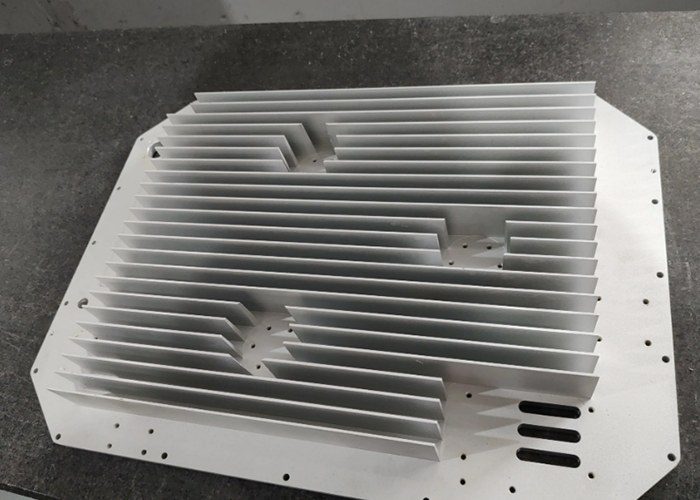
At the macro level, the most visible structural component is the chassis or housing. In computing, the chassis is the metal or high-impact plastic frame that houses all internal elements like the motherboard and disk drives. It is not merely a box; it is an engineered frame designed to reduce radio frequency interference and manage airflow. Similarly, in industrial settings, enclosures must protect sensitive electronics from vibration, dust, and moisture.
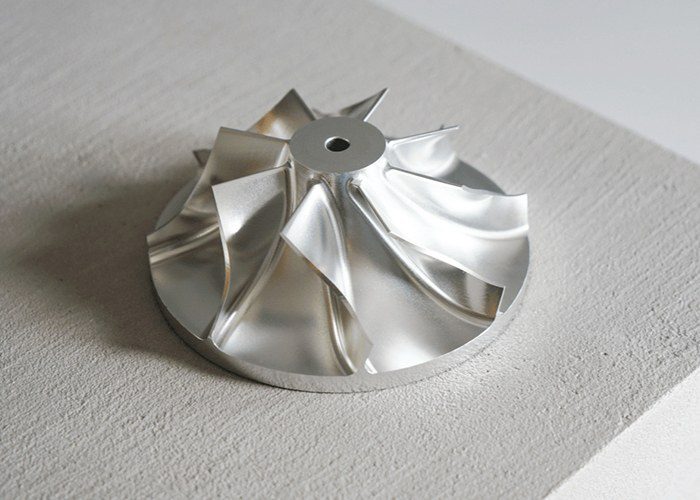
The design of these enclosures relies heavily on material science. Engineers often turn to lightweight metals like aluminum and magnesium, or high-strength steel alloys, to balance weight against structural integrity. In modern applications, such as electric vehicles or aerospace, the chassis must also serve as a heat sink or a protective cage for battery packs, adding layers of complexity to its design.
Fasteners and Joining Elements: The Unsung Heroes of Assembly
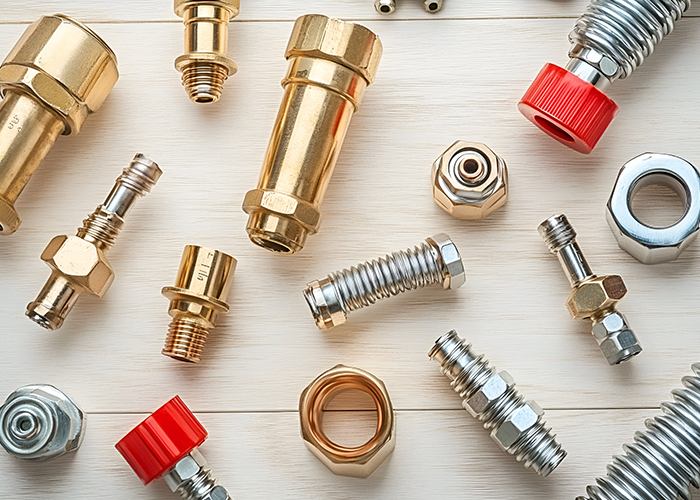
If the chassis is the skeleton, fasteners are the joints that hold it together. This category includes a vast array of items: bolts, nuts, screws, rivets, and washers. The selection of the correct fastener is a critical engineering decision. A bolt used in a bridge construction differs vastly from a micro-screw used to secure a laptop’s casing.
In high-vibration environments like automotive manufacturing, specialized fasteners such as Nyloc nuts or thread-locking compounds are essential to prevent loosening. For electronics, fasteners often require specific characteristics regarding electrical conductivity or magnetic properties to avoid interfering with sensitive components. Furthermore, in thin-walled materials where traditional threads cannot be cut, engineers utilize rivet nuts or threaded inserts to provide durable, load-bearing anchor points.
Mechanical Support and Motion Control
Beyond static joining, structural components often facilitate motion. Bearings, bushings, and slides allow for relative movement between parts while maintaining precise alignment. These elements are crucial in everything from the spindle of a hard disk drive to the robotic arm in a factory.
Similarly, hinges and gas springs are structural components that manage access and ergonomics. In data centers, server racks utilize gas springs to allow heavy lids to be lifted with minimal effort, while precision hinges ensure that doors align perfectly over years of use. These components must be engineered to withstand repeated stress cycles without fatigue, a concept known as durability in mechanical design.
Materials Science and Modern Innovations
The performance of any structural component is intrinsically linked to the materials from which it is made. Traditional materials like steel offer high tensile strength, but they are heavy. This has led to the rise of composites and engineered polymers in sectors like aerospace and consumer electronics.
Modern structural components are increasingly designed with “functional integration” in mind. For instance, a bracket might no longer just support a circuit board; it might also be designed to conduct heat away from a processor or to dampen specific vibrational frequencies that could disrupt performance. Surface treatments are also vital; zinc plating or anodizing provides corrosion resistance, ensuring that a fastener or bracket does not fail due to rust after a few years of exposure to humidity.
The Future of Structural Hardware
As technology trends toward miniaturization and portability, the demand for lighter, stronger, and smarter structural components grows. We are seeing the emergence of “smart fasteners” with integrated sensors capable of monitoring stress and reporting potential failures before they happen. Additive manufacturing (3D printing) is also revolutionizing this space, allowing for the creation of complex, lattice-structured brackets that are both incredibly light and strong—geometries that were impossible to achieve with traditional machining.
Conclusion
Hardware structural components are the foundational elements that bridge the gap between an engineering concept and a physical, functioning reality. From the simple washer that distributes a load to the complex chassis of a satellite, these parts must be meticulously designed and selected. As we push the boundaries of innovation, the evolution of these components—through advanced materials and intelligent design—will continue to be a critical driver of technological progress, ensuring that our devices are not only powerful but also robust, safe, and reliable