The global shift from internal combustion engines to electrified powertrains represents one of the most significant manufacturing transformations since the assembly line. As the automotive industry pivots toward New Energy Vehicles (NEVs)—including Battery Electric Vehicles (BEVs), hybrids, and hydrogen fuel cell systems—the demand for specialized components has skyrocketed. Unlike traditional engine blocks and transmission housings, New Energy Parts require a unique combination of lightweight properties, thermal management, and micron-level precision. At the heart of this manufacturing revolution stands CNC machining.
1. The Component Landscape: What Are “New Energy Parts”?
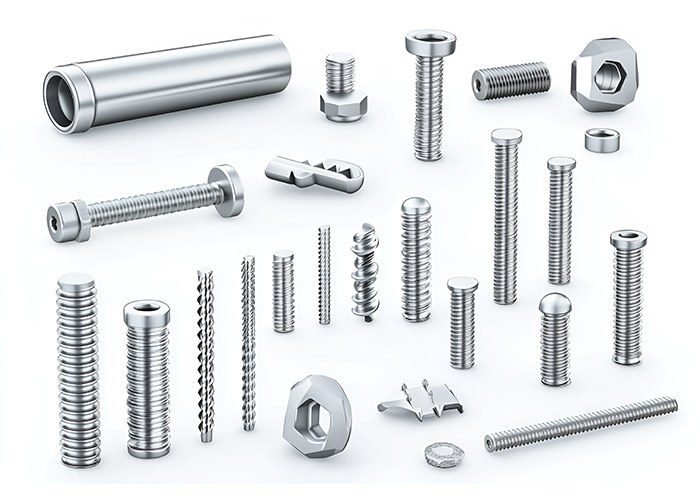
When discussing CNC machining for the new energy sector, we are primarily referring to the “three-electric” system: the battery, the motor, and the electronic control unit.
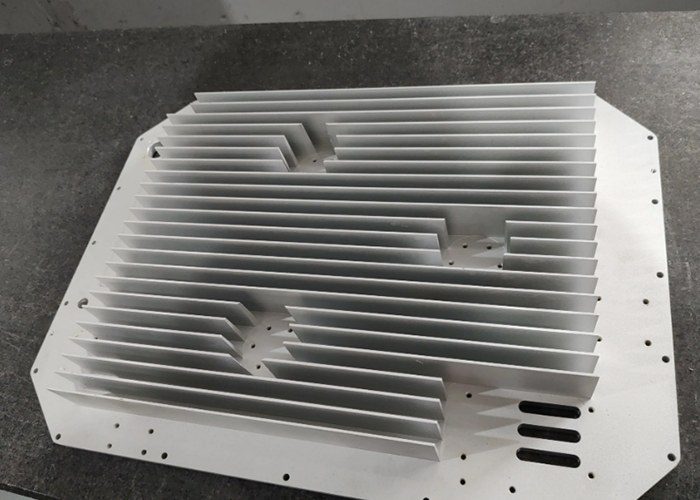
- Battery Enclosures (Trays & Covers): Far from being mere enclosures, modern battery packs are load-bearing safety components that enhance vehicle rigidity. They must protect lithium-ion cells from vibration and impact while integrating complex cooling channels. These enclosures, often machined from large aluminum plates, require exceptional flatness (often ≤ ±0.05 mm) to ensure proper thermal contact with cooling plates.
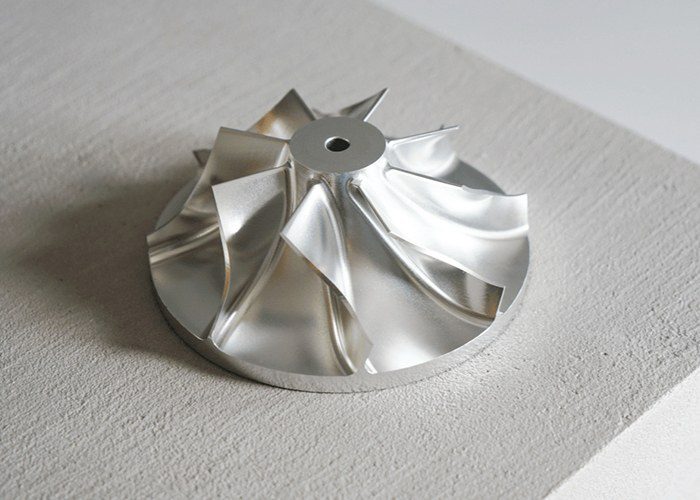
- Motor Housings and End Covers: The housing of an electric motor dictates the alignment of the rotor and stator. Given that electric motors can spin at 20,000 RPM or higher, even a micron-level imbalance can lead to inefficiency or catastrophic failure. Concentricity tolerances for motor housings often need to be ≤ 0.01 mm.
- Inverter and Cooling Components: Power electronics generate immense heat. CNC machining is used to create intricate cold plates and heat sinks, usually from copper or aluminum, featuring micro-channels designed to maximize surface area for liquid cooling.
2. Material Science: The Shift to Lightweight Machining
The transition to electric vehicles has fundamentally altered material selection priorities. In traditional automotive machining, cast iron and steel were dominant due to the stresses of combustion. In the NEV era, weight is the enemy of range.
- Aluminum Alloys (6061, 6082, 7075): Aluminum is the undisputed champion of NEV machining. It offers an excellent strength-to-weight ratio and high thermal conductivity (200–230 W/m·K), making it ideal for battery trays and motor casings that must dissipate heat.
- Copper for Conductivity: Busbars and terminals require the superior electrical conductivity of copper. However, copper is notoriously “gummy” and difficult to machine. It requires specialized tooling and high-pressure coolant to prevent smearing and achieve a clean cut.
- Magnesium and Composites: For extreme lightweighting, manufacturers are turning to magnesium alloys and carbon-fiber composites. These materials present machining challenges—magnesium chips are flammable, and composites require “low-temperature cutting” to prevent delamination.
3. The Precision Imperative: Tolerances in the Micron Age
The phrase “good enough” does not exist in high-voltage applications. New energy parts demand a level of precision that pushes the limits of standard machining centers.
For example, the alignment of a motor shaft directly correlates to the vehicle’s efficiency. If the housing is out of spec, the air gap between the rotor and stator varies, reducing torque and increasing heat. To meet these demands, modern CNC shops employ 4- and 5-axis machining centers capable of holding tolerances in the range of ±0.003 mm to ±0.005 mm.
Furthermore, the sealing capabilities of battery packs rely on precise groove machining. To achieve IP67 or IP68 ratings (protection against dust and water immersion), seal grooves must be machined with consistent depth accuracy (±0.03 mm) to ensure proper O-ring compression.
4. Advanced Manufacturing Technologies
To produce these complex geometries efficiently, the industry is moving beyond simple 3-axis milling.
- 5-Axis Machining: Components like motor housings and battery tray sidewalls feature compound angles and curved surfaces that require 5-axis simultaneous machining. This allows for the completion of complex parts in a single setup, eliminating the tolerance stack-up errors caused by multiple fixture changes.
- Process Integration: Modern machining centers now combine milling, turning, drilling, and even gear hobbing in one workspace. This “complete machining” approach is vital for NEV parts, reducing throughput time and increasing accuracy.
- Automation and Flexibility: With the NEV market evolving rapidly, part designs change frequently. CNC machining offers the flexibility to switch between prototypes and production runs seamlessly. Integration with robotic loading/unloading systems allows for “lights-out” manufacturing, where battery trays can be produced 24/7 with minimal human intervention.
5. Sustainability in Manufacturing
Ironically, the production of “green” vehicles must also be green. CNC machining contributes to sustainability in several ways. Firstly, it produces lower scrap rates compared to casting or forging for complex parts, as material is removed only where necessary. Secondly, the chips (swarf) produced from machining aluminum are highly recyclable, often melted down and reformed into new billets. Lastly, modern high-efficiency machines consume less electricity and utilize intelligent cooling lubricant recycling systems, reducing the overall carbon footprint of the manufacturing process.
Conclusion
As the world transitions toward sustainable transportation, the demand for high-performance batteries and motors will only intensify. CNC machining is not merely a service industry for this transition; it is an enabler. The ability to transform a billet of aluminum into a lightweight, leak-proof, and dimensionally perfect battery tray or motor housing is the foundation upon which the reliability of the next generation of vehicles is built. For manufacturers, investing in multi-axis capabilities, mastering new materials, and adhering to micron-level tolerances is the key to powering the future