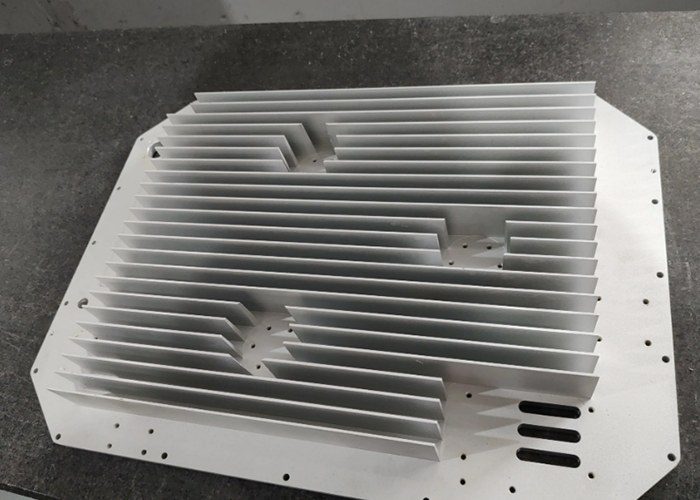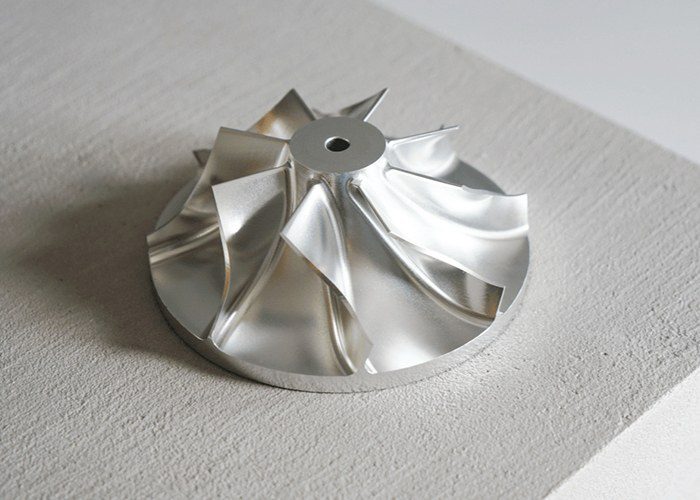
In the landscape of modern manufacturing, few technologies have proven as transformative as Computer Numerical Control (CNC) machining. When applied to metal components, this process represents the pinnacle of precision engineering—a perfect synthesis of digital design and physical fabrication that powers industries ranging from aerospace to medical devices. CNC machining metal components has become the standard by which manufacturing quality is measured, offering unparalleled accuracy, repeatability, and versatility.
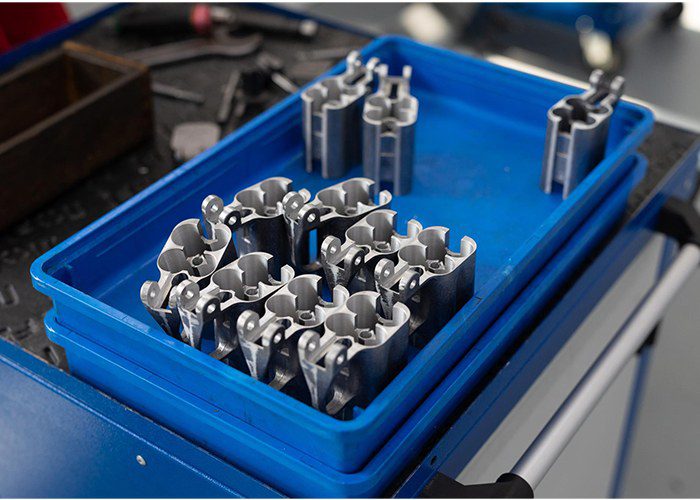
Understanding CNC Machining Technology
CNC machining is a subtractive manufacturing process where computer-controlled machine tools remove material from a solid workpiece to create a desired shape. The “CNC” stands for Computer Numerical Control, meaning that pre-programmed software dictates the movement of machinery and tools. This automation eliminates the variability of manual operation, enabling the production of complex metal parts with tolerances as tight as ±0.0001 inches.
The process begins with a digital blueprint—typically a CAD (Computer-Aided Design) model—which is converted into G-code through CAM (Computer-Aided Manufacturing) software. This code serves as a set of instructions telling the machine exactly where to move, how fast to spin, and how deep to cut. The result is a manufacturing process that can run unattended for hours while maintaining micron-level precision.
Core Machining Processes
Two primary technologies dominate the field of CNC metal machining: milling and turning. CNC milling utilizes rotating multi-point cutting tools to remove material from a stationary workpiece mounted on the machine bed. This process excels at creating complex geometries, flat surfaces, slots, and intricate 3D contours. Modern milling machines operate on multiple axes—typically three, four, or five—with five-axis machining allowing tool access from virtually any direction in a single setup.
CNC turning, performed on lathes, takes the opposite approach: the workpiece rotates at high speed while stationary cutting tools shape it. This method is ideal for producing cylindrical and concentric features such as shafts, bushings, and threaded components. Advanced turn-mill centers now combine both capabilities, allowing parts with rotational symmetry and off-axis features to be completed in a single operation.
Materials and Their Applications
One of the greatest strengths of CNC machining is its compatibility with virtually all engineering metals. Aluminum alloys, particularly 6061 and 7075, remain the most commonly machined materials due to their excellent strength-to-weight ratio, machinability, and corrosion resistance. Stainless steel offers superior strength and corrosion protection for demanding applications, while titanium—though more challenging to machine—provides exceptional performance in aerospace and medical implants.
Exotic alloys such as Inconel, Hastelloy, and duplex steels extend the capabilities of CNC machining into extreme environments. These materials maintain their mechanical properties at high temperatures, making them indispensable for turbine engines, chemical processing equipment, and oil and gas applications. Copper and brass, with their excellent electrical conductivity and natural lubricity, remain favorites for electronic components and fittings.
Industries Transformed by Precision Machining
The aerospace industry perhaps places the highest demands on CNC machining. Critical components—turbine blades, structural brackets, engine mounts—must withstand extreme stresses while maintaining exact dimensions. The consequences of failure are catastrophic, which is why aerospace manufacturers demand tolerances measured in microns and complete material traceability.
Medical device manufacturing represents another domain where CNC machining proves indispensable. Orthopedic implants, surgical instruments, and dental components require biocompatible materials machined to precise specifications. The repeatability of CNC processes ensures that each implant matches its design exactly, contributing to patient safety and successful outcomes.
The automotive industry depends heavily on CNC machining for both prototyping and production. Engine components, transmission parts, suspension systems, and custom performance parts all benefit from the precision and repeatability of CNC processes. As electric vehicles gain prominence, machined metal components for battery housings, motor mounts, and thermal management systems have become increasingly important.
Quality Control and Finishing
Precision machining extends beyond chip removal. After initial cutting, components typically undergo rigorous inspection using coordinate measuring machines (CMM), laser scanners, and surface roughness testers. These tools verify that every dimension falls within specified tolerances, often documented in detailed inspection reports for quality assurance.
Surface finishing adds both functional and aesthetic value. Anodizing enhances aluminum’s natural corrosion resistance while adding color. Passivation improves stainless steel’s protective oxide layer. Electropolishing creates mirror-like surfaces while removing microscopic burrs. Heat treatments adjust mechanical properties, while plating applies sacrificial or decorative coatings.
Future Directions
As manufacturing embraces Industry 4.0, CNC machining continues to evolve. Internet of Things (IoT) connectivity enables real-time monitoring of machine health and process parameters. Predictive analytics anticipate tool wear before it affects part quality. Automation through robotic loading and palletized systems enables lights-out manufacturing, where machines run unattended through nights and weekends.
Multi-material integration represents another frontier. Advanced CNC machines now work with composites and metal matrix composites, creating hybrid components that combine the strength of metals with the unique properties of other materials. On-demand production models reduce inventory costs while enabling greater customization.
Conclusion
CNC machining of metal components stands as a testament to human ingenuity—transforming raw blocks of metal into precisely engineered parts that enable modern civilization. From the aircraft overhead to the medical devices that save lives, machined metal components surround us, often unseen but always essential. As technology advances, CNC machining will undoubtedly continue evolving, but its fundamental promise remains: turning digital designs into physical reality with unmatched precision and reliability.