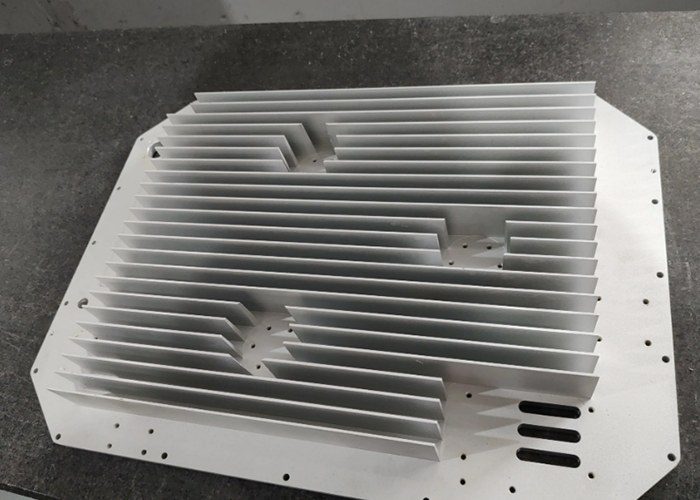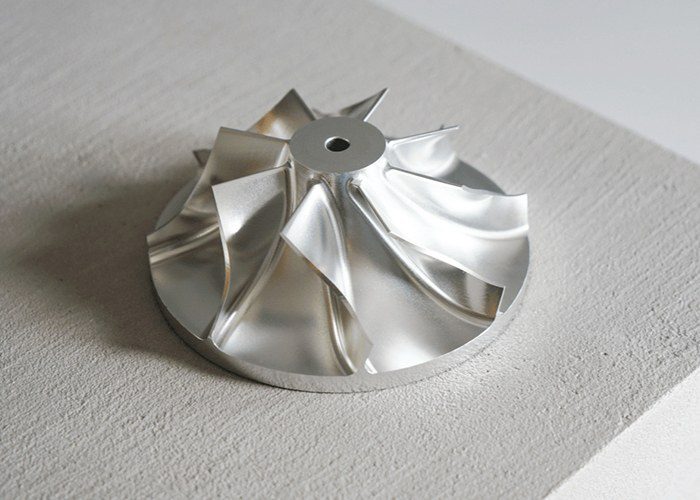
In the vast ecosystem of modern manufacturing, few processes are as foundational yet as dynamic as metal machining. From the engines in our vehicles to the surgical instruments in operating rooms, precision metal components are the silent enablers of contemporary life. At the heart of this production lies the Metal Machining Service—a specialized sector that has evolved far beyond simple cutting and drilling. Today, these services represent a sophisticated blend of mechanical engineering, digital programming, and material science. For engineers, procurement managers, and entrepreneurs, grasping the subtleties of these services is not merely technical knowledge but a strategic business advantage.
What Exactly is a Metal Machining Service?
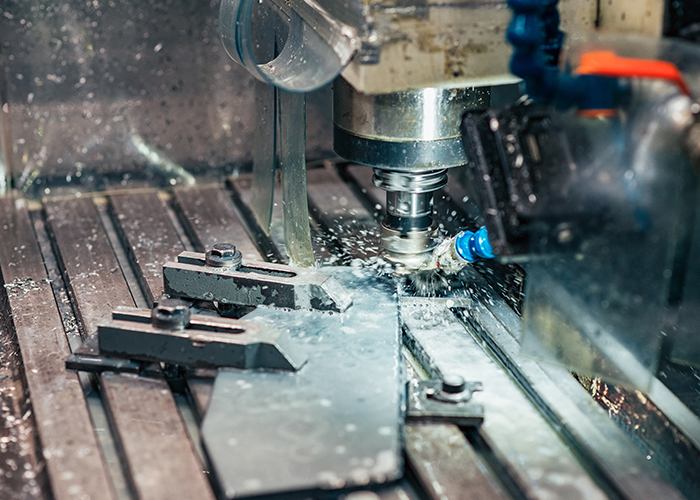
At its core, metal machining is a subtractive manufacturing process. Unlike 3D printing (additive), which builds objects layer by layer, machining starts with a solid block of metal—known as a workpiece or billet—and removes material to achieve a desired geometry. However, a professional Metal Machining Service is not merely a workshop with lathes and mills. It is a capability provider that offers a suite of processes including CNC milling, turning, grinding, drilling, and Electrical Discharge Machining (EDM) .
The true power of modern machining lies in Computer Numerical Control (CNC). By converting CAD (Computer-Aided Design) files into precise G-code instructions, CNC machines can produce complex parts with micron-level repeatability—a fraction of the width of a human hair. This digital integration allows a single service provider to manufacture one prototype or one million identical components with equal precision.
The Key Advantages of Outsourcing to a Specialized Machinist
Why opt for an external metal machining service rather than in-house equipment? The answer boils down to three core pillars: capital efficiency, expertise, and scalability.
- Capital Expenditure (CapEx) Reduction: A full-service machine shop houses millions of dollars in assets: 5-axis milling centers, Swiss-type lathes, surface grinders, and CMM (Coordinate Measuring Machine) inspection tools. For most businesses, purchasing, maintaining, and staffing this equipment is prohibitively expensive. Outsourcing converts fixed costs into variable costs, allowing companies to pay only for the parts they need, when they need them.
- Access to Multi-Material Mastery: Professional machinists are metallurgists in practice. They understand how to manage the thermal stresses of cutting hardened stainless steel (304, 316) , the gummy behavior of aluminum (6061, 7075) , the abrasive nature of titanium (Grade 5) , and the hardness of Inconel superalloys. An amateur machinist might break tools or warp parts; a professional service guarantees structural integrity.
- The “Impossible” Geometries: With advanced multi-axis machining, a professional service can create undercuts, deep cavities, and complex contoured surfaces that are impossible to achieve with manual equipment or standard 3-axis mills.
Quality Control: The Invisible Ingredient
When ordering machined metal parts, the drawing is the law. But tolerances are the judge. A high-quality Metal Machining Service operates with rigorous Quality Management Systems (typically ISO 9001:2015 or AS9100 for aerospace). This involves:
- First Article Inspection (FAI): Checking the very first part off the production line against every dimension on the drawing.
- In-Process Inspection: Using probes inside the CNC machine to check critical dimensions without removing the part.
- Final Inspection: Utilizing vision systems and CMMs to generate detailed inspection reports.
Without these controls, a “cheap” machining quote can become an expensive disaster if parts fail assembly or break under load.
Emerging Trends in Metal Machining Services
The industry is far from static. Three major trends are currently reshaping the landscape:
- Automation & Lights-Out Manufacturing: Robotic arms handling stock loading and unloading allow modern machine shops to run unattended overnight. This “lights-out” machining dramatically reduces lead times and costs, passing savings directly to the client.
- Digital Quoting Platforms: The days of waiting a week for a quote are fading. Many top-tier services now offer instant quoting engines. By uploading a 3D file (STEP or IGES), engineers receive pricing, lead time, and Design for Manufacturability (DFM) feedback within hours.
- Hybrid Manufacturing: Additive-subtractive process integration. A service might 3D print a near-net shape of a rare metal, then finish it on a 5-axis mill. This allows for internal lattice structures and lightweighting that pure machining cannot achieve.
How to Choose the Right Partner
Selecting a Metal Machining Service is a strategic decision. Look beyond the hourly rate. Ask specific questions:
- Do they specialize in your industry? (Medical requires cleanliness and biocompatibility; aerospace requires traceability).
- What is their surface finish capability? (As-machined, bead-blasted, anodized, or passivated?).
- What is their supply chain? (Do they use domestic certified metals or generic imports?).
Conclusion
Metal Machining Service is the silent giant of the industrial world. In an era of AI and software, the physical laws of metal still govern our reality. Whether you are building a drone, a valve, or a robotic actuator, the quality of your machined components dictates the reliability of your final product.
By partnering with a modern, CNC-driven machining service that prioritizes automation and quality control, you are not just buying cut metal—you are buying precision, speed, and peace of mind. In the competitive landscape of manufacturing, that is an edge you cannot afford to ignore.