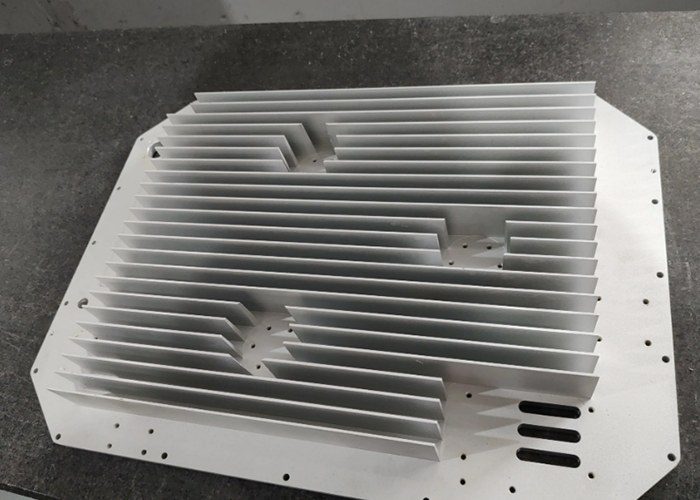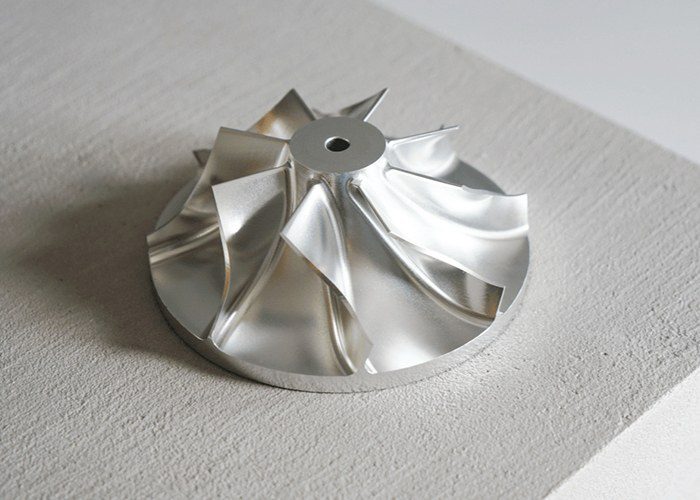
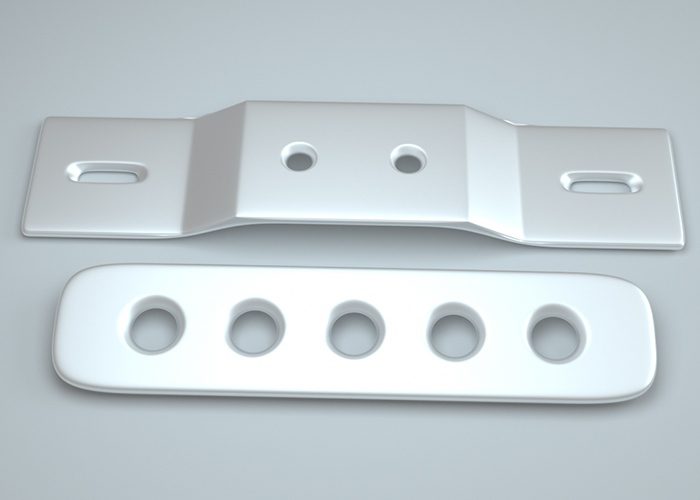
In the vast and intricate landscape of modern manufacturing, few elements are as ubiquitous yet underappreciated as metal machining parts. From the tiny gears inside a wristwatch to the massive structural components of an aircraft engine, these precision-crafted pieces form the literal backbone of industrial civilization. Metal machining—the process of selectively removing material from a workpiece to achieve a desired shape, dimension, and surface finish—has evolved from manual lathes and milling machines into a high-tech symphony of computer numerical control (CNC), automation, and advanced tooling. Understanding the world of metal machined parts is to understand how our material world is built.
The Core Processes: Subtractive Manufacturing at Its Finest
At its heart, metal machining is a subtractive manufacturing method, meaning it starts with a solid block or bar of metal and carves away excess material until only the desired part remains. The three classic machining processes remain the foundation of the industry: turning, milling, and drilling.
Turning is performed on a lathe, where the workpiece rotates at high speed while a stationary cutting tool traverses along its surface. This process is ideal for producing cylindrical or conical parts such as shafts, bushings, and threaded rods. Milling, by contrast, uses a rotating multi-tooth cutter to remove material from a stationary workpiece. It excels at creating flat surfaces, slots, pockets, and complex three-dimensional contours. Drilling is the specialized process of creating round holes, but modern machining centers often combine all three operations—plus tapping, boring, and reaming—into a single setup.
The advent of CNC technology has revolutionized these processes. A CNC machining center can execute dozens of tool changes, rotate the workpiece on multiple axes (3-axis, 4-axis, or even 5-axis), and maintain tolerances as tight as ±0.005 mm (±0.0002 inches) without human intervention. This level of precision is what makes modern devices—from smartphones to jet turbines—functionally possible.
Materials: Choosing the Right Metal for the Job
The performance and longevity of a machined part depend heavily on the material selected. Common choices include:
- Aluminum alloys (e.g., 6061, 7075): Lightweight, corrosion-resistant, and easy to machine. Ideal for aerospace, automotive, and consumer electronics.
- Stainless steel (e.g., 304, 316): High strength, excellent corrosion resistance, and good heat tolerance. Used in medical devices, food processing equipment, and marine components.
- Carbon steel (e.g., 1018, 4140): Cost-effective and extremely strong, but susceptible to rust. Common in construction machinery, automotive drivetrains, and tools.
- Brass and copper: Excellent electrical and thermal conductivity, plus superior machinability. Found in electrical terminals, plumbing fittings, and decorative hardware.
- Titanium alloys: Exceptional strength-to-weight ratio and biocompatibility. Preferred for aerospace fasteners, medical implants, and high-performance automotive parts.
- Inconel and other superalloys: Retain strength at extreme temperatures. Used in jet engines, gas turbines, and nuclear reactors—but notoriously difficult to machine.
Applications Across Industries
The diversity of metal machining parts is staggering. In the automotive industry, machined components include engine blocks, transmission gears, brake calipers, and suspension knuckles. The aerospace sector demands critical flight-safety parts such as landing gear components, turbine blades, and structural brackets where failure is not an option. Medical technology relies on machined implants (hip joints, bone screws, spinal rods) and surgical instruments that must meet stringent cleanliness and biocompatibility standards. Even everyday consumer products—laptop hinges, camera lens barrels, power tool housings—contain multiple machined metal parts.
Quality Control and Surface Finishing
Precision without verification is meaningless. Reputable machine shops employ rigorous quality control protocols, including in-process inspection with probes and post-process verification using coordinate measuring machines (CMMs), optical comparators, and surface roughness testers. Statistical process control (SPC) charts track critical dimensions across production runs to detect drift before defects occur.
Many machined parts also undergo secondary finishing operations. Deburring removes sharp edges. Anodizing, plating, or powder coating provides corrosion resistance and aesthetic appeal. Heat treatment can alter the metallurgical properties, increasing hardness or relieving internal stresses. These finishing touches guarantee both a perfect fit and reliable performance throughout the part’s intended service life.
The Future: Automation, AI, and Hybrid Manufacturing
The metal machining industry is far from static. Today’s smart factories integrate robotic part loading/unloading, automated tool wear monitoring, and real-time adaptive control that adjusts feed rates based on cutting forces. Artificial intelligence algorithms are learning to predict tool life and optimize tool paths for minimal cycle time. Perhaps most exciting is the rise of hybrid manufacturing—combining additive (3D printing) and subtractive (machining) processes in a single machine. A near-net shape can be laser-sintered, then machined to final tolerances, reducing material waste and enabling geometries impossible with traditional methods alone.
Conclusion
Metal machining parts may lack the glamour of software or artificial intelligence, but they are the silent enablers of our technological age. Every rotation of a motor, every lift of an aircraft flap, every precise movement of a surgical robot depends on a machined metal component that was designed, programmed, cut, and inspected with meticulous care. Even as manufacturing digitizes and automates, the fundamental goal endures: transforming a raw block of metal into a part that performs flawlessly, day after day, often under extreme conditions. This is the quiet art and science of metal machining—and it has never been more essential.